The backbone of the Newford production system is growing and utilising high volumes of grass.
With a stocking rate of 2.7LU/ha, the farm needs to produce over 13t DM/ha, with the target in the farm plan to bring about gradual year-on-year improvement and achieve a production figure of 16t DM/ha by 2019.
The success of this target and also achieving a grazing season in excess of 200 days at grass will be dictated by several factors, outlined as follows:
Measuring and budgeting:
Weekly grass measurement and budgeting is critical to making management decisions. It will identify grass deficits or surpluses coming down the line and allow remedial action to be taken to keep on track. Grass measuring will also allow poorly performing paddocks to be identified.
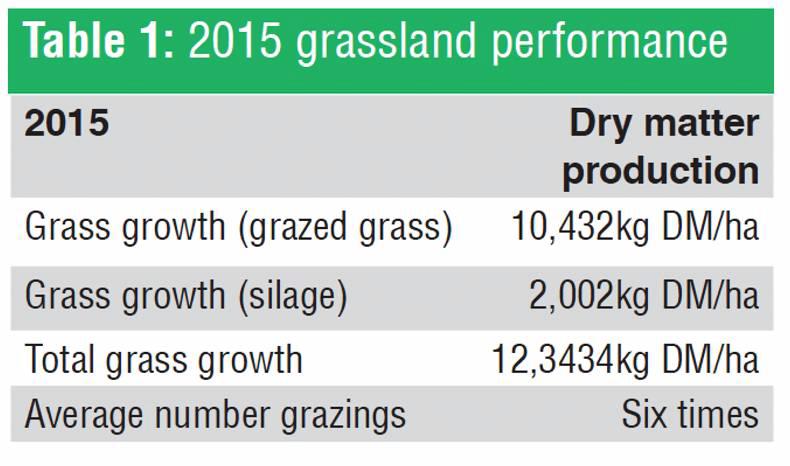
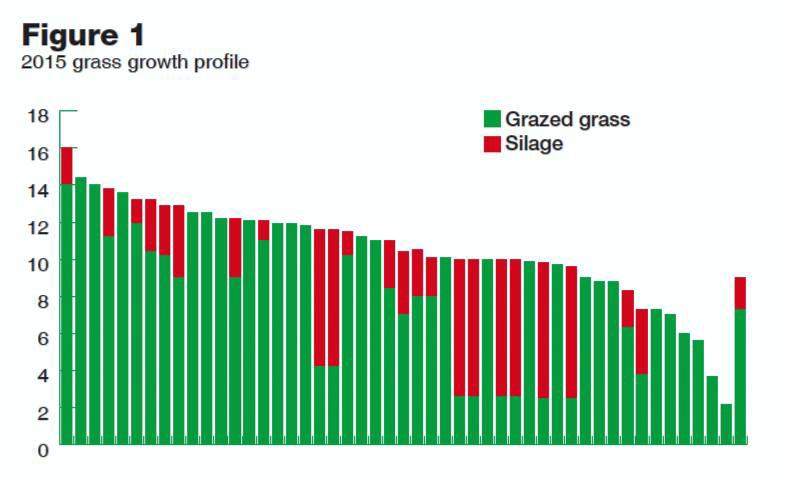
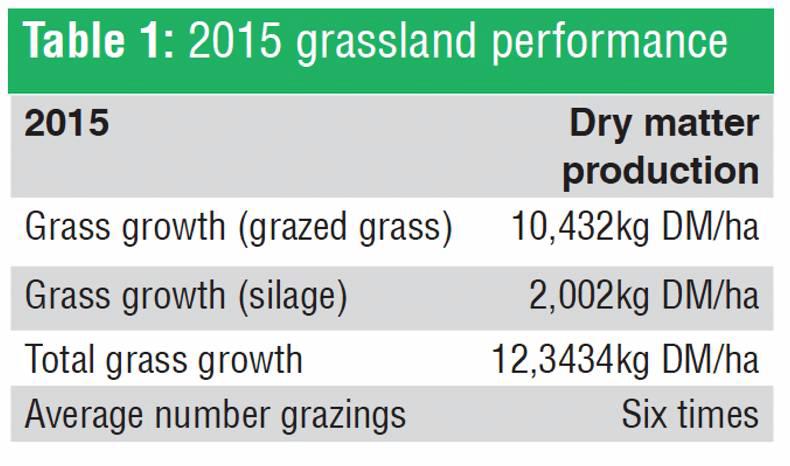
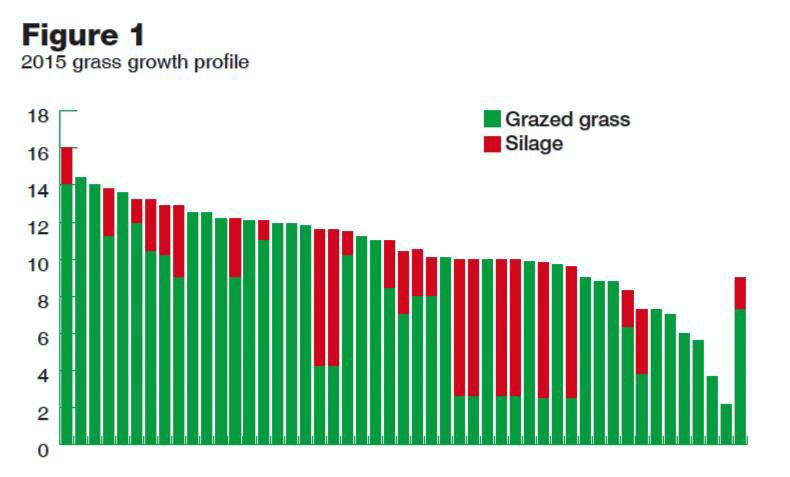
Table 1 shows the average grass growth on Newford Farm in 2015, but as Figure 1 shows, there is massive variation in paddock performance. Identifying these poorer-performing paddocks and increasing their performance will be critical to achieving growth targets set.
Grazing infrastructure:
Grazing infrastructure is essential to achieving high levels of utilisation and growing more grass. The farm has the potential for over 72 grazing divisions. This also facilitates hitting the optimum mid-season grazing height of 10cm to 12cm. Grazing grass at a height of over 12cm will lower utilisation, while grazing at less than 8cm will impact on the volume of grass produced.
Rotation length:
The average rotation length is three weeks, fitting in with the focus of growing grass in three weeks and grazing in three days over the main grazing season. During peak growth (May to June), this will be shortened, with surplus grass taken out of the rotation as baled silage (also limits topping), while in spring and autumn, the rotation planner will be used to balance grass supply with demand.
Soil fertility and fertiliser use:
The three key requirements of soil fertility are having the soil at the optimum pH, phosphorus (P) and potassium (K) levels. Having these correct can be described as having the engine primed, with nitrogen the fuel to drive grass production.
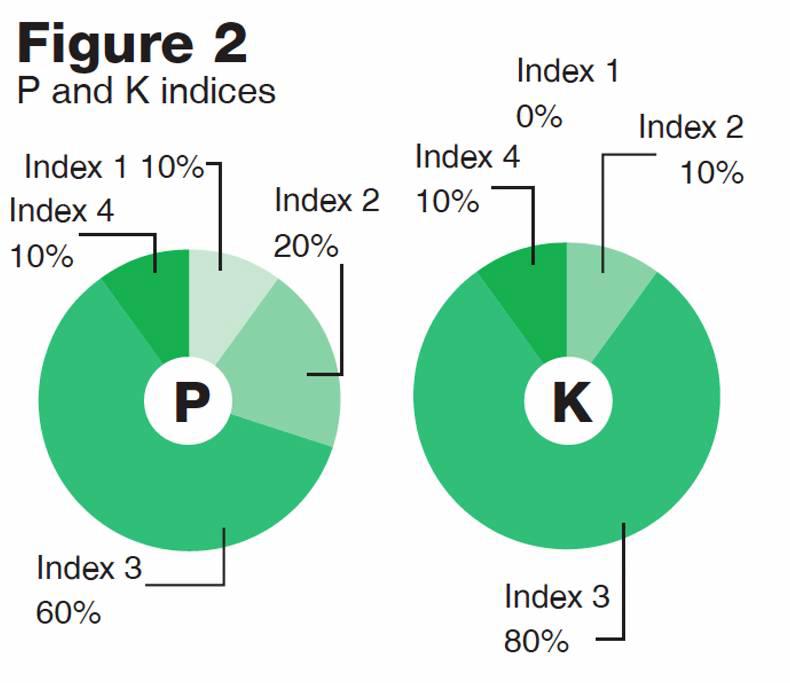
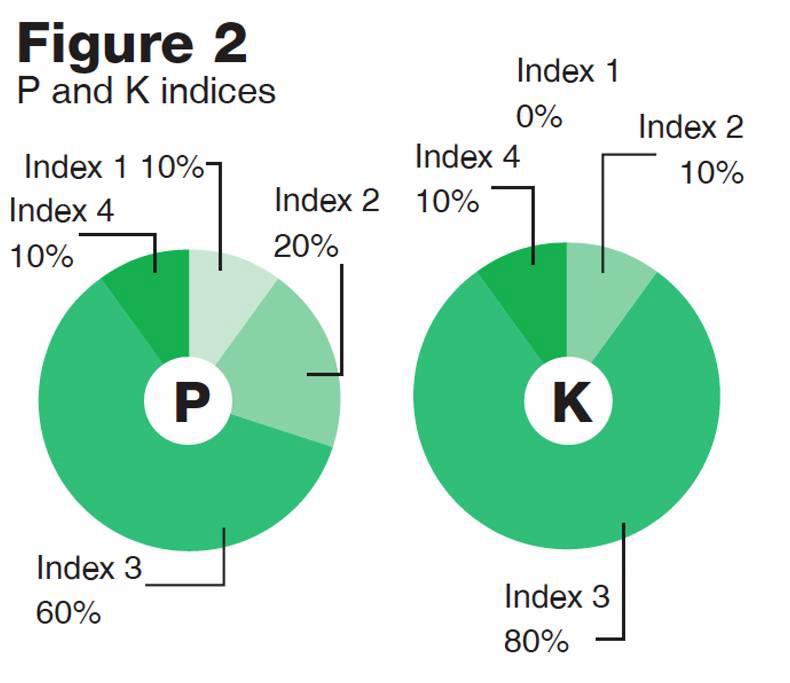
As shown in Figure 2, P and K levels are reasonably good at Newford. The areas with the lower indices will be targeted with organic and chemical fertilisers to address deficits.
Reseeding
A reseeding programme is in place that is currently focused on targeting underperforming paddocks. The Teagasc Pasture Profit Index is also used to select high-performing grass varieties that best suit grazing and silage production.
Read more
Full coverage: Newford Suckler Demonstration herd
The backbone of the Newford production system is growing and utilising high volumes of grass.
With a stocking rate of 2.7LU/ha, the farm needs to produce over 13t DM/ha, with the target in the farm plan to bring about gradual year-on-year improvement and achieve a production figure of 16t DM/ha by 2019.
The success of this target and also achieving a grazing season in excess of 200 days at grass will be dictated by several factors, outlined as follows:
Measuring and budgeting:
Weekly grass measurement and budgeting is critical to making management decisions. It will identify grass deficits or surpluses coming down the line and allow remedial action to be taken to keep on track. Grass measuring will also allow poorly performing paddocks to be identified.
Table 1 shows the average grass growth on Newford Farm in 2015, but as Figure 1 shows, there is massive variation in paddock performance. Identifying these poorer-performing paddocks and increasing their performance will be critical to achieving growth targets set.
Grazing infrastructure:
Grazing infrastructure is essential to achieving high levels of utilisation and growing more grass. The farm has the potential for over 72 grazing divisions. This also facilitates hitting the optimum mid-season grazing height of 10cm to 12cm. Grazing grass at a height of over 12cm will lower utilisation, while grazing at less than 8cm will impact on the volume of grass produced.
Rotation length:
The average rotation length is three weeks, fitting in with the focus of growing grass in three weeks and grazing in three days over the main grazing season. During peak growth (May to June), this will be shortened, with surplus grass taken out of the rotation as baled silage (also limits topping), while in spring and autumn, the rotation planner will be used to balance grass supply with demand.
Soil fertility and fertiliser use:
The three key requirements of soil fertility are having the soil at the optimum pH, phosphorus (P) and potassium (K) levels. Having these correct can be described as having the engine primed, with nitrogen the fuel to drive grass production.
As shown in Figure 2, P and K levels are reasonably good at Newford. The areas with the lower indices will be targeted with organic and chemical fertilisers to address deficits.
Reseeding
A reseeding programme is in place that is currently focused on targeting underperforming paddocks. The Teagasc Pasture Profit Index is also used to select high-performing grass varieties that best suit grazing and silage production.
Read more
Full coverage: Newford Suckler Demonstration herd








SHARING OPTIONS