


In autumn, routine management practices such as weaning and housing can quickly trigger a herd health breakdown if there are underlying disease risks present. Identifying the source of the health problem is essential to make sure the correct course of action is being taken. In recent years, we were asked as a practice to investigate a persistent pneumonia problem that had been occurring annually in one of our autumn-calving suckler herds.
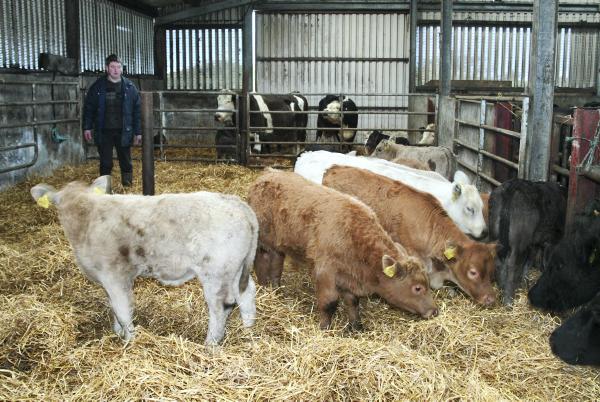
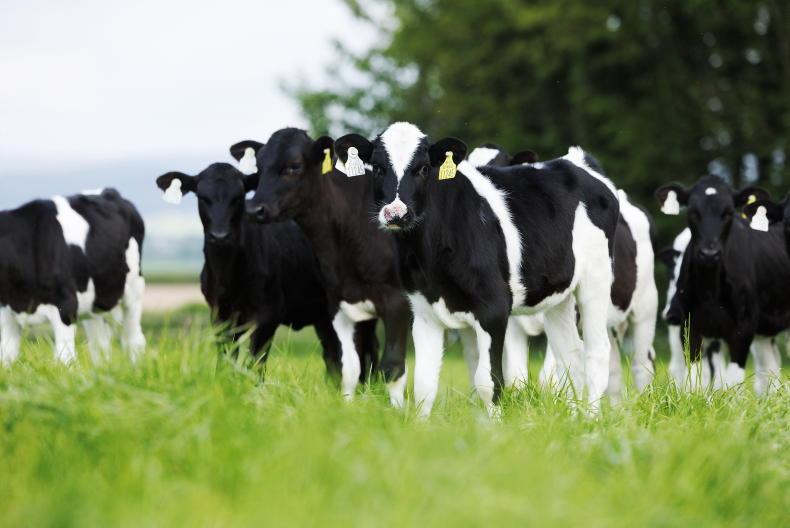
The farm is a 30-cow suckler herd, specialising in producing E and U grade Belgian Blue, Charolais and Limousin weanlings for export. Despite excellent management at calving time, such as getting sufficient colostrum into the calf within hours of birth and having high standards of hygiene and a very comprehensive vaccine regime, the problem persisted on the farm.
This led our practice to look at the rearing environment of the calves. The rearing environment can have a negative effect on calf health and particularly can increase the risk of pneumonia incidence in four main ways:
1. Moisture (too much).
2. Fresh air (not enough).
3. Air speed (too fast).
4. Temperature (mostly relevant to younger calves).
Bedding changes
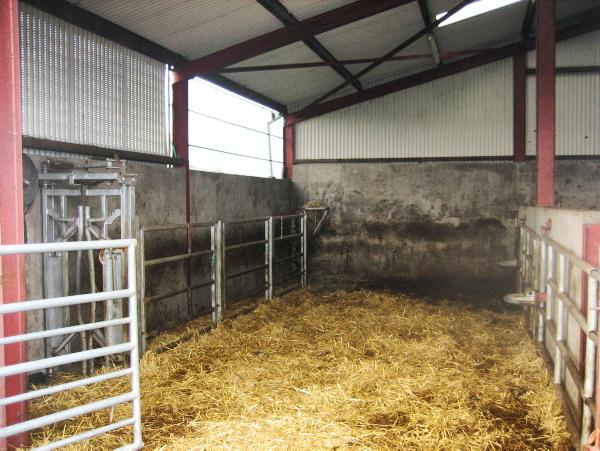
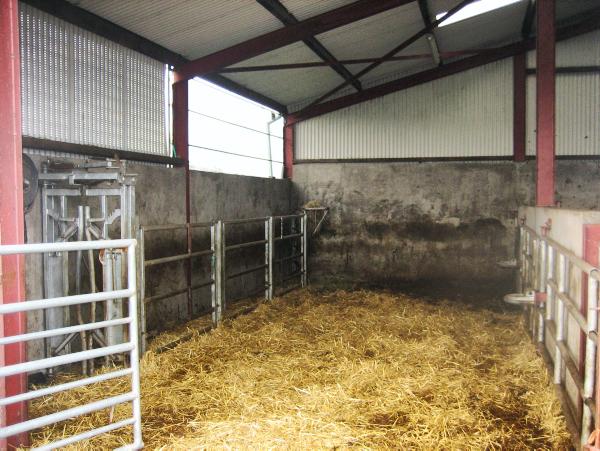
The calves had access to a bedded creep area at the back of the slatted cow pen. The calf creep was previously bedded with shavings placed on a rubber matted floor. Despite excellent drainage in this area from a sloped floor and the shavings providing plenty of soakage, it was felt the calves in this area were too cold.
The lower critical temperature (LCT) of a calf is the temperature below which a calf must burn energy to keep warm. Any factor that increases the amount of time a calf spends below its LCT increases the chances of the calf’s resistance to disease decreasing, ie immunosuppression.
The LCT of a calf under one month old is 10°C. A wet bed will increase this to 16°C. A slight draught will increase it further, eg 2m/second air speed increases LCT by a further 6-9°C.
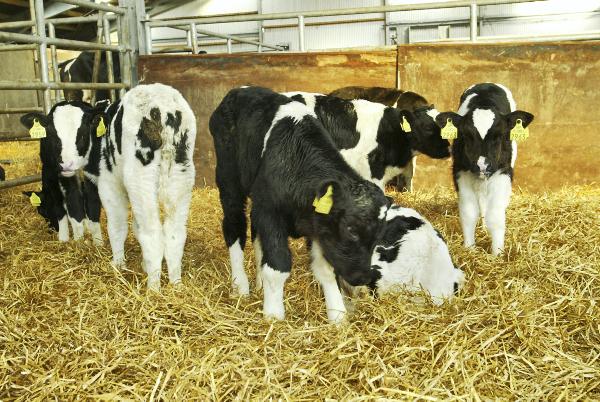
It was decided to bed this area in straw as it has a greater insulation capacity than shavings and this would therefore allow calves to retain body heat.
Studies in the USA have shown dairy calf performance increased by 5% to 12% by bedding calves on straw versus shavings.
Reducing draughts
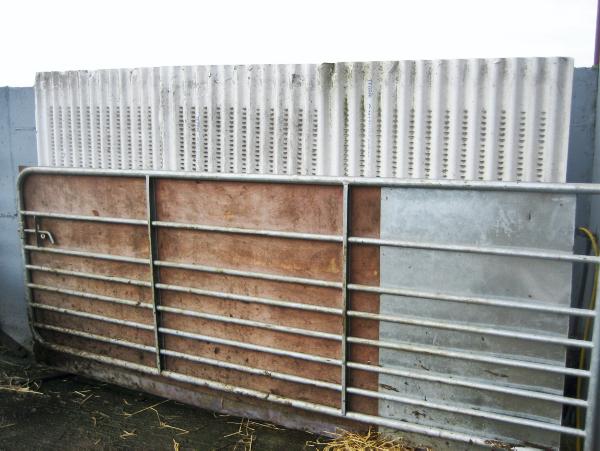
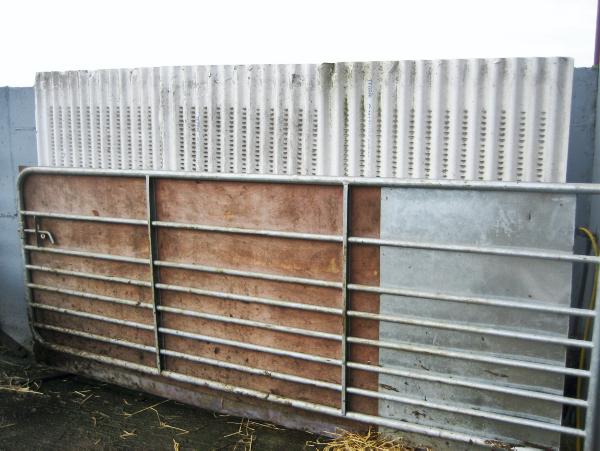
The front door of the creep area was a simple farm gate, which had been boarded to a height of 4ft with plywood. It was felt that given the herd principally calved during the autumn and winter period, there was a draught coming across the top of the gate and in on top of the calves. Using vented sheeting removed from another part of the shed, the gate height was increased to 6ft. Even light draughts with an air speed of less than 2m/second significantly increases calves’ LCT leading to poorer immunity and an increased incidence of pneumonia.
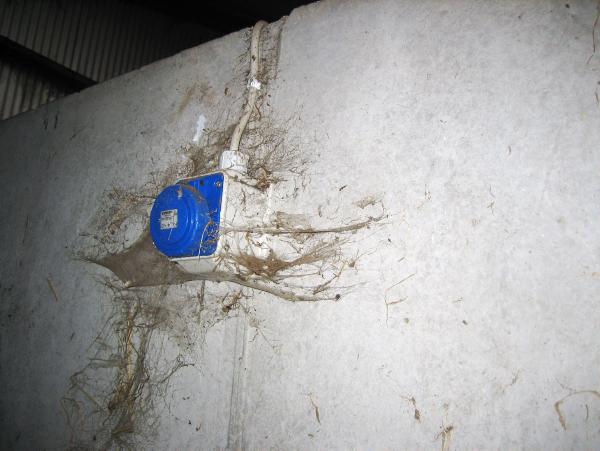
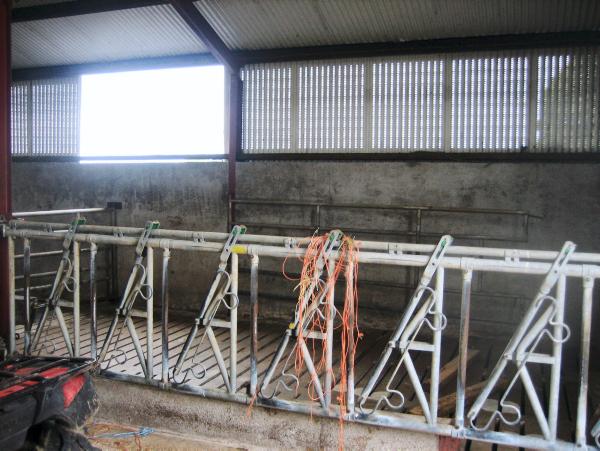
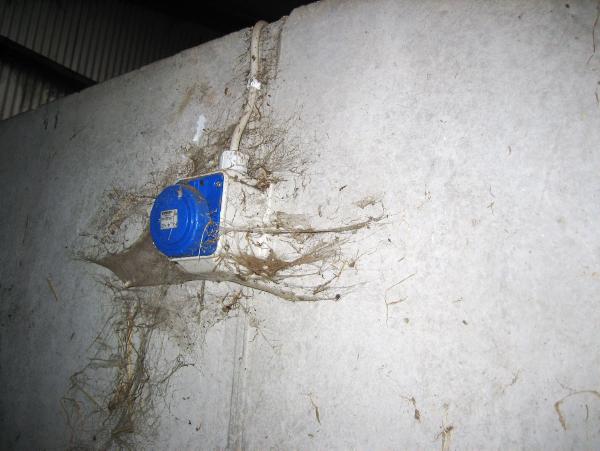
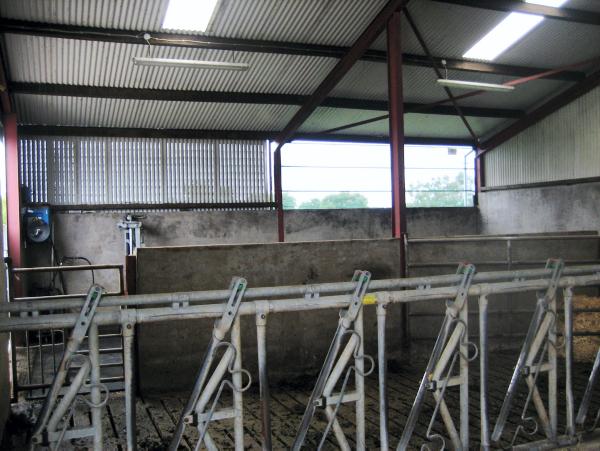
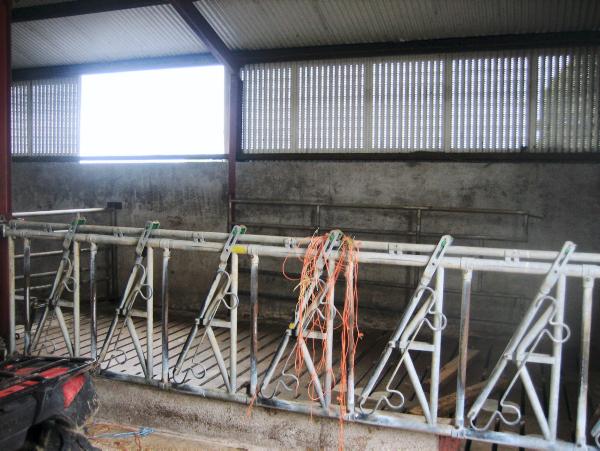
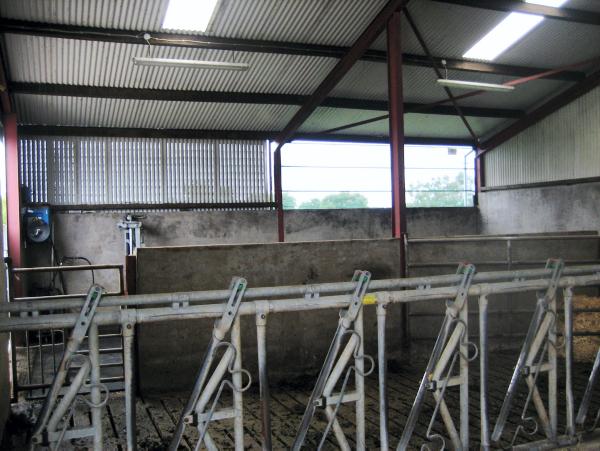
Another housing issue that was noted was that in some areas at the back of the shed, there were cobwebs present, indicating poor air movement in the house. A number of smoke tests were carried out on a still day. It was found that there was a ventilation “dark hole” at the back of the creep area where there was little fresh air movement.
A constant supply of fresh air is crucial for the healthy development of young calves. Bacteria and viruses are killed up to 20 times faster in an environment containing fresh air. It is a natural bactericide and comes free of charge. Ideally, in a manually ventilated shed, fresh air should be drawn in above the level of the calves from the inlet (the vented sheeting on the side of the shed) and exit through the outlet (the ridge of the roof), carrying with it moisture, gases, heat, bacteria and viruses.
An inlet should be a minimum of 0.04m2/calf when constructing a cattle shed, while the outlet area per calf should be twice the size of the inlet. Smoke tests together with some simple calculations showed that at the rear of the creep area there is adequate intake of fresh air through the inlet.
Vented sheeting can sometimes have only a void of 4% to 5% of its area. The vented sheeting on this pen, which was facing the prevailing southwesterly wind, was replaced with gale-break mesh which has about a void of about 25%. On the opposing pen facing north, the vented sheeting was simply removed and not replaced with anything.
When all the outlined changes were carried out, the farmer reported a dramatic improvement in calf health, with virtually no further pneumonia cases last winter.



SHARING OPTIONS