The thyroid gland is located in the front of the neck. Its job is to make iodine-containing hormones that help to regulate the body’s growth, metabolism, digestion, temperature and heart rate. Basically, your thyroid sets the pace and rhythm at which your body goes about its work.
Hypothyroidism, or under activity of the thyroid gland, is a condition which occurs when the thyroid gland fails to produce enough thyroid hormone. Hypothyroidism affects women more than men, especially those between the ages of 35 and 60 years.
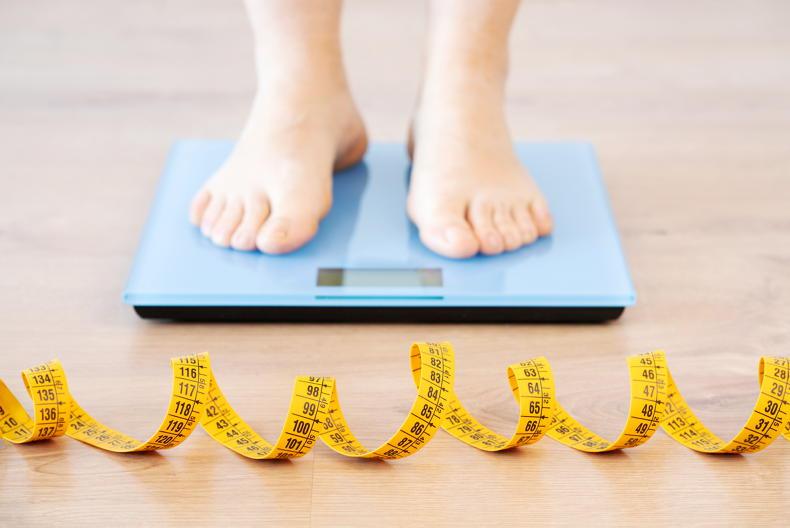
The following are some signs and symptoms of an underactive thyroid: fatigue, sluggishness, weight gain, decreased appetite, sensitivity to the cold, dry skin, hair loss, sleepiness, muscle and joint pain, depression, constipation and hoarseness, to name a few.
Your doctor can check your thyroid levels and tell you if you have an underactive thyroid. We know that stress affects a lot of conditions and the thyroid is no different. To reduce the stressors in your life, go for a walk or try a little meditation – even five minutes can help.
Dietary &
Lifestyle Factors
To help with this condition, your diet needs to incorporate adequate amounts of the following:
• Iodine: found in sea vegetables including kelp, eggs and strawberries.• Tyrosine: Avocados, almonds, seafood, chicken, turkey, beef and eggs.• Selenium: Brazil nuts, eggs, button mushrooms, cod, shrimp, tuna, halibut, salmon and mustard seeds.• Zinc: Oysters, wheat germ, liver, sesame seeds, pumpkin seeds and beef.• Copper: Liver, oysters, sesame seeds, nuts, lobster, sunflower seeds, pumpkin seeds, sundried tomatoes and dried herbs.• Vitamin E: Sunflower seeds, almonds, pine nuts, dried apricots, olives and cooked spinach.• Vitamin C: Red and green hot chilli peppers, bell peppers, dark leafy greens, broccoli, brussels sprouts, kiwi, papaya, oranges and strawberries.Note: Although iodine and selenium are crucial, too much of either can actually hinder normal thyroid hormone production, so care is required here. Also, ensure that foods from the brassica families, such as turnips, radishes, cabbage, brussels sprouts and kale, are cooked before eaten. If eaten raw, they can actually hinder the uptake of iodine in the blood and contribute to an underactive thyroid.
EXERCISE
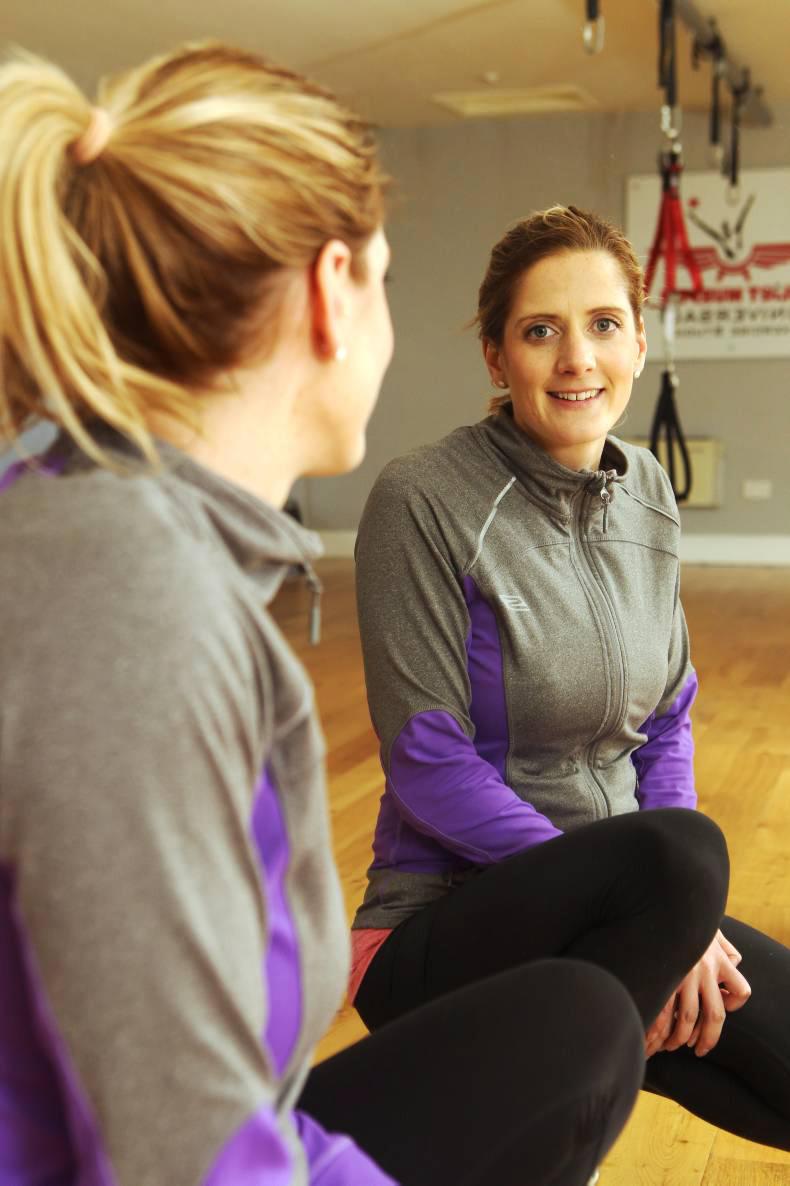
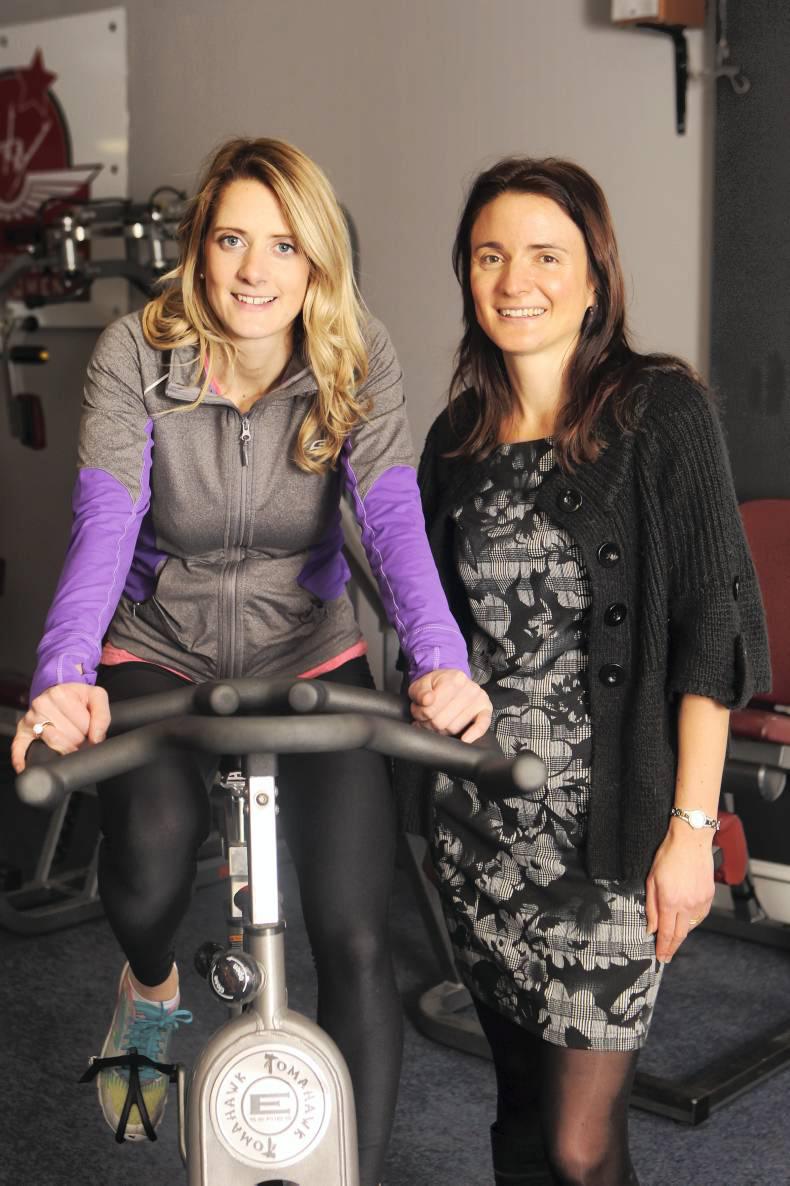
Juliet Murphy, who suffers from underactive thyroid herself, shares some simple exercises to help maintain your metabolism.
I was diagnosed with underactive thyroid when I was 21. At the time, I was feeling really tired during training and felt like I was battling against my body. The problem was eventually diagnosed with a simple blood test and I was put on eltroxin. I would recommend getting tested to anybody if they feel like they have no energy to exercise.
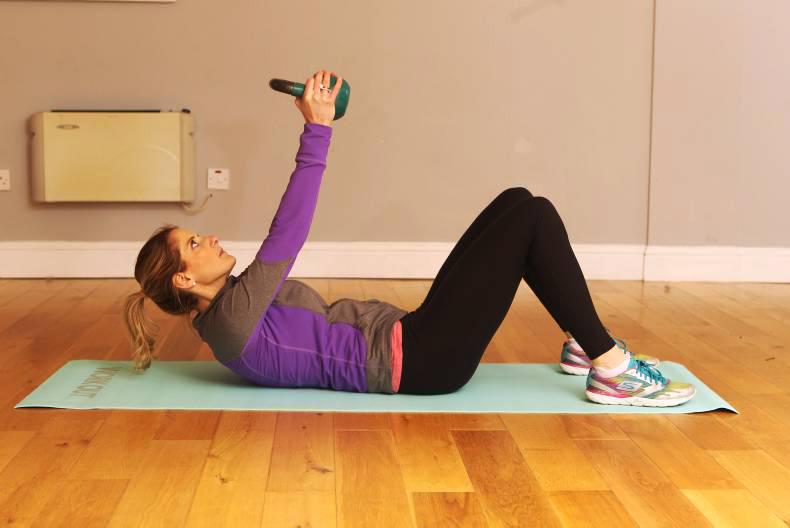
For those of us with under/overactive thyroid, the key is to do weight-bearing exercise, as there are times you will not feel like you have the energy to walk/run/cycle. Increasing your muscle mass will help to maintain your metabolism. You can combine some light cardio and weight-bearing exercises for maximum results.
Warm up with some light skipping and jogging on the spot for five to 10 minutes. If you have some space to move, try jogging with high knees and some side-to-side stepping on the move.
cARDIO
To begin, pick four cardio exercises, such as the following:
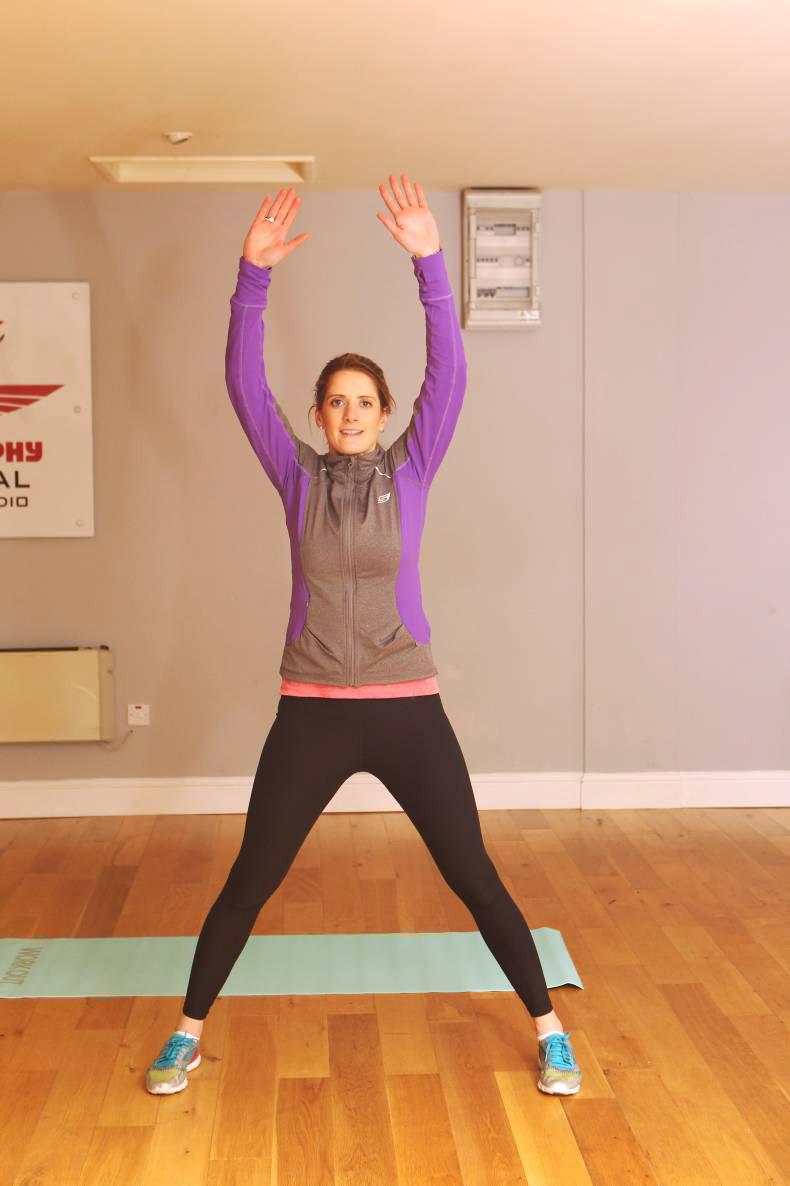
1. Fast feet on the spot.2. Jumping jacks.3. Boxing (ideally to box pads).4. High knees.WEIGHT-BEARING
Then choose four weight-bearing exercises, such as the following:
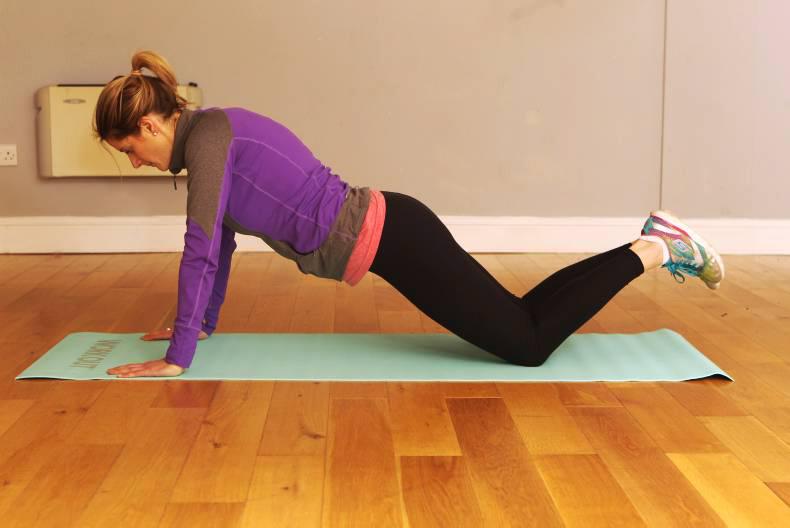
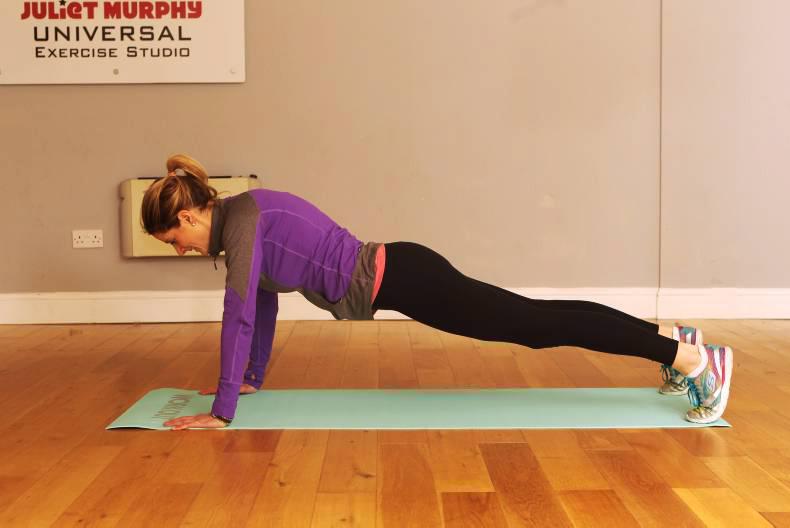
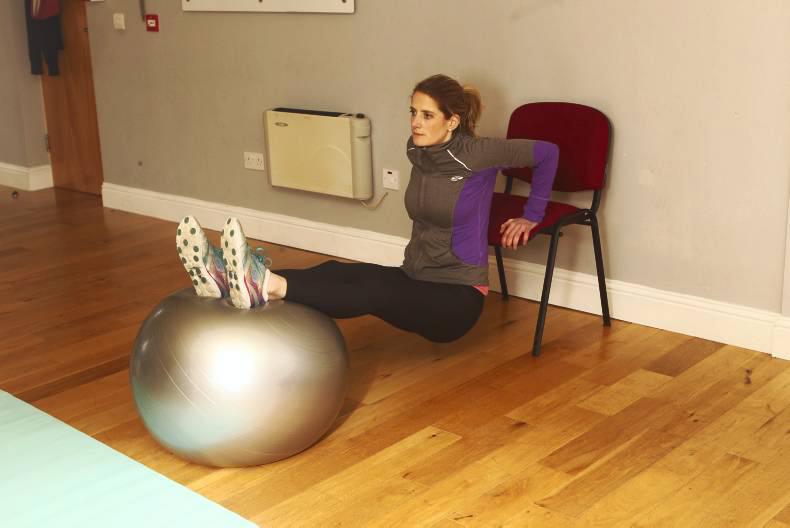
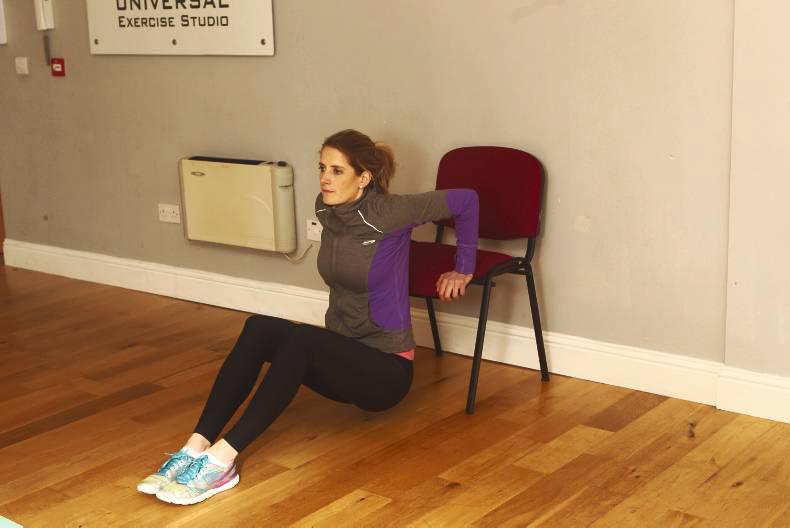
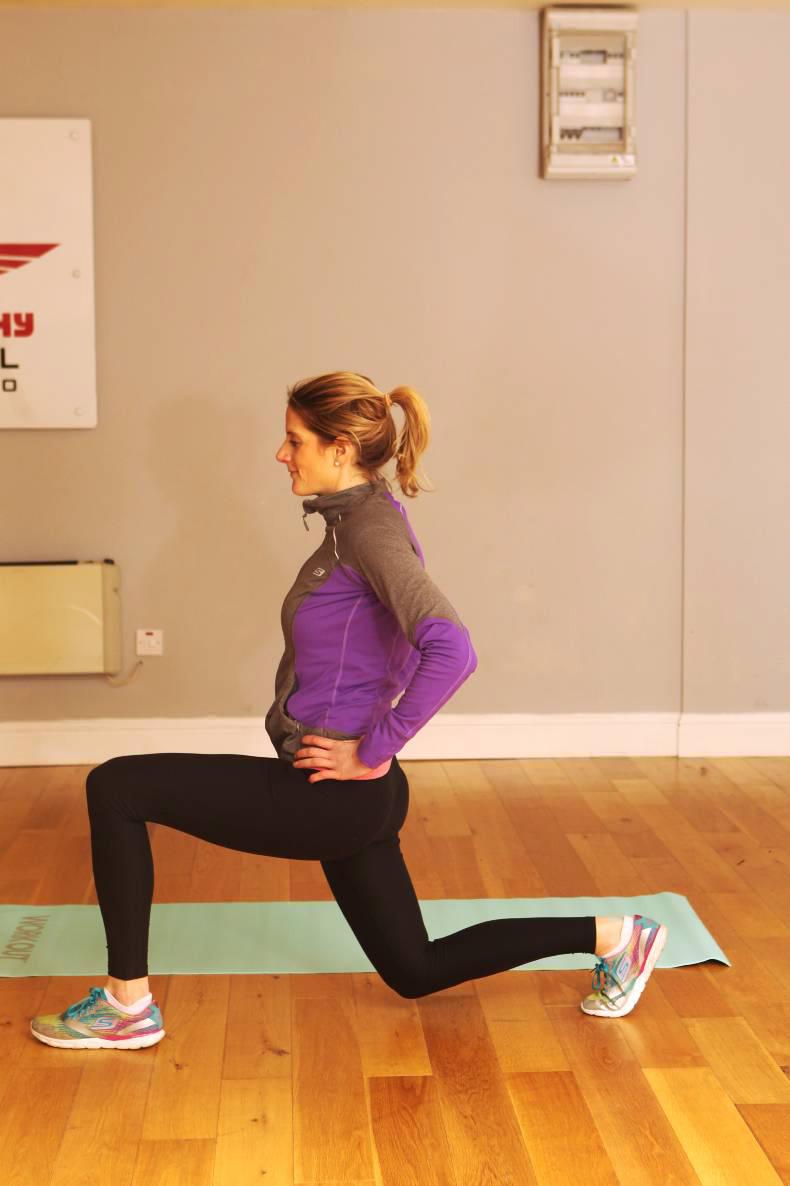
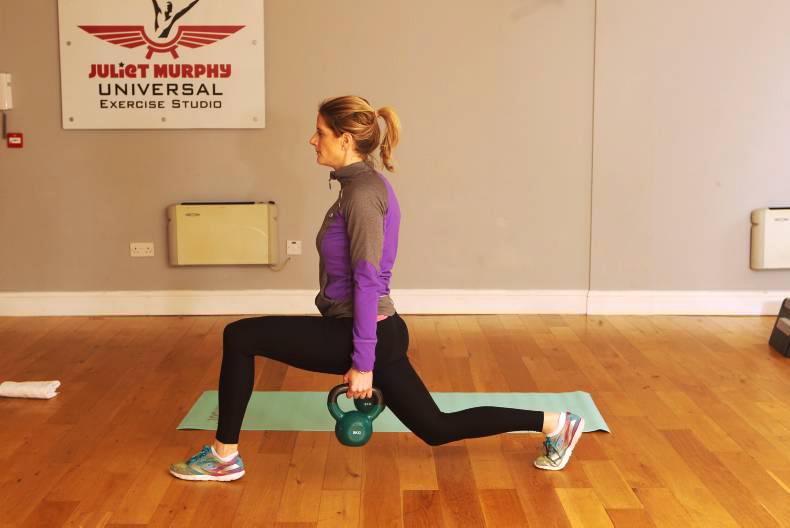
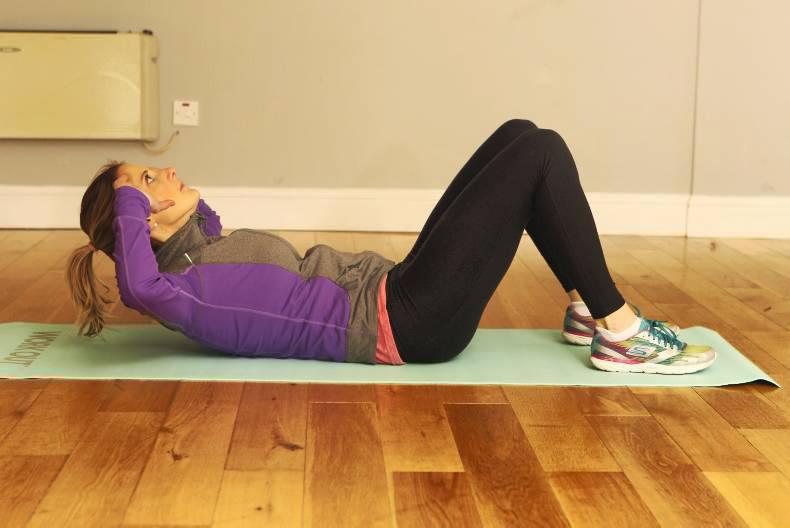
1. Modified push-ups.2. Tricep dips.3. Ab crunches.4. Lunges.Start with your first cardio exercise and do this for 30 seconds. Take a 10-second break and then begin your first weight-bearing exercise for 30 seconds. Repeat this pattern until you have all eight exercises completed. Repeat three/four times.
You might find you tire quickly at the beginning, but as you become more active you will notice an increase in your overall fitness level. You can change the exercises as you go along if you’re feeling more energetic and if you want to challenge yourself more. CL
The thyroid gland is located in the front of the neck. Its job is to make iodine-containing hormones that help to regulate the body’s growth, metabolism, digestion, temperature and heart rate. Basically, your thyroid sets the pace and rhythm at which your body goes about its work.
Hypothyroidism, or under activity of the thyroid gland, is a condition which occurs when the thyroid gland fails to produce enough thyroid hormone. Hypothyroidism affects women more than men, especially those between the ages of 35 and 60 years.
The following are some signs and symptoms of an underactive thyroid: fatigue, sluggishness, weight gain, decreased appetite, sensitivity to the cold, dry skin, hair loss, sleepiness, muscle and joint pain, depression, constipation and hoarseness, to name a few.
Your doctor can check your thyroid levels and tell you if you have an underactive thyroid. We know that stress affects a lot of conditions and the thyroid is no different. To reduce the stressors in your life, go for a walk or try a little meditation – even five minutes can help.
Dietary &
Lifestyle Factors
To help with this condition, your diet needs to incorporate adequate amounts of the following:
• Iodine: found in sea vegetables including kelp, eggs and strawberries.• Tyrosine: Avocados, almonds, seafood, chicken, turkey, beef and eggs.• Selenium: Brazil nuts, eggs, button mushrooms, cod, shrimp, tuna, halibut, salmon and mustard seeds.• Zinc: Oysters, wheat germ, liver, sesame seeds, pumpkin seeds and beef.• Copper: Liver, oysters, sesame seeds, nuts, lobster, sunflower seeds, pumpkin seeds, sundried tomatoes and dried herbs.• Vitamin E: Sunflower seeds, almonds, pine nuts, dried apricots, olives and cooked spinach.• Vitamin C: Red and green hot chilli peppers, bell peppers, dark leafy greens, broccoli, brussels sprouts, kiwi, papaya, oranges and strawberries.Note: Although iodine and selenium are crucial, too much of either can actually hinder normal thyroid hormone production, so care is required here. Also, ensure that foods from the brassica families, such as turnips, radishes, cabbage, brussels sprouts and kale, are cooked before eaten. If eaten raw, they can actually hinder the uptake of iodine in the blood and contribute to an underactive thyroid.
EXERCISE
Juliet Murphy, who suffers from underactive thyroid herself, shares some simple exercises to help maintain your metabolism.
I was diagnosed with underactive thyroid when I was 21. At the time, I was feeling really tired during training and felt like I was battling against my body. The problem was eventually diagnosed with a simple blood test and I was put on eltroxin. I would recommend getting tested to anybody if they feel like they have no energy to exercise.
For those of us with under/overactive thyroid, the key is to do weight-bearing exercise, as there are times you will not feel like you have the energy to walk/run/cycle. Increasing your muscle mass will help to maintain your metabolism. You can combine some light cardio and weight-bearing exercises for maximum results.
Warm up with some light skipping and jogging on the spot for five to 10 minutes. If you have some space to move, try jogging with high knees and some side-to-side stepping on the move.
cARDIO
To begin, pick four cardio exercises, such as the following:
1. Fast feet on the spot.2. Jumping jacks.3. Boxing (ideally to box pads).4. High knees.WEIGHT-BEARING
Then choose four weight-bearing exercises, such as the following:
1. Modified push-ups.2. Tricep dips.3. Ab crunches.4. Lunges.Start with your first cardio exercise and do this for 30 seconds. Take a 10-second break and then begin your first weight-bearing exercise for 30 seconds. Repeat this pattern until you have all eight exercises completed. Repeat three/four times.
You might find you tire quickly at the beginning, but as you become more active you will notice an increase in your overall fitness level. You can change the exercises as you go along if you’re feeling more energetic and if you want to challenge yourself more. CL










SHARING OPTIONS