Budget 2027 is around the corner, and never has there been as much focus on energy costs and the need to develop Ireland’s renewable energy resources.
Against this backdrop, a number of organisations have set out their stalls ahead of the Budget, outlining the supports and policy changes they believe are needed to accelerate renewable energy development. Farm-scale anaerobic digestion, solar and battery grants, lower electricity taxes and increased retrofit spending are among the key energy measures being sought ahead of Budget 2027.
50% AD grant
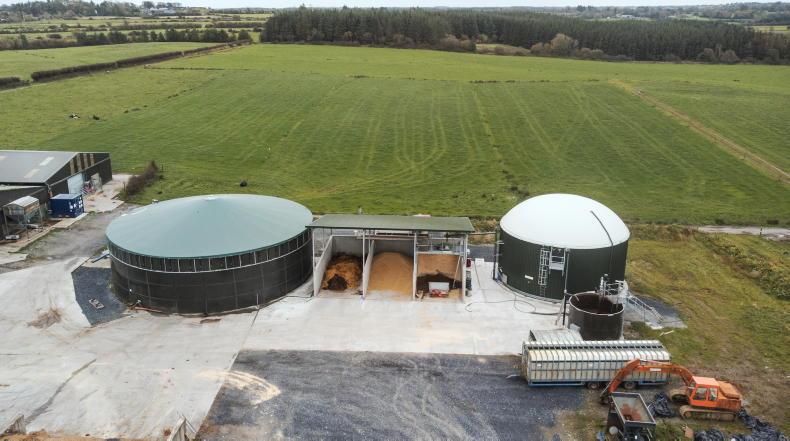
The IFA wants a minimum 50% capital grant for farmer-owned farm-scale biogas plants, financed through the Infrastructure, Climate and Nature Fund and/or a feed-in tariff to be introduced.
It also wants the Renewable Heat Obligation introduced immediately and a State-supported low-cost renewable energy finance scheme established.
The association points to Ireland’s target of producing 5.7TWh of biomethane by 2030 and says high capital costs, poor rural grid infrastructure, restrictive tariffs and planning are among the barriers preventing farmers from developing renewable projects. Planning, licensing and regulation should also be streamlined, with statutory decision timelines and nationally consistent assessment criteria, it says.
The IFA wants livestock slurry and farmyard manure prioritised as AD feedstocks and an independent pricing mechanism developed to provide farmers supplying feedstocks with a sustainable return.
Existing agricultural tax reliefs should continue to apply to farmers participating in AD projects.
Solar and batteries
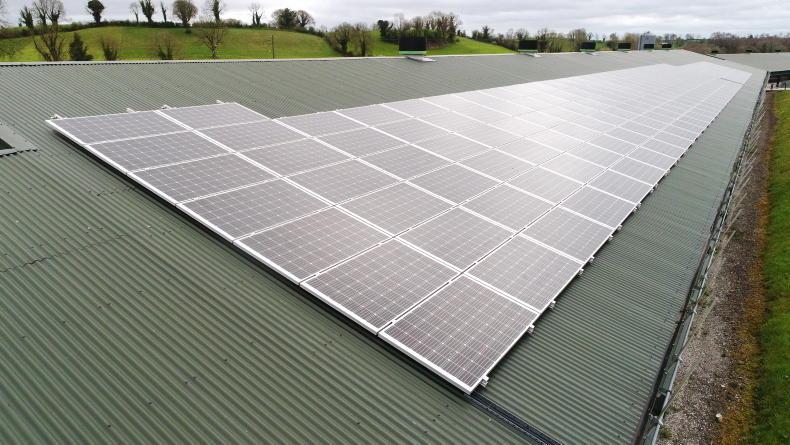
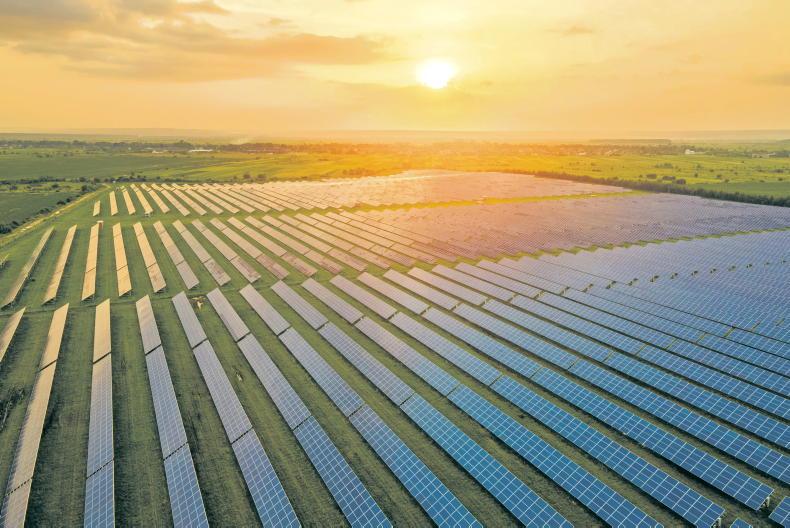
Solar PV and electricity storage also feature heavily in the IFA submission. It wants farmers incentivised to install solar capacity beyond their own electricity requirements and export surplus power to the grid.
For rooftop solar, it is seeking a multiannual funding commitment and an increase in the SEAI Non-Domestic Microgen Grant available to farms.
Battery storage should become eligible for SEAI grant support, including allowing a second application where a farmer previously installed solar but battery support was unavailable.
The IFA also wants a dedicated farmer category within Small-Scale Renewable Electricity Generation, with supports scaled to protect the viability of small and medium-sized projects.
An increased allocation for the Support Scheme for Renewable
Heat is sought, while renewable-energy tax reliefs available to solar farms should be extended to farmer-invested wind turbines.
Electric farm machinery
The association is also calling for a dedicated scheme, funded through the Climate and Nature Fund, to support farm technologies that reduce reliance on fossil fuels.
Eligible equipment would include electric quads and loaders, slurry collectors, feeding systems and cubicle-bedding machines, as well as GPS equipment and liquid-fertiliser infrastructure.
€2,400 solar grant
The Micro-Renewable Energy Federation is also looking for increased solar and battery supports.
It wants the domestic solar PV grant increased to €2,400 for systems up to 6kWp and battery support restored at €150/kWh.
The federation also wants the construction-date restriction excluding newer homes from solar grant eligibility removed.
Its proposals extend into electricity-market rules. MREF wants consumers to be allowed to sell surplus electricity to a different supplier from the company they buy electricity from.
It is also seeking a mandated three-month smart-meter rollout for microgenerators and faster and fairer grid access for homes, farms and businesses.
Cut electricity VAT
Ireland Electrified wants Budget 2027 to accelerate the move from fossil fuels towards electricity in heating, transport and industry.
Its headline proposal is for Government to seek EU approval to reduce VAT on electricity from 9% to 4%.
It also wants 0% VAT applied to heat pumps, batteries, smart chargers and vehicle-to-grid chargers, alongside further targeted grants for home retrofits.
The organisation proposes a five-year rural public EV charging fund worth €50m annually, or €250m over the programme.
It also wants the existing €3,500 battery-electric vehicle grant extended to second-hand EVs and proposes a €7,000 scrappage grant where a petrol or diesel vehicle aged at least 10 years is replaced with a battery EV.
For businesses, it wants the Accelerated Capital Allowance scheme expanded to electrical equipment and amended to provide a 150% tax deduction over eight years.
Industrial heat pumps, electric boilers, battery storage and smart energy-management systems are among the technologies identified.
€400m for warmer homes
Friends of the Earth Ireland is seeking an increase in Warmer Homes Scheme funding from €340m to €400m and wants the local-authority social-housing retrofit budget doubled from €140m to €280m.
It also proposes zero VAT on energy-efficiency upgrades and heat pumps and expanded free solar-panel support for financially vulnerable households.
A dedicated private-rental retrofit programme, minimum energy-performance standards and tenant protections are also proposed.
The organisation also wants data centres with demand above 10MW to meet 100% of their transmission costs upfront.
It proposes a windfall tax on data-centre profits, with revenues used for energy upgrades for lower-income households, while also seeking a moratorium on large data-centre developments and opposing public funding for new gas infrastructure.
District heating
The Environmental Pillar wants increased investment in renewable energy and enabling infrastructure alongside a publicly led National Retrofit Mission.
Its proposals include greater public investment in district heating, community heat networks, geothermal energy and waste-heat recovery. It also wants a Government-subsidised social energy tariff for households at risk of energy poverty.
The Pillar supports maintaining the carbon-tax trajectory, with revenues ring-fenced for energy poverty, retrofit, clean heat, sustainable agriculture and other climate measures. It also seeks a timetable for phasing out fossil-fuel subsidies.
Target energy supports
The Just Transition Commission wants cost-of-living measures targeted towards households most exposed to energy poverty and transport disadvantage.
Its Budget 2027 recommendations include investment in housing retrofit and renewable energy, continued funding for community climate-action projects and greater certainty for programmes supporting local participation in the energy transition.
The Commission argues that reducing Ireland’s dependence on imported fossil fuels would also reduce exposure to international energy-price shocks.
Business tax credit
Deloitte Ireland has proposed a standalone decarbonisation tax credit for businesses investing in measures which reduce emissions.
Unlike the existing R&D tax credit, the proposed incentive would focus on emissions reductions rather than requiring investment to meet a scientific-innovation test. Deloitte also wants a standalone investment tax credit covering assets including energy-efficient machinery and is calling for investment in energy infrastructure and green technologies.
Farm opportunity
Across the seven submissions, solar PV, batteries, electrification, retrofit, renewable heat and energy infrastructure repeatedly emerge as areas where additional Government support is being sought.
For agriculture, however, the IFA proposals envisage a considerably broader role.
Farmers could be supported to produce and export more solar electricity, develop farm-scale AD and biomethane, invest in wind and renewable heat, install batteries and replace some internal-combustion farm equipment with electrical alternatives.