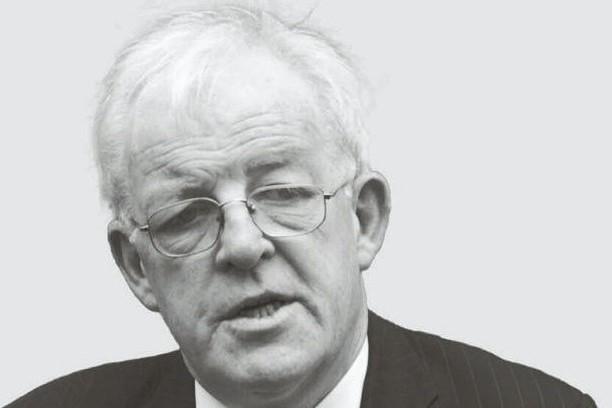
Budget 2027 contains important measures to support farm viability, but falls short on the investment needed to help farmers deliver on Ireland’s climate, water quality and nature targets, according to Irish Farmers' Association (IFA) environment chair John Murphy.
He said farmers had faced a difficult year, with continued pressure from input costs, weather and farm incomes.
Murphy welcomed the extension of fuel supports, including an additional €31.2m for the period from August to December 2026 and a €46.1m package to offset higher fertiliser and energy costs.
However, he stressed that payments must reach farmers as quickly as possible to ease financial pressure on farm businesses.
The additional €21.6m for European Innovation Partnerships (EIPs), including Farming for Water, was also welcomed.
Murphy said timely payments to farmers who had already undertaken measures under the programme were essential to maintain confidence and encourage continued participation.
He also welcomed the increase in the Targeted Agricultural Modernisation Scheme (TAMS) allocation to €93.35m, which will support essential on-farm investment, including additional nutrient storage.
Nutrient storage
However, he called for a standalone nutrient storage scheme with sufficient funding to ensure all farmers who need additional capacity can access support, describing it as essential infrastructure for both farm businesses and water quality.
Murphy said a significant funding gap remained in supporting farmers to meet environmental objectives, despite their existing work through ACRES, Farming for Water and other EIPs.
He also questioned whether the €6m increase for the National Parks and Wildlife Service was sufficient, given the scale of nature restoration ambitions and estimates that implementing the EU nature restoration regulation could require investment of up to €700m annually.
“Farmers are committed to improving the environmental performance of Irish agriculture. However, that environmental ambition must be matched by investment. They cannot be expected to deliver more for climate, water and nature without the financial and practical supports to make those changes on their farms.”