



CBAM – the Carbon Border Abatement Mechanism – has been in the farming news all year as its introduction hit fertiliser prices.
CBAM is estimated to have added as much as €50/tonne in extra taxes on the worst hit fertiliser products, such as urea.
The bad news for farmers is that CBAM seems to be here to stay with no move at EU level to reassess the logic behind adding cost to food production while consumers struggle with other forms of inflation.
With fertiliser prices across the EU rising through 2026 due to the conflict across the Middle East, a fertiliser support scheme has been introduced. However, this will only partly offset the cost. The argument that farmers are unable to pass on these cost increases has fallen on deaf ears.
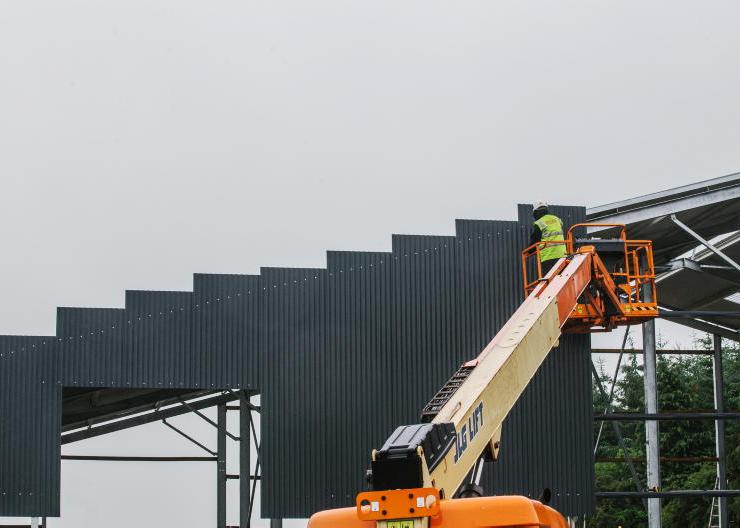
Farmers may be unaware that CBAM is costing them in other ways as construction costs have also been affected.
Steel, aluminium, and cement imports into the EU have all seen CBAM imposed at roughly €75/tonne CO2.
This has added to the cost of buildings, including essential slurry storage due to changing regulations. In addition, electricity imported into the EU is subject to CBAM.
This means that any EU country producing raw materials for agriculture, including fertiliser or building materials, must pay CBAM on electricity sourced from outside the EU 27.
As this includes the UK, it could have significant implications for Ireland.




SHARING OPTIONS