Aontú leader Peadar Tóibín has claimed that “serious vested interests” have developed around the ongoing bovine TB crisis, arguing that some parties have a financial interest in the problem continuing rather than being resolved.
Speaking at a TB meeting in Valleymount, Co Wicklow, an area which has been badly affected by TB, Tóibín questioned the effectiveness of the State’s approach, claiming that hundreds of millions of euro were being spent without any real determination to tackle the disease.
He alleged that some involved in the system were benefiting financially from its continuation, adding that there were “serious vested interests” with an interest in maintaining the current situation.
“There’s a whole industry grown up around it, there’s actually a vested interest in sections that actually want to make a living from this and have no real interest to see it being eradicated.
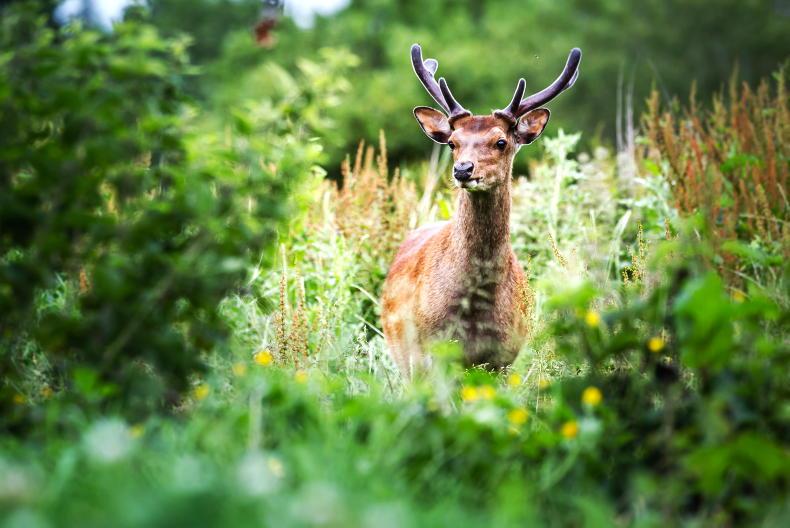
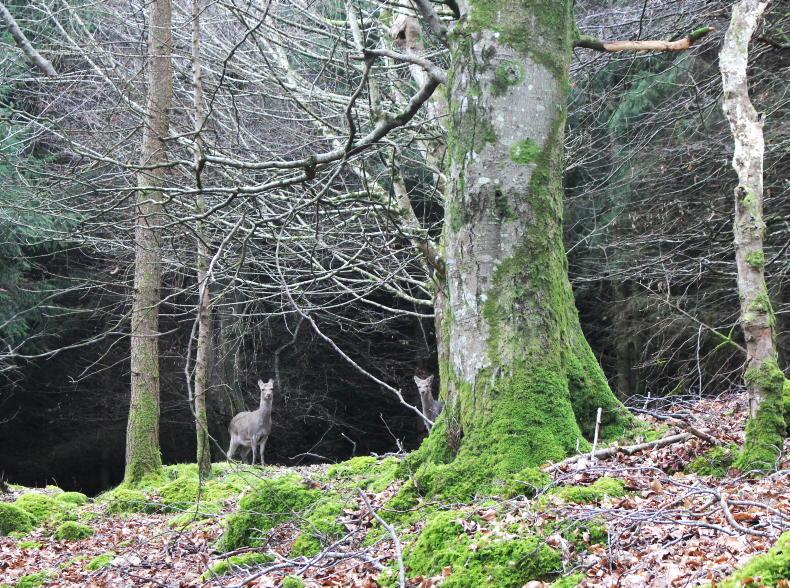
“The Government need to take a far stronger stance in its eradication,” he told the Irish Farmers Journal. Tóibín also criticised the lack of structured monitoring of TB in the wild deer population which is very prevalent in Wicklow, questioning why the State was not carrying out annual testing to establish infection levels.
He said hunters were an underused resource in gathering information and suggested that deer killed in road accidents should be randomly tested to build a clearer picture of the disease in different areas.
He questioned whether the authorities even knew how many deer were in the country, how many were infected with TB or how many were being shot each year.
Tóibín also highlighted the potential impact of deer on silage and grazing fields.
State-owned land
He also criticised the management of deer populations on State-owned land in Wicklow.
The Aontú leader questioned the absence of a clear plan by major landowners, including Coillte, the National Parks and Wildlife Service as well as private forestry owners, to manage deer numbers and address the potential spread of TB.
He said it was wrong that significant areas of land were being managed without a clear strategy to tackle the proliferation of TB among deer.
When these points were put to the Department of Agriculture, a spokesperson said: “There has been encouraging progress in reducing TB levels. As of 1 November 2026 over a 12-month period the herd incidence was 5.45% down from 5.88%, the number of herds restricted was 5,416 down almost 8% and the number of reactors was 37,777. In September 2025 when the TB plan was launched the herd incidence was 6.13%.
“The Bovine TB Action Plan: Addressing Bovine TB in Ireland was launched in September 2025 and includes five measures and 30 actions underpinned by scientific research, evidence and veterinary expertise. The aim of the action plan is to reset the bTB programme in the context of putting in place measures necessary to tackle the current disease situation. These measures are targeting both transmission between wildlife and cattle and transmission between cattle.”