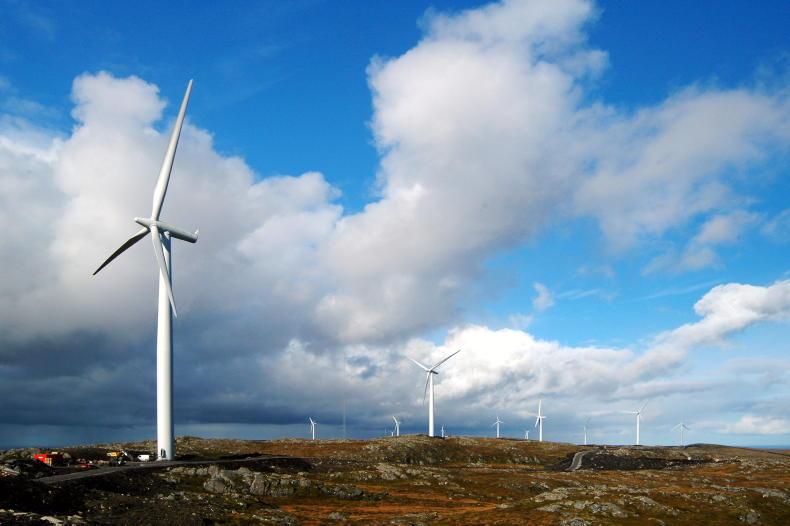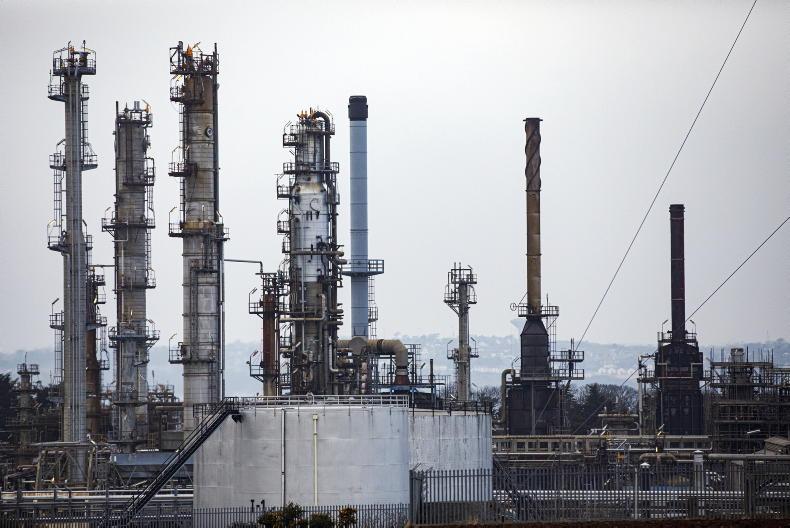
The European Commission is weighing up the possibility of delaying new rules aimed at reducing the methane emissions associated with importation of fossil fuels.
The EU methane regulation sought to address methane emissions from the energy sector as 60% of global methane emissions are the result of human activity.
A third of those emissions come from the energy sector.
The regulation will require imported fossil fuels to comply with monitoring and reporting rules. These include rules on the volumes of methane vented into the environment during the production of fuels.
Higher share
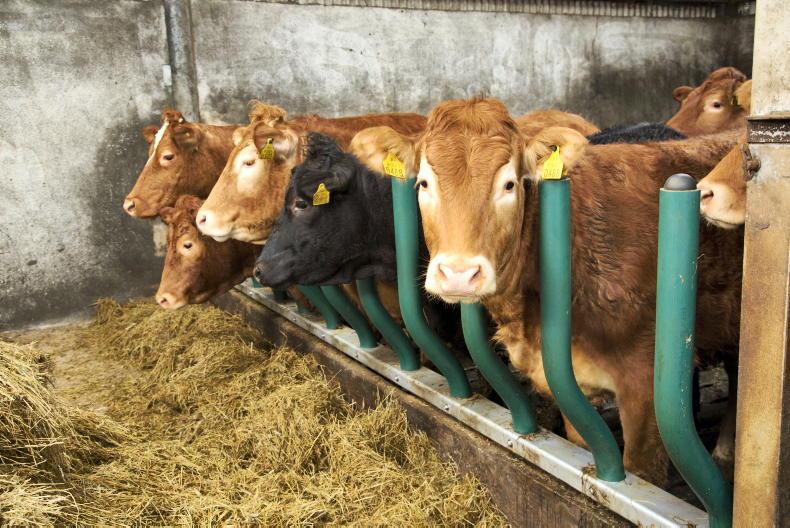
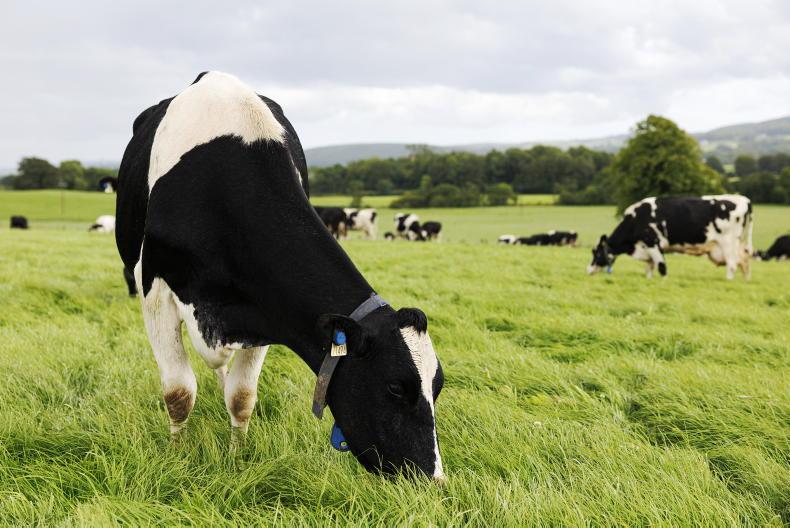
Strong grass-based dairy and beef exports in Ireland – combined with the absence of any major domestic oil industry – sees Irish farming account for a higher share of methane emissions at national level than is seen in other countries, where traditional heavy industries and oil industries are more prevalent.
The United Nations has stated that 80% of oil and gas methane-abatement measures, and up to 98% of similar measures for the coal industry, could be implemented “at a negative or low cost”.
These measures include trapping methane from escaping from in-use and disused fossil-fuel-extraction sites. Some of the gas can itself be used as fuel.
However, it is understood that a pause is on the table in a bid to avoid any associated increases with fuel prices after 2026’s global price spike. The deferment currently under consideration for imports could last for one year.
“We can confirm that the Commission plans to propose a postponement of the entry into force of the methane regulation,” a spokesperson for the Commission told the Irish Farmers Journal.
“This work is now ongoing at technical level. We do not have any further details to share at this stage.”