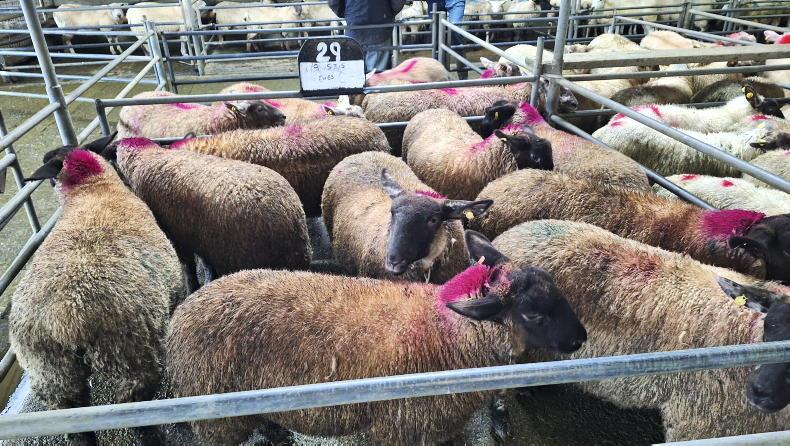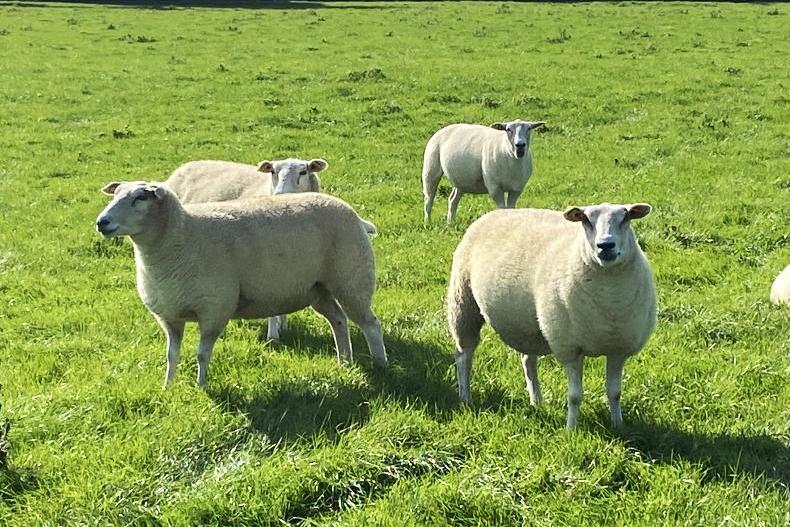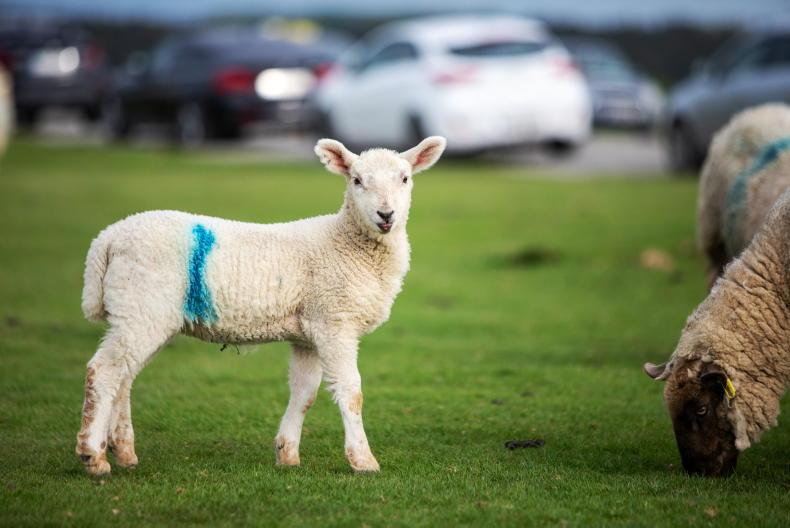
A Kildare county councillor has said he believes sheep fencing collars may be a potential solution to the issue of sheep wandering off the Curragh and on to nearby roads.
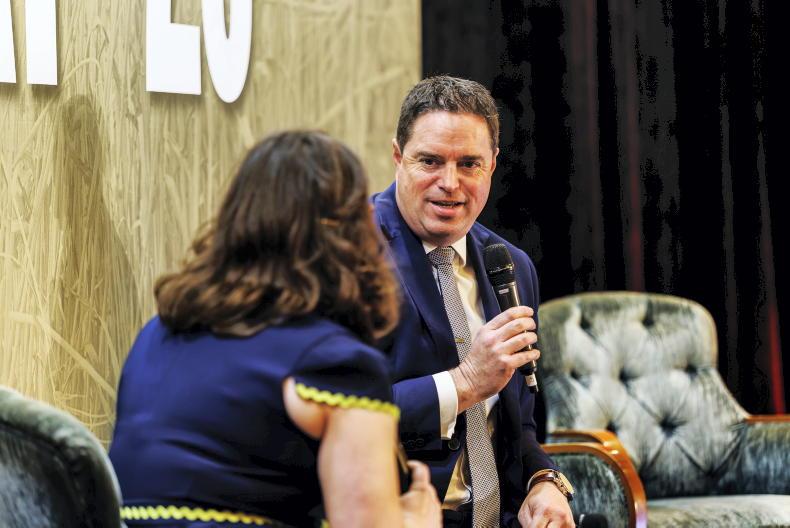
At a meeting last week, Fianna Fáil county councillor Brian O’Loughlin asked Kildare County Council “if any solution has been found to the continuous problem of sheep wandering off the Curragh"?
This has been an ongoing problem for many years, specifically in the areas of Brownstown, Knocks Cross, Cutbush and Suncroft, the councillor said.
The municipal district office said, in response, that it had previously investigated the possibility of installing a sheep grid on the L3007 road at Brownstown.
However, it was deemed not possible due to existing services on the road.
Sheep grids are a barrier designed to prevent sheep from crossing roads or property boundaries.
O’Loughlin said that the council has installed about 18 grids so far, which cost in the region of €70,000 and incur further maintenance costs.
Fencing collars
Due to the high costs of sheep grids, the councillor said he has been researching the use of sheep fencing collars as a potential solution to this problem in the Curragh.
The sheep collars work through GPS technology where the farmer can set a boundary for where the sheep can go.
If the sheep walk near the boundary, the collar will make a noise and if they walk further towards the set boundary, the collar issues a mild pulse to deter them from crossing.
O’Loughlin said the use of the sheep collars would benefit everyone in the area from farmers and road users to residents and golf courses.
He noted that for farmers, the collars would provide great benefit, as they can be alerted if there is no movement in the sheep meaning they could be sick or injured and to keep better track of them from getting lost.
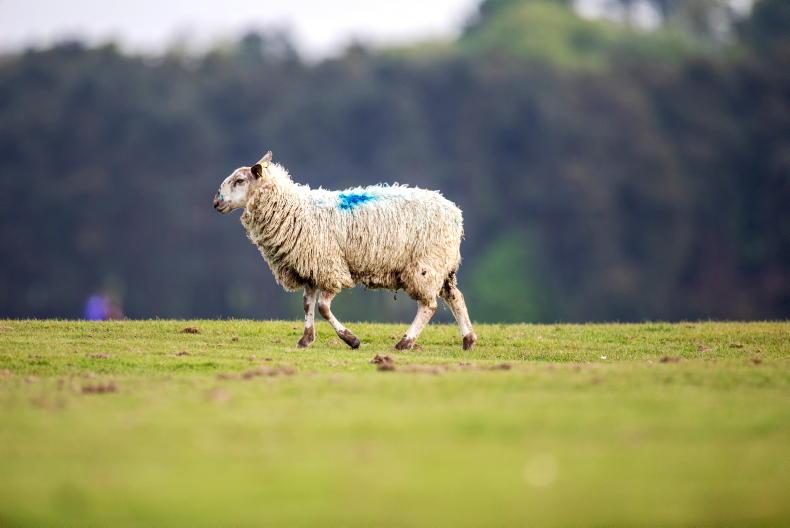
The lambs may not need collars as they generally follow and stay with the ewes, he pointed out.
O’Loughlin said he was speaking to a mountain sheep farmer in the west of Ireland who has 400 sheep in total. The farmer has been using the sheep collars on 40 of his sheep and finds it extremely useful.
He said he would use the collars on more of his sheep if they were subsidised in some way as cost can be a barrier, costing anywhere in the region of about €220 per collar.
The councillor said that this is the "start of a conversation" and that it would require support from local farmers and the Department of Agriculture.