



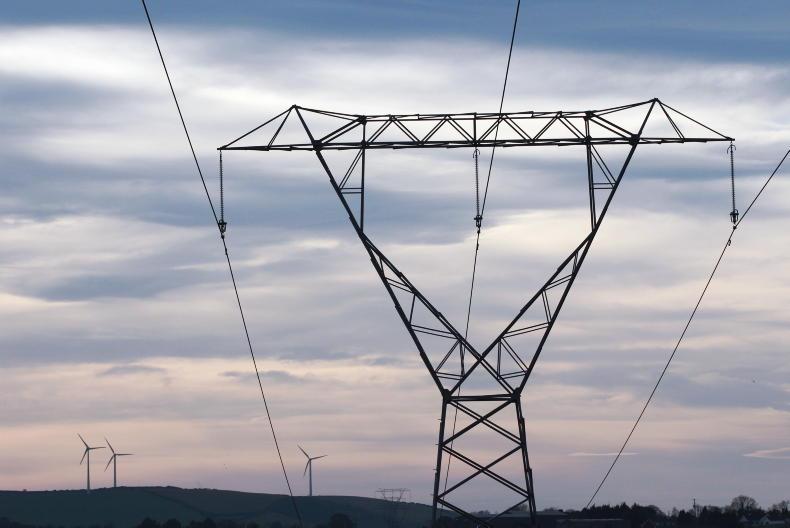
The designation of nine major projects as critical infrastructure will fast-track the approvals process, but will not affect the existing rights of farmers and landowners, agricultural consultant Richard Rae has said.
The Government designated the first nine projects under the Critical Infrastructure Act 2026 in July, covering major transport, water and energy developments.
The projects include MetroLink, the Cork Area Commuter Rail Programme and Galway City Ring Road, alongside the Water Supply Project for the eastern and midlands region, Greater Dublin Drainage Project and Limerick (Bunlicky) Wastewater Treatment Plant Upgrade and Bioresource Centre.
Three electricity projects – the North-South 400kV Interconnector, Moneypoint 400kV Series Capacitor Project and Letterkenny 110kV Redevelopment Project – were also designated.
Fast track
Under the legislation, public bodies must prioritise functions relating to designated projects and take steps to reduce the time required for authorisations. They are also required to allocate the administrative, technical and decision-making resources necessary to accelerate the process.
However, the Government has stressed that designation does not override existing legal requirements or determine the outcome of planning or other statutory processes.
Speaking to the Irish Farmers Journal, Rae said that from a farmer or landowner's perspective, the designation would not remove their existing rights.
Instead, he said, the principal effect of the legislation is to fast-track the applications and give the designated projects priority within the system.
CPO
Rae also advised farmers whose property may be subject to a compulsory purchase order (CPO) to ensure both their planning and land-title affairs are in order.
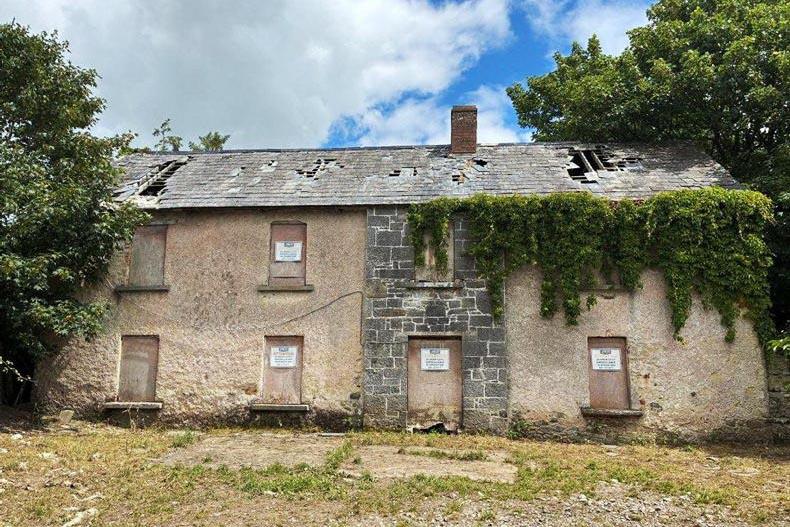
He said issues can arise where houses or farm buildings being acquired do not have the necessary planning status. This is regardless of how long the unauthorised building has been erected.
“If they're on the preferred route or if the preferred route is brought down to the actual route and they're losing a house or they're losing farm buildings, they need to regularise the planning,” he said.
“The seven-year rule means that you cannot be prosecuted by the local authority,” he said, adding that this did not necessarily mean a development was planning compliant.
Rae also warned that unresolved title issues could delay compensation payments.
Examples could include farmland remaining registered in a previous generation's name or historic rights, charges or other encumbrances remaining on the property title despite no longer being relevant.
“People need to get their title correct, because to get paid under a CPO, you have to present a non-encumbered title to the local authority,” Rae said.
The Government has said further critical-infrastructure designation orders will be brought forward at regular intervals.
Greenways
Rae also criticised the extent of greenway and active-travel infrastructure being incorporated alongside some new road projects, arguing that it can result in additional land acquisition and significant costs.
Rae said he had “no problem” with greenways in suitable locations, but described extensive provision alongside new roads as “an absolute waste of money”.
He pointed to the average cost of greenway projects, which was revealed at the Oireachtas agriculture committee this year to stand at €2m per kilometre.




SHARING OPTIONS