



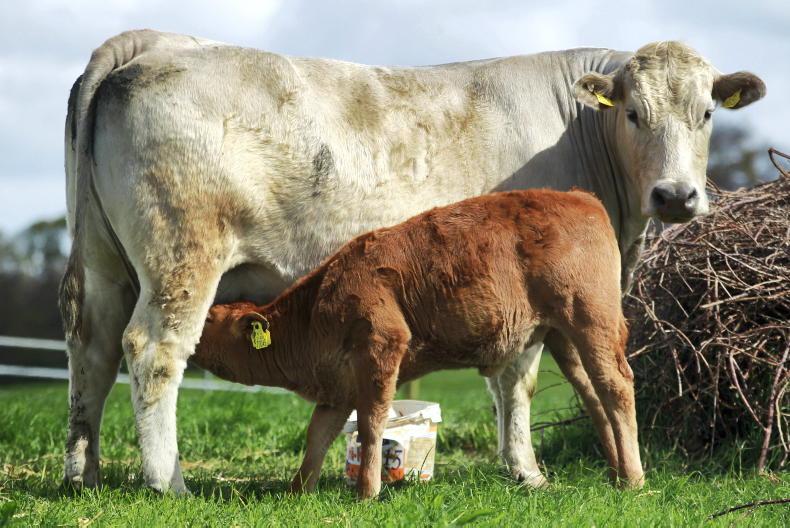
A massive contraction in European beef output for the first six months of this year has helped drive exporter demand for Irish weanlings and store cattle, Irish Farmers Journal analysis of Bord Bia data shows.
EU beef output to the end of June fell by 8% or 270,000t when compared to the same period in 2024, figures from member states show.
All of Ireland’s main export markets for calves, weanlings and store cattle – with the exception of Italy – recorded significant reductions in beef output.
Beef production in Spain fell by 20% in the first six months of this year compared to 2024, while the Netherlands dropped 26% and Belgium 7%.
Output was also well back in France (-3%), Germany (-7%), Denmark (-18%) and Poland (-14%).
“The shortage of finished cattle on the continent is driving the export market here for weanlings and stores,” said Seamus McMenamin, livestock sector manager with Bord Bia.
Bluetongue has also played a pivotal role in developments. The disease has not only restricted export activity between EU member states, but also hit calf numbers.
“Dutch veal units got 50,000 less calves from Germany this year, and this was due in large part to bluetongue,” McMenamin explained.
Meanwhile, bluetongue and the continuing contraction in the French suckler herd meant there were fewer French weanlings available for export to Spain.
“Ireland has been able to fill these gaps in the market because we have the calves and cattle and our livestock have a record of performing well for continental buyers,” McMenamin pointed out.
Exports of calves, weanlings and store cattle so far this year are running around 9% ahead of 2024.
Shortage
Ireland exported 305,000 head up to Friday, 22 August, compared to 280,000 animals for the same period last year.
Given the current shortage of cattle on the continent, McMenamin believes the outlook for the trade is very good.
However, he cautioned that the exceptional prices currently being paid for stores and weanlings had resulted a marked reduction in exports since early August.
Bord Bia figures show that while 8,611 weanlings and older cattle were exported in the first three weeks of August 2024, this year’s figure was just 5,236 animals, a 64% reduction.



SHARING OPTIONS