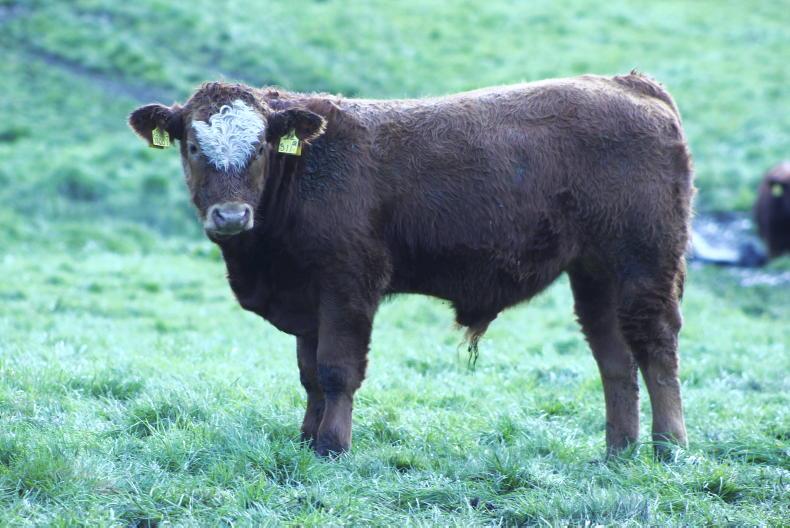
A call from exporters to get more farmers to vaccinate weanlings has been successful, according to vets.
“We would always be encouraging vaccination, but we have noticed a good uptake this year,” Meath-based vet Kevin Tomany told the Irish Farmers Journal.
“We noticed a good uptake on the injectable RSP vaccines, like Bovipast and Rispoval 2.”
Tomany said timing is key with vaccination programmes.
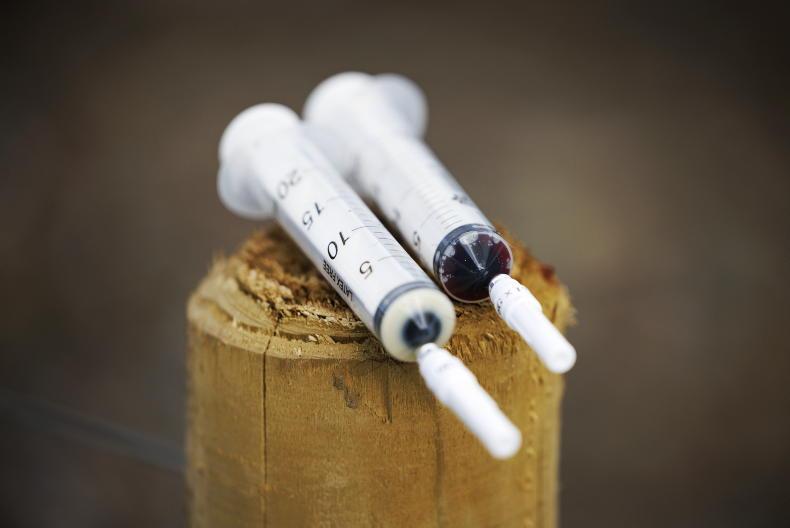
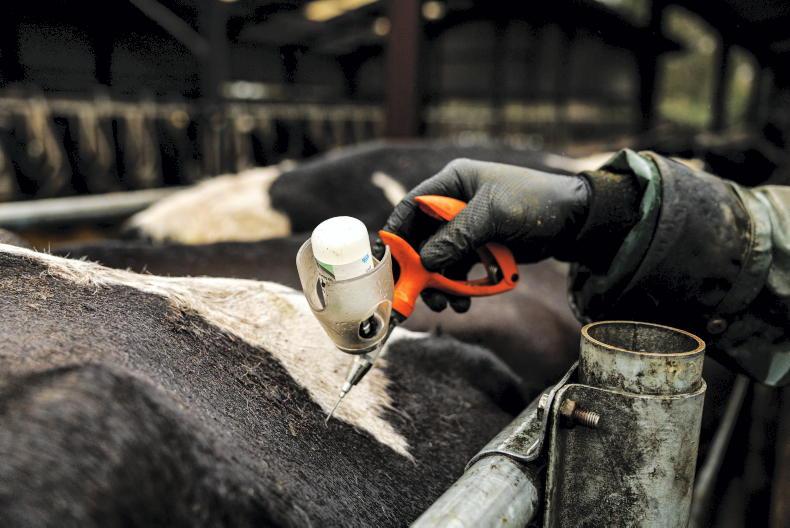
“A lot of the injectable RSP vaccines are two shots one month apart, ideally one in mid-August and the second in mid-September, well ahead of sale,” he said.
“Vaccines being given too late and vaccinating coinciding with concurrent stressors, is also an issue.
“If it is given concurrent to a stressful event such as weaning, castration, or dehorning, there is a cortisol response in the animal, and they won’t respond to the vaccine because their immunity is depressed.”
Chris McGrath of Comeragh Vets, Kilmacthomas, Co Waterford, also noted a good uptake on vaccines.
“Our preference is a two-dose protocol that will look after the bacterial element as well as the virus,” he said.
“A common mistake with vaccinating is leaving it too late. September is the month for action when vaccinating animals for housing.”
Common mistakes
McGrath said farmers also needed to not look at vaccination as a chore needing doing, but a “job that needs to be taken seriously”.
“Improper handling of the vaccine between purchase and administration happens more often that you might think. A bad fridge or a door left open, mean that through no fault of the vaccine, it won’t be effective,” he said.
Shane McCarvill of Balla Vets in Mayo said pneumonia and IBR vaccination should be a priority.
He said suckler farmers should give calves two shots of a pneumonia vaccine and one shot of IBR before they are weaned.