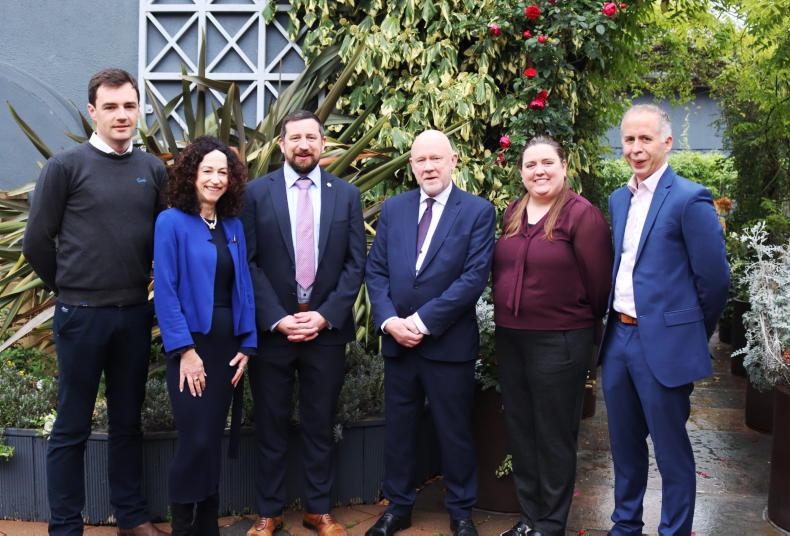
A central focus of the VistaMilk national methane summit was the progress made in breeding, with results on the day indicating that genetic differences between animals account for approximately 20% of the variation in methane emissions.
Unlike interventions that must be applied repeatedly, the benefits of genetic improvement are cumulative and long-lasting.
“By investing in methane genetics, the meat industry is demonstrating its commitment to finding practical solutions to reducing agricultural emissions,” chair of Meat Industry Ireland Philip Carroll stated.
“This research provides the knowledge and tools to breed cattle that naturally emit less methane, delivering reductions that accumulate from one generation to the next.”
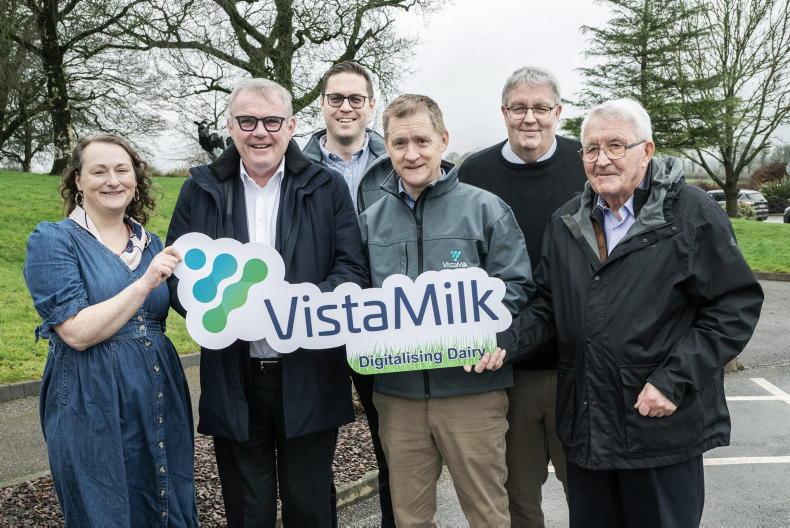
The event – ‘Innovation is changing the methane conversation’ – brought together researchers, funders, policymakers, industry, advisers and farmers to highlight progress in understanding and reducing enteric methane emissions from Irish livestock, Teagasc said.
The event also demonstrated how methane emissions are measured in cattle and sheep, with green feeds, portable accumulation chambers and other technologies, including sniffers, discussed on the day.
Reducing emissions
Fiona McGovern outlined research into different grazing strategies with the potential to reduce methane emissions, while Ben Lehart presented research on feed additives and explored practical scenarios for incorporating them into everyday farm management.
Results showed that methane reductions of approximately 20% to 30% are achievable through feed additives when animals are housed indoors.
Results from grazing experiments also highlighted potential for methane mitigation through supplementation with feed additives, although the level of reduction needs to be carefully balanced with animal performance effects.
These presentations illustrated how research findings are being assessed for practical use under Irish farming conditions, according to Teagasc.
VistaMilk
“The summit demonstrated the value of sustained collaboration across the Irish research and agricultural sectors,” deputy director of VistaMilk and head of the animal and grassland research and innovation programme at Teagasc Laurence Shalloo said.
“VistaMilk was established to develop and translate scientific excellence into real-world impact and the wide range of information presented here today is a strong example of that ambition.
“Through collaboration with funders, industry and the wider research community, we are generating the evidence needed to better quantify the enteric methane outputs of our animals and production systems.
"At the same time, we are developing the knowledge required to turn methane mitigation from a scientific challenge into practical solutions that are tested and evaluated in real-world settings.”
Communicating research
The event’s final session focused on new horizons and innovation in methane research. Alongside emerging technologies and new scientific approaches, it examined consumer perceptions and the importance of communicating methane research clearly and transparently.
“Alongside research into methane mitigation strategies, VistaMilk is actively examining how consumers understand and respond to emerging technologies and how their perspectives can inform research at an early stage,” funded investigator with VistaMilk and professor in marketing at University College Cork Mary McCarthy commented.
“As we look to the next generation of methane solutions, this research will help us identify questions and concerns and build trust with the wider public.”