



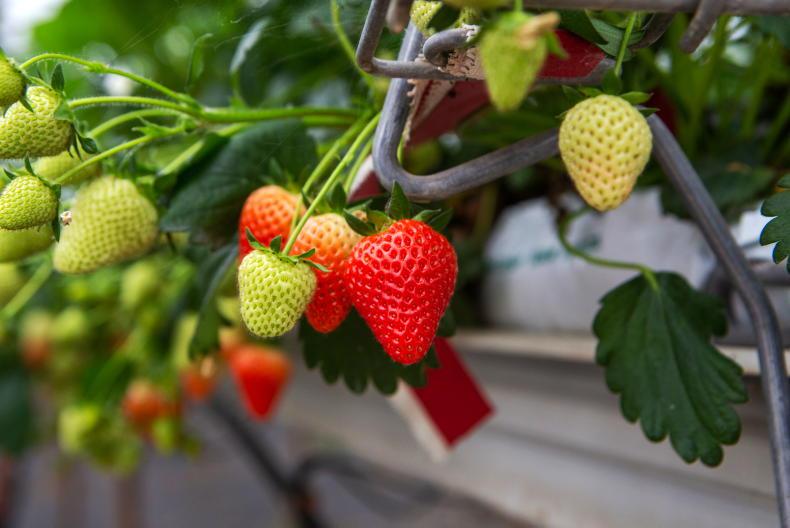
Horticulture growers hopeful for a permanent scheme capable of supplying non-EU workers with seasonal permits to travel to Irish farms to pick fruit and vegetables look like they will be left waiting at least another year before the Government moves to decisively solve the sector’s labour issues.
Another trial of the Seasonal Employment Permit Scheme is to run next year after a 2025 pilot threw up the finding that the system had “not been adequately tested”, as just 33 workers were approved through the scheme, 23 of which ended up travelling to work.
“The majority of failed arrivals stemmed from visa refusals, linked to inadequate employer oversight or due diligence of the recruitment agents they selected and poor agency practices in source countries,” the Department of Enterprise concluded in its evaluation of the 2025 pilot.
However, growers have put its failure down to the late opening date for applications that left many scrambling to find alternative labour arrangements to staff farms at the beginning of the growing season.
The Department’s recommendation that a second trial “begin in Q3 2026 for deployment in the 2027 season” is to progress, but the end of September is approaching without any application system yet announced.
The rerun comes as central and eastern EU member states are supplying fewer summer workers to staff Irish fruit and vegetable farms as their economies grow, boosting the attractiveness of local jobs.
Permanent scheme sought
“We employ 18 to 22 people depending on the what stage of the season we are at,” Irish Farmers' Association (IFA) soft fruit committee chair Niall McCormack told the Irish Farmers Journal on Monday.
“They are talking about having another pilot scheme and, frankly, growers want us to move on and have a permanent work permit scheme that works.”
A permanent scheme that promptly processes paperwork and which opens to applications from all growers six months before the labour is required on farms are among the criteria McCormack sees as necessary for a permit regime to work.
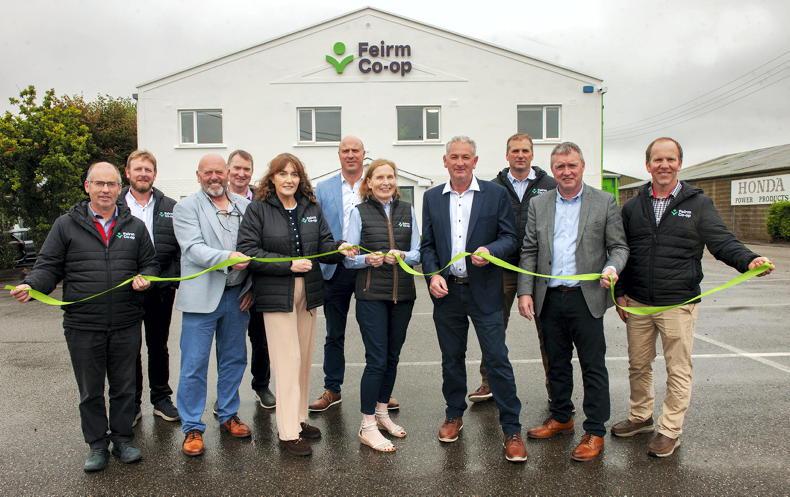
The IFA met with Minister for Enterprise Peter Burke, which was geared at getting progress on the horticulture sector’s worker permit issue, at McCormack’s strawberry and raspberry farm in south Longford on Monday.
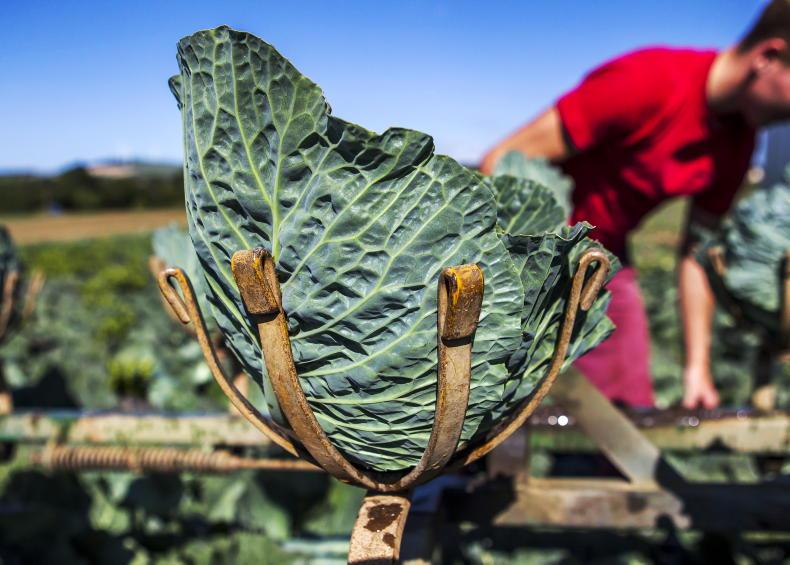
IFA president Francie Gorman said that the horticulture worker permit issue was one that growers have been grappling with for “nearly a decade”, as he warned the current permit regime is adding even further costs to a sector experiencing sky-high spending on inputs.
“We only have a percentage of the growers now that we had 10 or 15 years ago and what you will see happen is you will see the product coming in from abroad,” Gorman said.
“The reason farmers are exiting the business is that they are going broke. It is the cost of labour, the cost of energy, the cost of fertiliser, the cost of regulation.
“Right across the board, everything is hammering us.”
Challenged sector
McCormack stated that 2026 has been a particularly challenging year for the horticulture sector, which has been witnessing fewer and fewer growers with every season that passes.
“Last year, two growers in Wexford got out of strawberries and there doesn’t seem to be many growers with succession plans,” he commented.
“There are not many young people in the sector. The fruit and veg sector had 1,100 growers in the '80s, that’s down to around 60 or 70 specialist growers.
“When someone leaves the industry, that’s usually it. No one gets back in to replace them.
“That’s pretty serious for the food security of the nation if we don’t have a country that can produce its own fruit and veg.”
The strawberry grower said that the intense heat witnessed this summer pushed strawberries to ripen earlier than usual, which reduced yields.
“Wherever you go, overheads are getting higher. Costs are going up and up everywhere. The haulage on plants coming in from Europe, anything to do with plastic packaging and anything linked to petroleum, is gone through the roof,” he continued.
McCormack expressed hope that supermarkets’ recent signing of a retail agreement could amount to a “big thing for the sector” if growers’ margins are protected as a result.
“Soft fruit and veg hasn’t risen in line with inflation and this is one of the big problems. We are lagging behind and this is affecting growers’ margins.”




SHARING OPTIONS