



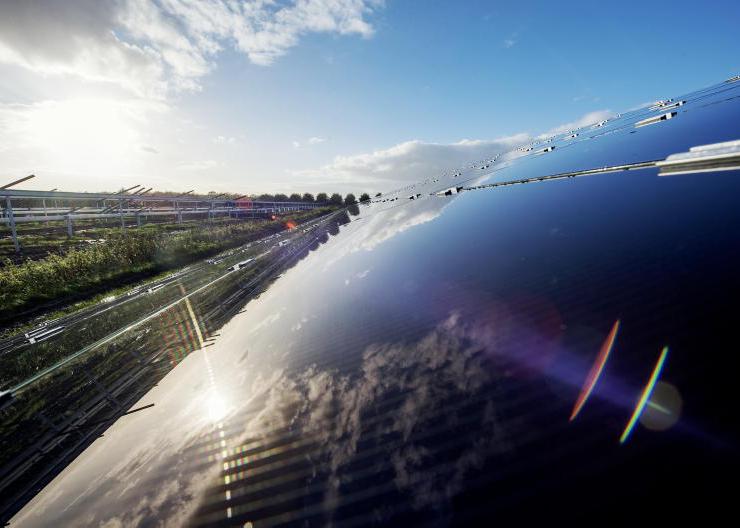
Two High Court challenges to planning permission for major solar farms in Laois and Cork have been dismissed.
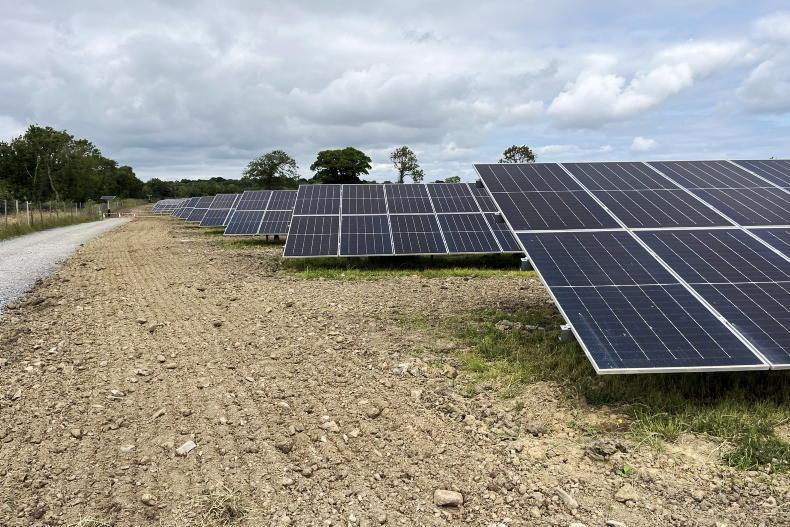
The cases concerned a 615ac solar farm in Co Laois, being developed by Perigus Energy Ireland Midco Ltd, and a 442ac solar farm in Co Cork, being developed by Ballysallagh Solar Farm which is owned by Terra Solar.
Laois solar farm
Tom and Claire Milner, Portlaoise, brought the judicial review against An Coimisiún Pleanála’s decision to grant permission for the development near Stradbally.
The Milners based their challenge on seven grounds, most of which centred on the requirement for an Environmental Impact Assessment report and the process used to determine whether one was necessary.
Their High Court challenge alleged failures in the assessment of land use, cumulative impacts, the scale of the project and proposed natural heritage areas.
In his written judgment, Mr Justice Humphreys said the applicants’ “underlying legal difficulty” was that “solar farms are not EIA projects”.
He found that the commission had carried out a precautionary EIA screening but said this did not make the EIA Directive apply to a project that was not otherwise covered by it.
Laois County Council granted permission in September last year, and the solar farm has a planned operational life of 40 years.
Mr Justice Humphreys said he would have refused to quash the permission in any event, pointing to the absence of proven environmental harm and the urgent, legally recognised need for renewable-energy infrastructure.
Cork residents’ challenge
Mr Justice Humphreys also rejected the judicial review brought by the Leamlara Preservation Group and its chair, Califf Delaney, against An Coimisiún Pleanála’s decision to approve the Ballysallagh Solar Farm.
Ballysallagh Solar Farm Ltd was originally refused permission by Cork County Council in September last year. The council cited concerns over the visual impact of the development in the rural landscape, potential effects on archaeological and cultural heritage, and surface-water runoff.
An Coimisiún Pleanála overturned the refusal in February, granting permission subject to 21 conditions.
The Leamlara group then brought its case to the High Court, arguing that there had been failures in the environmental assessment process, including the consideration of potential effects on bats.
Mr Justice Humphreys found that the group had not proved legal errors in the commission’s decision. He said the applicants had not made a developed case during the planning process on many of the issues later raised in court.
The judge also found that the commission had considered bat impacts.
In his written judgment, Mr Justice Humphreys said he would have refused to quash the permission even if an error had been established, due to the applicants’ failure to raise the arguments during the process and the “critical importance of renewable energy as underpinned by EU law”.




SHARING OPTIONS