



What is the primary purpose of the CAP?
It is a timely and pertinent question given that Ireland now holds the EU presidency and, with it, a lead role in the negotiations around the union’s farm policy for 2028 to 2034.
According to the Commission’s own website, CAP aims to: support farmers and improve agricultural productivity, ensuring a stable supply of affordable food, safeguard EU farmers to make a reasonable living and help tackle climate change and the sustainable management of natural resources. It also aims to maintain rural areas and keep the rural economy alive.
This is the question that inevitably mires the EU in fractious debates every five or so years
This is a very broad and contradictory remit for the EU’s flagship policy, and one that is open to extremely divergent interpretations.
Should CAP prioritise farm output, farm incomes, food supply or climate change?
This is the question that inevitably mires the EU in fractious debates every five or so years.
The recent pronouncements on CAP from various quarters within Irish farming have illustrated the stark domestic differences that exist on EU farm policy. These differences are mirrored right across the union.
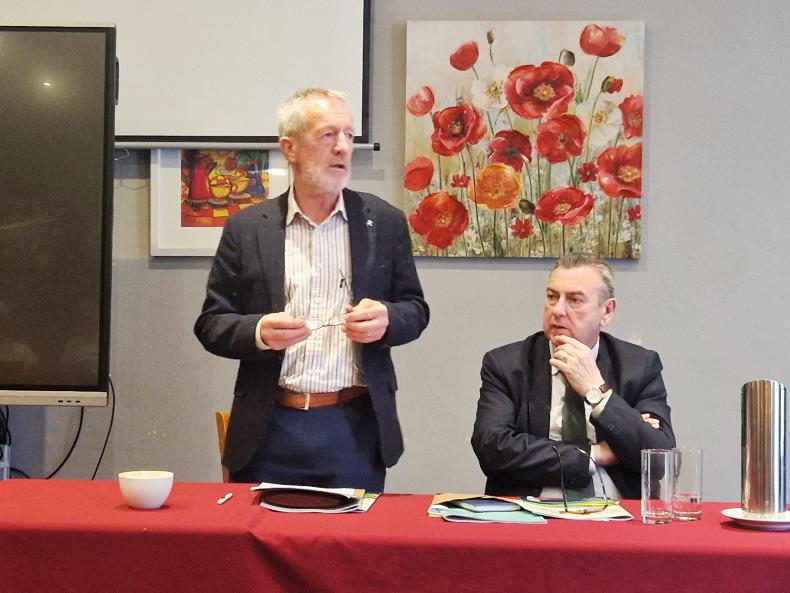
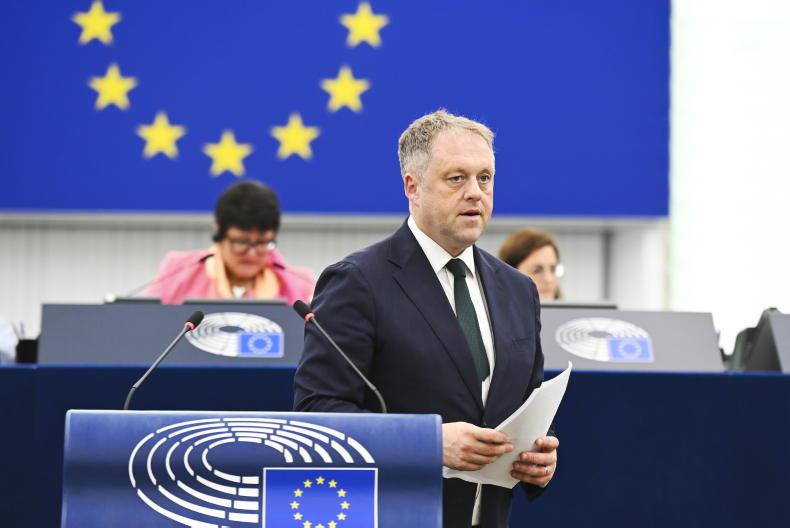
The reaction to Seán Kelly’s recent call for a clampdown on CAP payments to big landowners who carry very little livestock illustrated the contrasting positions on what constitutes genuine farming.
There are people receiving CAP payments who do no real farming activity “other than throwing a few cattle or sheep or donkeys on a couple of hundred or a couple of thousand acres of land”, the MEP claimed.
While Kelly failed to clarify whether he was talking of two cattle on a few hundred acres in Kildare or a few sheep on a hillside in the west, his comments struck a chord with some farmers.
ICMSA has proposed that a minimum stocking rate of 1.0LU/ha – with a lower rate applying to designated land – should form part of the definition of an active farmer.
Both ICSA and INHFA rejected the ICMSA proposal
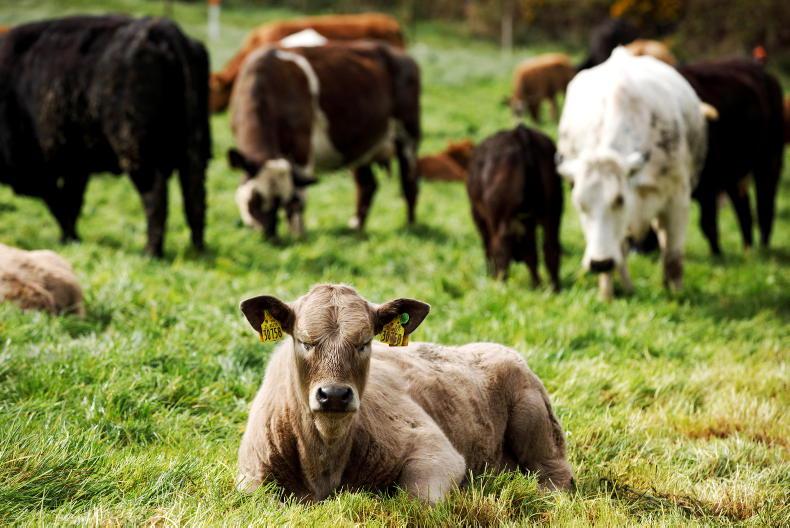
The current limit for CAP payments is 0.1LU/ha or the equivalent of one ewe per hectare.
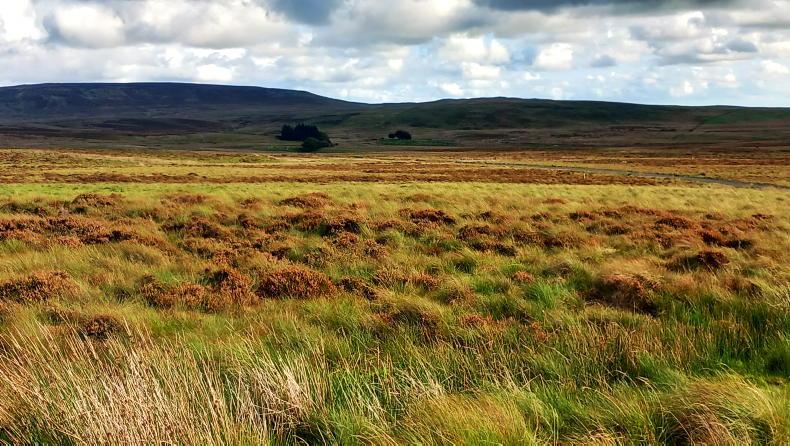
However, both ICSA and INHFA rejected the ICMSA proposal. Both organisations pointed out that the country’s hill ground cannot carry 1.0LU/ha.
They also maintained that limiting payments to extensive farmers flies in the face of CAP’s stated aim of safe-guarding incomes for the union’s most vulnerable food producers.
This spat is a foretaste of the CAP battles to come. And the discussions will get even messier once the environmental lobby laces the boots and gets onto the pitch.




SHARING OPTIONS