



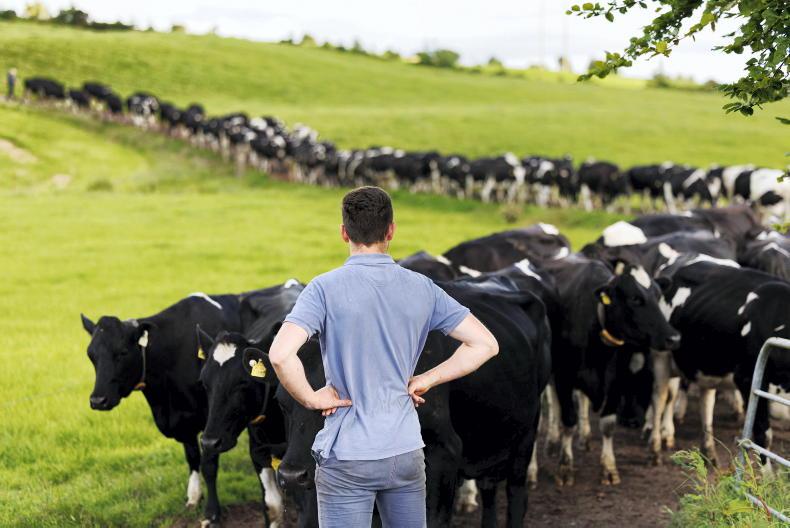
There is no shortage of ways to spend money on farms, but where should young farmers invest and how should they go about it?
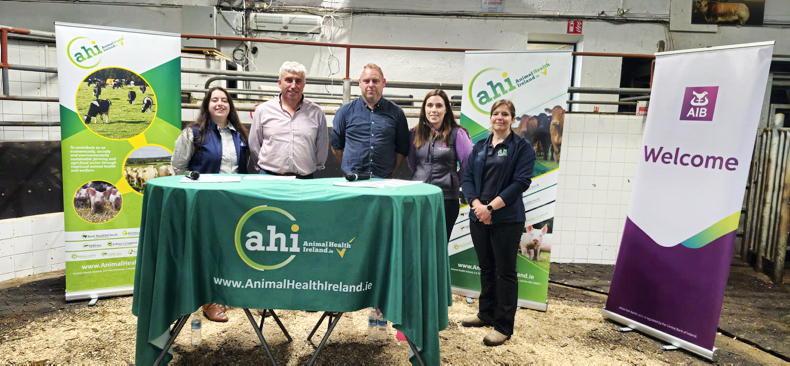
Head of agri food and fisheries with AIB Donal Whelton spoke with financial management specialist with Teagasc Kevin Connolly on key considerations for farm business plans in a webinar earlier this week.
Having personal goals in place is the starting point of a farm business plan, according to Whelton.
Before drawing down a loan or making an investment, young farmers must know where they want to take their farm and what do they want their business to look like in the next 12 months, in three years and in the next in the next five years.
"When making goals, it is important to do what's right for you, your family and the business," he said.
He warned that there can be a bit of peer pressure, but advised not to be influenced by what other people are doing.
“Just because somebody else is renting ground and expanding with extra stock doesn't mean it's the right thing for you.
“Decide for yourself what's right for you because everybody has options on how they want to farm. When you have decided that farm plan and everybody is agreed that you show that it's good, bring it into your financial institution.”

Any investment you are considering must be aligned with the long-term goals of that business, he added.
He said it is important to talk to stakeholders and take advice from your accountant, Teagasc adviser, co-op manager and discussion group about your plan and before making investment.
Don't go chasing a grant
While there are a lot of very useful, targeted grants for young farmers, Whelton explained that any grant availed of must make sense for the overall business.
“Just because there might be an attractive grant there, you shouldn't align your investment just because you want to avail of a grant.
“Certainly, if it's part of your plan and there's grant funding available for it, 100% you should have tried to avail of it.
“And if it was part of your plan in year three, year four or five and you want to bring that forward by 12 or 18 months, we're very openminded to that because it's strategically right for your business.

“But I certainly wouldn't encourage any farmer just to avail of grant funding if it's not aligned with where they want to take their business.”
Invest in assets you have
“It's critical, especially when you're starting out and building your track record in the bank, to invest in the assets that give you the best return, because cashflow can be tight in the initial years,” Whelton noted.
This could be improving soil fertility, improving grazing infrastructure and focusing on growing more grass.
“When you take over and you're the successor, it can take time for the cash benefit of any investment to become readily evident - it could take 12, 18 months, two years.
“If it's a large capital expenditure project, it could be three or four years before you really see the cash benefit of that investment in your bank account or in your back pocket.”
Under-promise and over-deliver
“A business plan is a living document. It's not a document that's just prepared for the bank because you're looking for finance,” Whelton said.
“It should be reviewed regularly. You should compare your actual performance versus your projected performance and that data should be fed back to your bank on a regular occasion, even when they're not looking for it.
He highlighted the importance of being proactive – "saying this is what I said I would do, but this is what I actually did".
“A business plan doesn’t have to be a fancy document. It can be a very simple plan, so that if anybody picks it up it, it's very evident about where this farmer is taking the business over the next number of years.
“A key piece of advice for anybody making their business plan is to try to under-promise and over-deliver.
“It's important to stick to the plan, even from a banking relationship point of view,” Whelton added.
“The initial three to five years when someone is starting out on their own, that can be the critical phase, when responsibility is increasing and they're taking on ownership and they become the person responsible, the one signing on the dotted line.”
Build a relationship with stakeholders
It's important to build a relationship with the key stakeholders in your business and surround yourself with the right people, according to Whelton.
"Keep the bank person informed about what's happening on your farm – when you're going well and also when there's a bit of volatility and you need support.
"It’s also important that you have a key relationship with your tax adviser, your accountant, with your co-op manager, with your discussion group, and view all these people as key stakeholders and you're learning.
"Every day is a learning day and you're learning from all these people."
Expectations
Whelton highlighted that it's important to have an open conversation with the successor as early as possible.
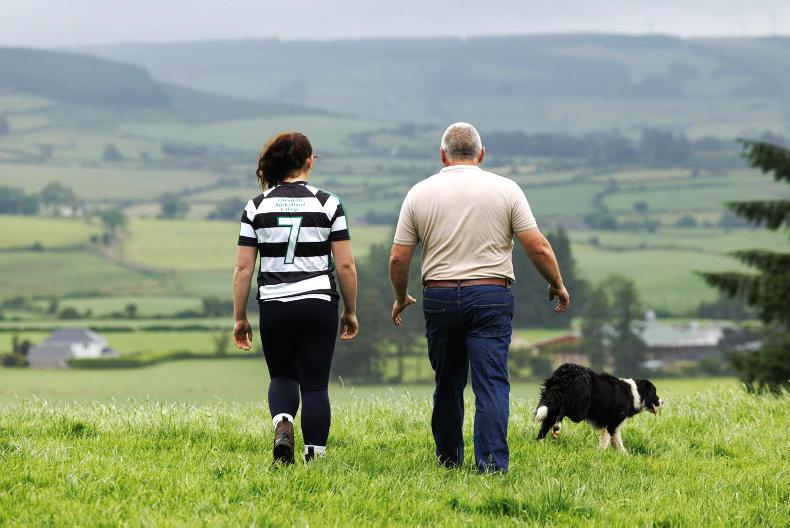
“I know these are tricky conversations, but it's important to set expectations about what that older generation about what they want from their farm going forward and what the successor or the person taking over wants from the farm.
“That needs to be realistic about what the farm can actually achieve and whether it's possible.”
Timely and properly phased succession leads to better business performance, Whelton remarked.
“Everybody knows about what's expected of them, what is expected from the farm.”
When having these conversations, Whelton stressed that it’s important to involve key stakeholders and to build the expectations into the business plan.
Financial stresses
“Financial stress is stress that no young farmer needs. They need to be focusing on building a good track record, improving their efficiencies on their farm and growing their business without that added financial stress of their business.
“We're here to support the farmer where they want to go with sustainable levels of debt."
Concluding, Whelton said for young farmers and successors to “remember it’s your plan; it’s your business. It’s about how you want to take your farm forward.”



SHARING OPTIONS