



A new campaign aimed at reconnecting Irish consumers with the origins of their food has been launched amid growing concern that younger generations are losing touch with farming and the people who produce what ends up on their plates.
Our Food Roots launched the ‘We Make Greatness from Grass’ campaign this week, which seeks to bridge what the organisation describes as a growing disconnect between food producers and consumers by using storytelling, social media and food culture to spark curiosity about Irish farming.
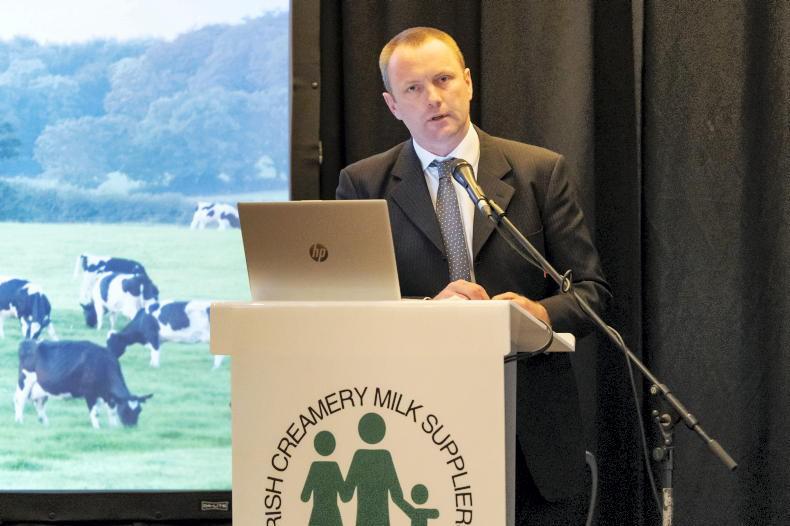
Speaking at the launch this week, executive director of Our Food Roots Tom Cronin said farming is often discussed through the lens of weather, rising costs, climate pressures and generational renewal, but that less attention is paid to the widening gap between farmers and the public.
"There is one thing we don't hear enough about and that's the disconnect between food producers and the people who eat the food," he stated.
The campaign comes as research carried out by Our Food Roots found that eight in 10 people are concerned that those aged between 18 and 30 are losing their connection with where food comes from, despite Ireland's international reputation for producing high-quality food.
Panel discussion
Speakers on the evening included Carina Roseingrave, dairy, suckler and free-range egg farmer and ambassador for the International Year of the Woman Farmer; Katie Gleeson, dairy farmer and social media influencer; and Eoin Sheehan, nutritionist, chef and beef farmer.
The panel discussed how the campaign reflects the diversity of modern farming, challenging the outdated stereotype of a farmer being “an old man in a flat cap”, by showcasing younger farmers, women and content creators working across the sector.
The speakers also argued that while Irish consumers continue to value local food, many have begun to take its quality and the work behind it for granted.
"We take it for granted how good Irish food is and all of our produce," Sheehan said.
Products such as Ireland's golden butter and award-winning beef are examples of the country's unique food heritage and quality which are often taken for granted the panel discussed.
Campaign
Rather than focusing on technical farming information, the new ‘We Make Greatness from Grass’ campaign has been designed to create an emotional connection between consumers and producers by highlighting the journey from farm to plate.
Organisers said the issue is not a lack of pride in Irish food, but a lack of consumers' proximity to farming.
"We know the pride is there. It's not the pride that's the problem, it's the proximity," marketing and communications with Our Food Roots Rebecca Carter told the audience, adding that farmers themselves need to become central voices in telling that story.

Throughout the discussion, speakers stressed that every meal begins on a farm, even if consumers do not always recognise that connection.
They argued that changing the public’s perception of farming means farmers need to communicate differently, particularly with younger audiences who increasingly discover information through social media rather than traditional channels.
Content creators involved in the campaign said an effective approach is to "meet people where they are", using cooking videos, online storytelling and everyday food content as entry points into conversations about agriculture.
In an increasingly crowded attention economy, audiences are more likely to engage with stories than facts alone, Gleeson said.
Clarkson’s Farm
One example cited was the popularity of Clarkson's Farm, which speakers said demonstrated that public interest in farming exists when it is presented through relatable, entertaining content.
The discussion also highlighted the changing relationship between farmers and the public, with Roseingrave saying today's farming community is becoming more open to inviting people on to farms and sharing everyday life online.
Farm visits for schoolchildren, social media content and direct engagement with consumers were identified as important ways of helping people understand how Irish food is produced.
Communication
Carter argued that many farmers underestimate how much knowledge they possess and that communicating in simpler, more relatable ways can make agriculture more accessible to people with no farming background.
She said that if a point of commonality can be found between farmers and consumers, it makes it easier to bring consumers in and spark their curiosity to learn more, in comparison with throwing a load of technical information at them.
The event also drew attention to farming's wider contribution to rural communities beyond food production.
Gleeson pointed to the network of milk truck drivers, vets, accountants, co-ops, farm shops and neighbouring businesses that rely on agriculture, describing farming as an ecosystem that supports local economies across Ireland.
Carter said that this campaign is intended as the first phase of a longer-term campaign, with the immediate focus on raising awareness rather than persuading people through detailed information.
"It's purely awareness at this stage, we're trying to spark the conversation and get people thinking about where their food comes from,” she said.
The launch concluded with potential for greater collaboration between the education and agriculture sectors, with speakers saying that giving children opportunities to visit working farms from an early age could help rebuild connections with farming and where their food comes from.


SHARING OPTIONS