



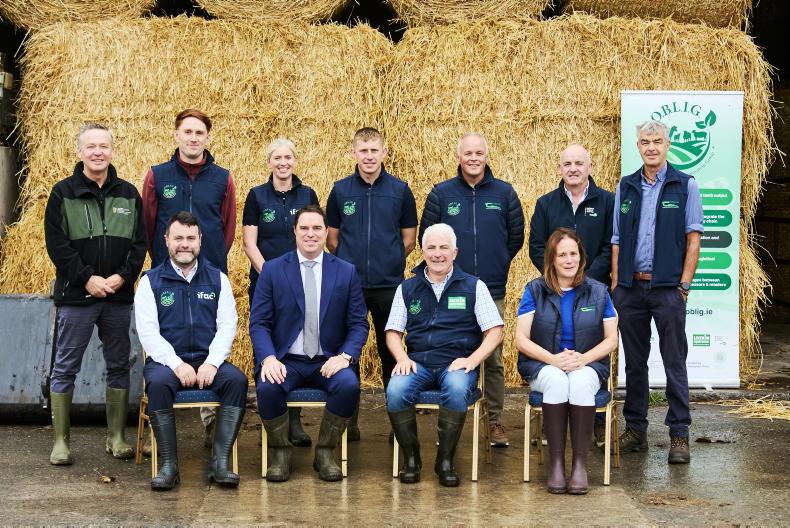
A new organic innovation group has been launched, which aims to connect farmers and processors and reduce the leakage of organically reared animals into the conventional systems.
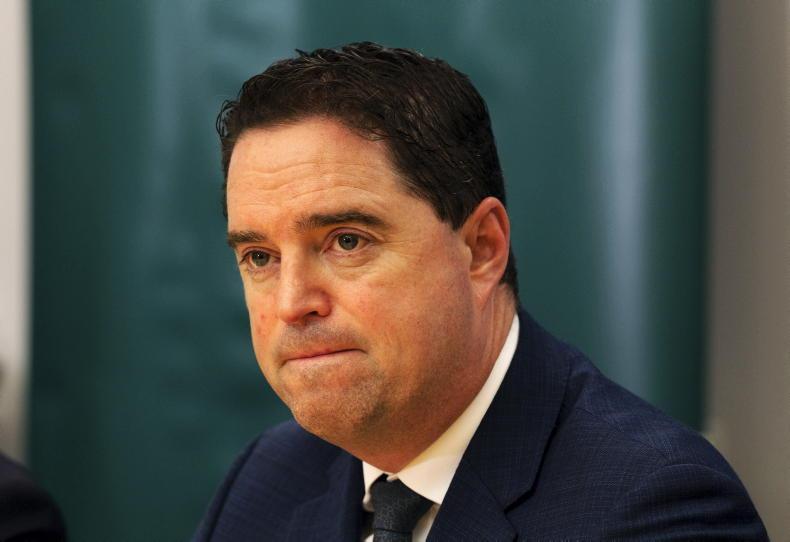
The Organic Beef and Lamb Innovation Group (OBLIG) was launched by Minister of Agriculture Martin Heydon on Friday.
The farmer-led group is an amalgamation between Teagasc, ifac, the Leitrim Farmers' Co-op and National Organic Training (NOTS), which offers transport, technical and financial support for organic farmers, aiming to ensure they get paid a premium for their organic product.
“The farmers have gone to the effort of rearing these animals organically, so we want to see them getting a premium price and the food being consumed as organic,” organic specialist with Teagasc Joe Kelleher told the Irish Farmers Journal at the launch of the EIP.
“Connecting people is the key thing. Connecting the hill sheep farmers in the west and the finishing farmers in the east and then connecting them with the processors. The same for beef – we are getting the weanlings out of the suckler herd, taking them on to finishing farms and connecting them with the processors.
“We are joining the dots all the way through the supply chain to make sure we can get as many organic cattle as possible and lamb on to the shelves and plates.”
The group came about from the National Organic Strategy, which targets €750m in organic output by 2030 and looked at how existing organic farmers can be supported.
Transport
“One of the issues we found is that the small-scale farmers weren’t inclined to take animals the distance required to a finisher or factory. We are trying to help – we have collection points where we can cover the cost of transport, to get the chain of cattle and lamb flowing through the system.”
Another issue is the lack of finishing farms, according to Kelleher.
“We have a lot of rearing farms – hill and sheep farms and suckler farms, but we could do with more finishing farms, so we are trying to support farms that are willing to finish."
Technical support
“We are helping them to establish forage crops – if they want to do multi-species swards, we assist them with that. We are trying to take the reliance off feeding expensive meal – we are looking at ways of having the lambs and cattle on high-quality forages as much as possible. So, we are giving technical support and financial support with that."
Despite leakage being a key issue for the sector, organic farming is on the rise and Kelleher is positive about its future.
"We have had great success with the scheme over the last three to four years – we have trebled the number of farms from under to 2,000 to now 5,600. The Organic Farming Scheme is a great financial support to farmers – it is working, we are getting farmers in."
Markets
"We do need more to happen in the markets side of it. It is projects like this that are helping that to happen.
"Bord Bia are doing great work in marketing Irish organic lamb and beef in European countries, particularly northern European, and if we can continue to grow those markets and find new homes for those products, then we can continue to grow the number of farmers to meet that market demand."
With a group of participating farmers already in place, OBLIG will recruit a second cohort of farmers throughout 2026, opening the project to more organic beef and lamb producers who want to connect with finishers, processors and retailers.


SHARING OPTIONS