



Revenues from on-farm milk sales have collapsed by a massive €615m or 24% through the first six months of 2026 compared with 2025, the Irish Creamery Milk Suppliers Association (ICMSA) has calculated.
And the farmer body has forecast that dairy incomes could nosedive by a whopping €1bn for the year as a whole.
An analysis of milk volumes delivered to dairy processors from January to June this year shows that the total value of these sales fell to €1.904bn in 2026 compared with €2.519bn for the same period last year.
The sharp slide in revenues is due to a 22% drop in milk price and a 1.3% reduction in milk output.
The average milk price for the first six months of this year was 42c/l, compared with 54c/l in 2025, while milk volumes were back 61 million litres to 4.589 billion litres.
Farms in Cork, Tipperary and Limerick experienced the biggest reductions in milk revenues.
The fall-off in revenues on Cork dairy farms was calculated at €145m for the first half of the year, Tipperary fell by €71m, while the drop in Limerick was €46m.
Kilkenny and Kerry completed the five most-impacted counties, with losses of €40m and €37.5m respectively.
Waterford recorded a reduction at €34.4m, with Wexford on €32.6m, Meath on €25.8m, Laois on €22m, Galway on €18m and Cavan on €17m.
The income drop in Offaly was €16.6m, Monaghan was €16m, Westmeath was €13.5m, Clare was €13m, Wicklow was €10.4m, while milk revenues in Donegal were back €9.2m.
'Particularly ruinous'
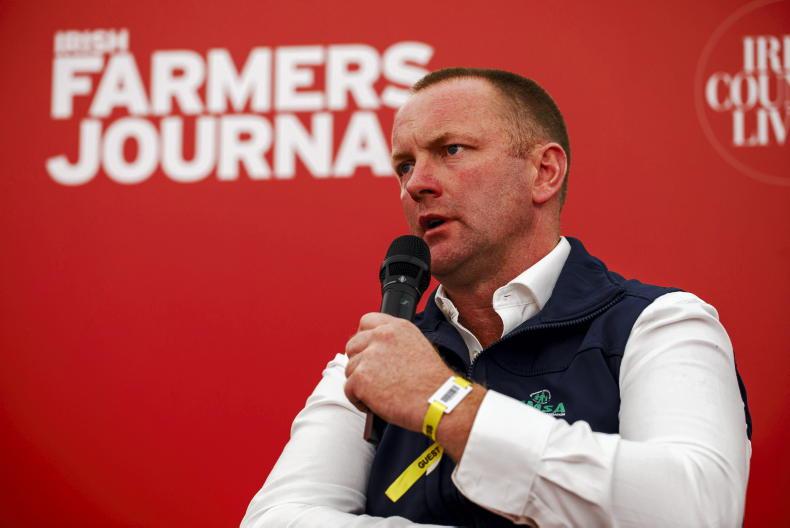
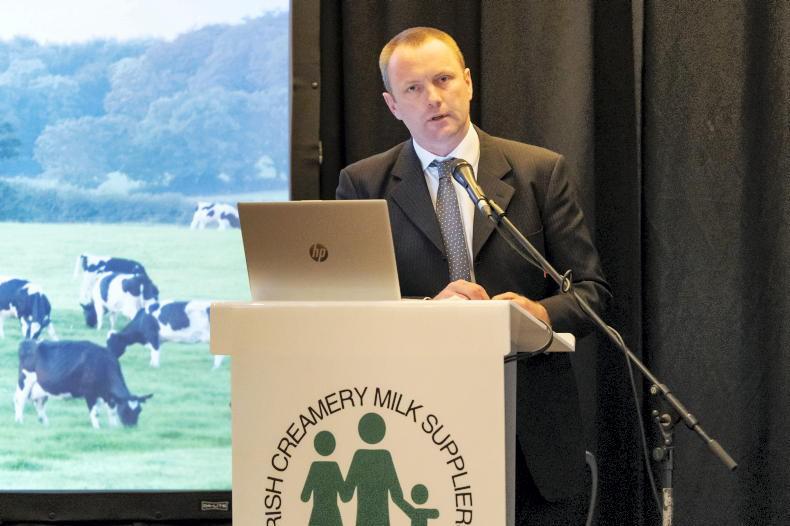
Describing the first six months of 2026 as “particularly ruinous for dairy farmers”, ICMSA president Denis Drennan pointed out that the milk revenue figures did not take account of “massively increased fuel and fertiliser costs” or weather-related costs, which he described as “huge”.
The ICMSA president predicted that the massive drop in milk revenues will have “profoundly negative effects on the wider rural economy”.
“When we dairy farmers catch a cold, those reliant rural businesses will catch pneumonia,” said Drennan.
“The standard and accepted economic multiplier for dairy income is to double it as it goes out the gate into the wider rural economy,” he explained.
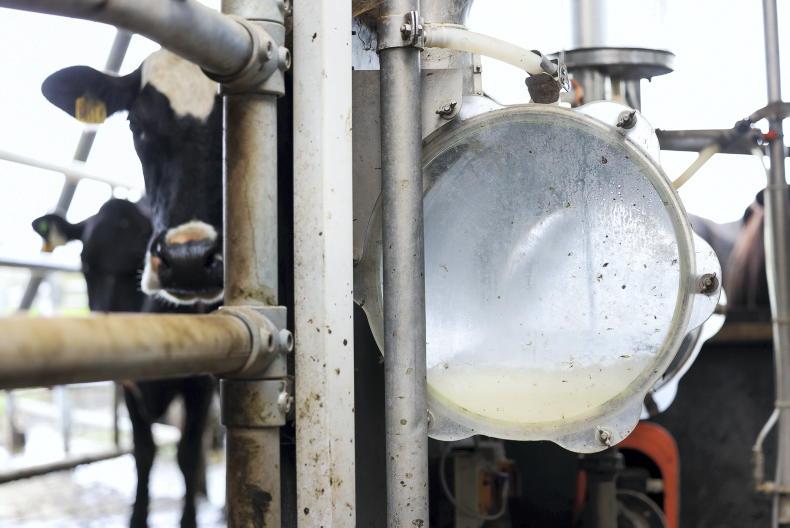
“If you look at a county like Cork that produces 23.5% of all the milk in the State, the income to Cork’s dairy farmers fell by €145m in just the first six months of 2026 compared to 2025. But that’s €290m out of Cork’s economy when the multiplier effect is taken into account,” Drennan said.
The ICMSA reiterated its call for Government action to tackle the issue of income volatility in the dairy sector.
“We have proposed several plans that would allow farmers to use Revenue-approved deposit schemes to smooth out annual earnings and avoid the kind of disaster we have this year when our members are getting tax demands now for earnings in 2025 – earnings that are long, long gone and eaten up by the grass shortage of this summer,” Drennan explained.
The Government appears to have chosen to keep dairy farmers trapped in a “boom-bust cycle” that works “against any idea of [income] predictability or security”, the ICMSA leader maintained.




SHARING OPTIONS