



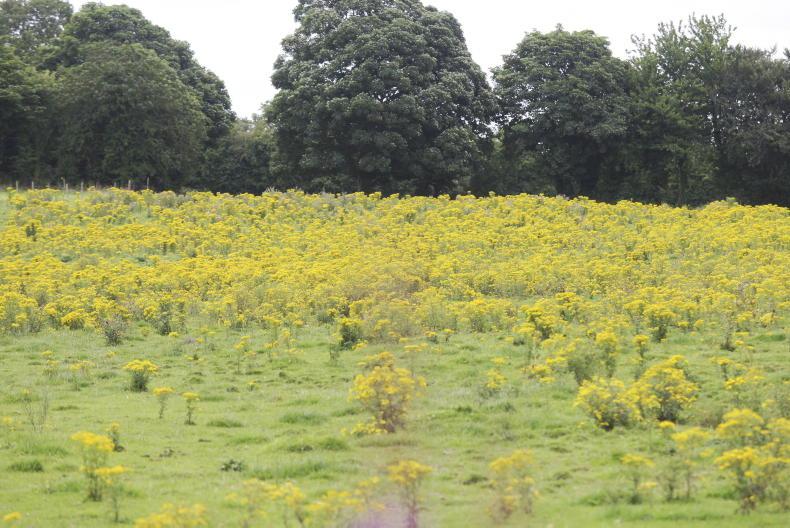
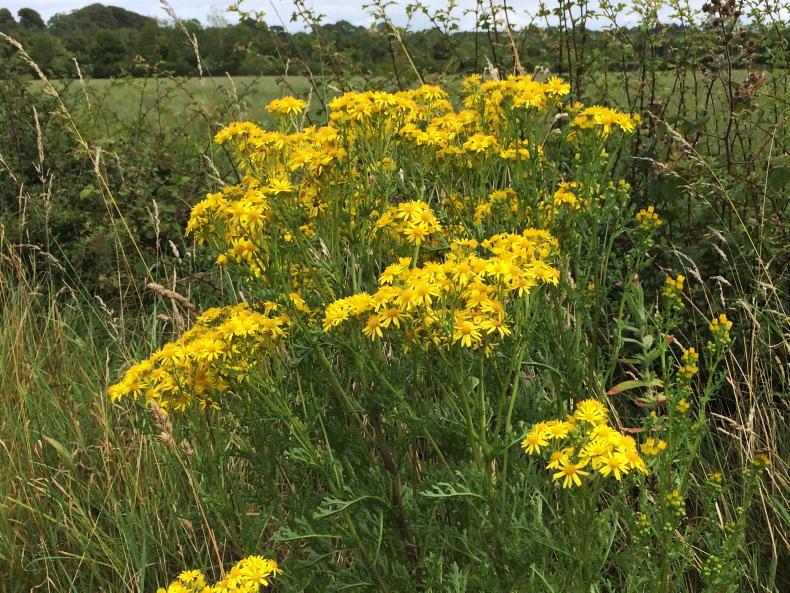
Ragwort seems to be a growing issue on the Irish landscape.
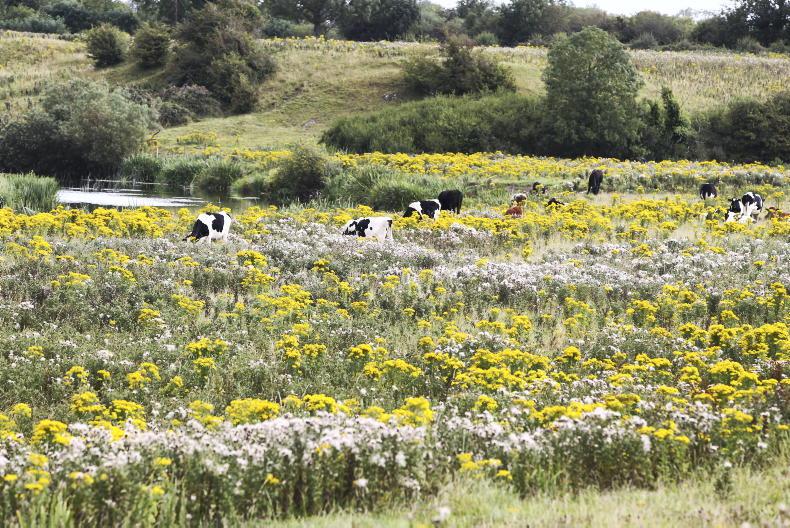
The yellow-flowering plant is increasingly seen along roadways, ditches, forestry, wasteland and also in grazing and forage swards.
Ragwort is a poisonous plant for many animals especially cattle and horses. Sheep are less susceptible but not immune.
The plant, when consumed, causes liver damage and the symptoms include generalised ill thrift, jaundice, bottle jaw, nervous/behavioural signs.
This year, I have seen a lot of photosensitisation – in these cases I would suspect ragwort to be a contributing factor.
Photosensitisation results as a secondary effect when an animal suffers from liver damage.
Perhaps this is because of the higher likelihood of it being consumed, as it tends to be more palatable when dried or wilted, and also as there is less grass available this summer, animals are more likely to consume ragwort when grass is scarce.
Diagnosis
Diagnosis is by history and clinical signs with some blood tests supporting a diagnosis.
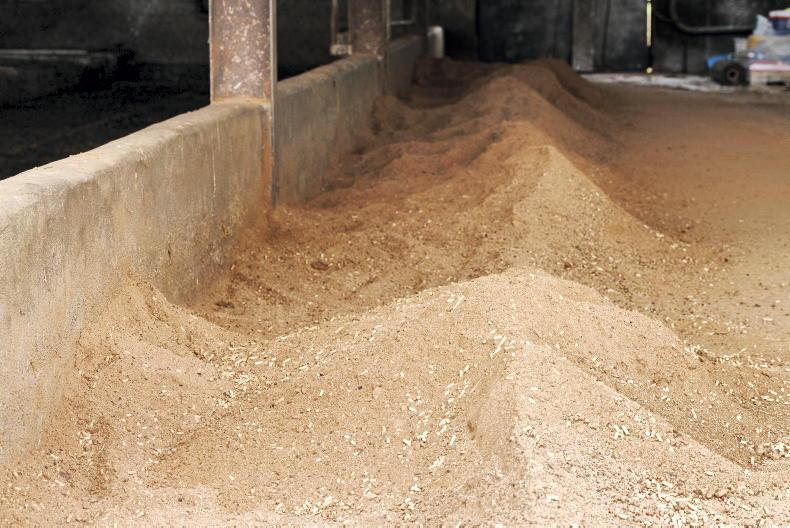
Animals generally don’t eat ragwort as it is unpalatable, but becomes a much bigger issue in dry conditions and in hay or silage.
The effects are cumulative, so the more an animal eats over time will result is more severe and extensive liver damage.
There is no specific treatment and supportive therapy is indicated but not very successful.
Prevention is obvious: avoid your animals having the chance to consume the plant. Unfortunately, removing ragwort from grass or forage swards is labour and time intensive.
If you suspect you have animals suffering from ragwort poisoning, you should contact your own vet for advice.
Donal Lynch, XLVets Slieve Bloom Veterinary, Co Offaly



SHARING OPTIONS