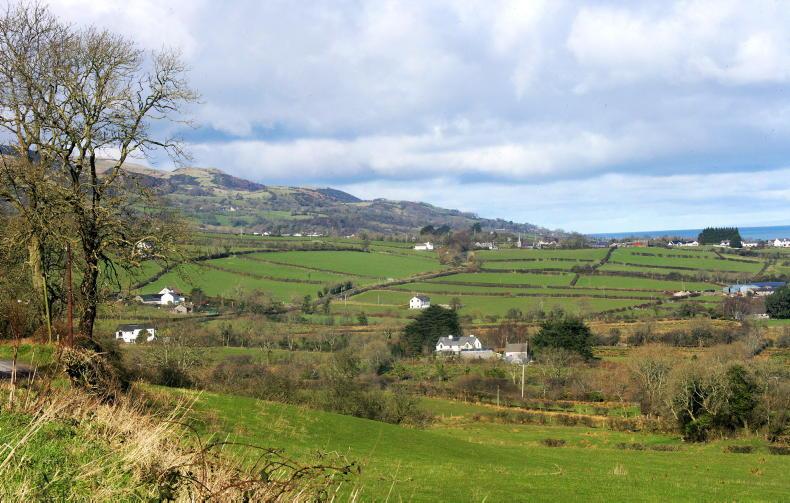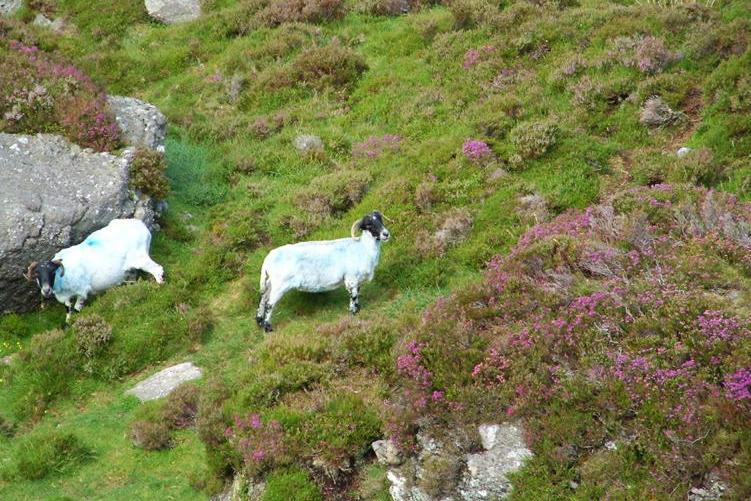
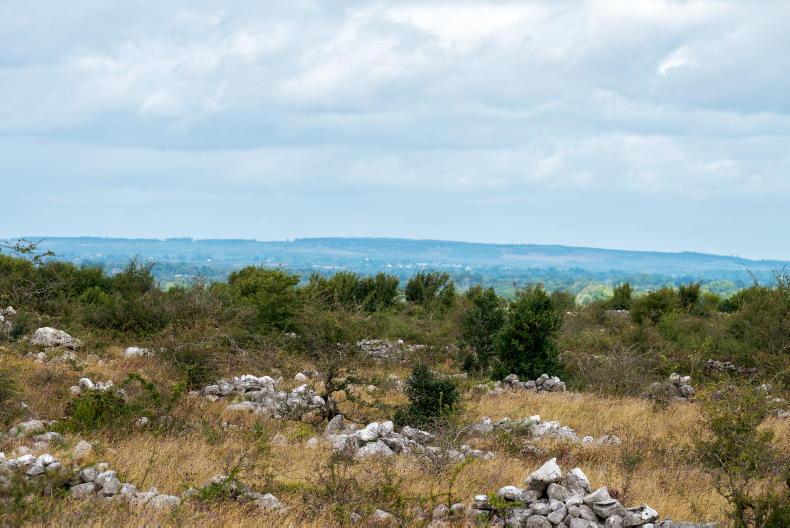
Covered by limestone rock, turloughs and an esker and home to species-rich calcareous grassland, the karst landscape of South Roscommon is finally being recognised for its ecological value through the Regenerating the Rocks EIP scheme.
Similar to the Burren, the karst landscape totals around 1,000ha, which is down on historic levels of an estimated 5,000ha, due to reclamation of land in the middle of the last century.
It is the only area of lowland, boulder-strewn, limestone glacial karst in the country, making it one of national importance, according to a Roscommon county geology report.
The EIP scheme rewards 50 farmers for farming their marginal land in a way which supports the rare and vulnerable wildlife and species in the area.
It aims to educate farmers on the ecological value of their land and teach them how to best farm it.
Co-funded by the Department of Agriculture and the EU, the scheme began in January and will last four years.
Challenging to farm
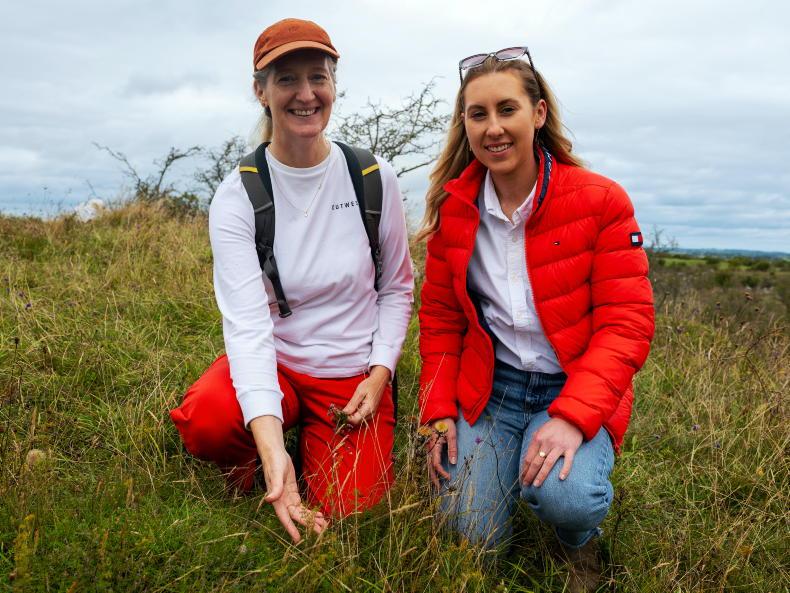
Describing the landscape, Kelsey Daly, the EIP farm project co-ordinator, said:
“It’s a challenging landscape to farm – the turloughs are flooded for half the year. There are rocks sticking out of the ground everywhere, there is no driving across this landscape.
“The farmers need to be encouraged to farm it and not leave it abandoned, which was the case for a number of years in some places.
“A lot of this land was penalised against in terms of BISS payments, so this is the first time that these farmers are going to be recognised for having rocks and scrub on their land. The farmers are being brought to life by that.”
Ecologist Linda Gilsenan, who works with the farmers involved, highlighted how rare and species-rich the area is.
“Our overall aim is to protect and raise awareness of the karst landscape of South Roscommon – the species-rich grassland, the turloughs and the esker. From an ecology point of view, I want it known that it is there,” she said.
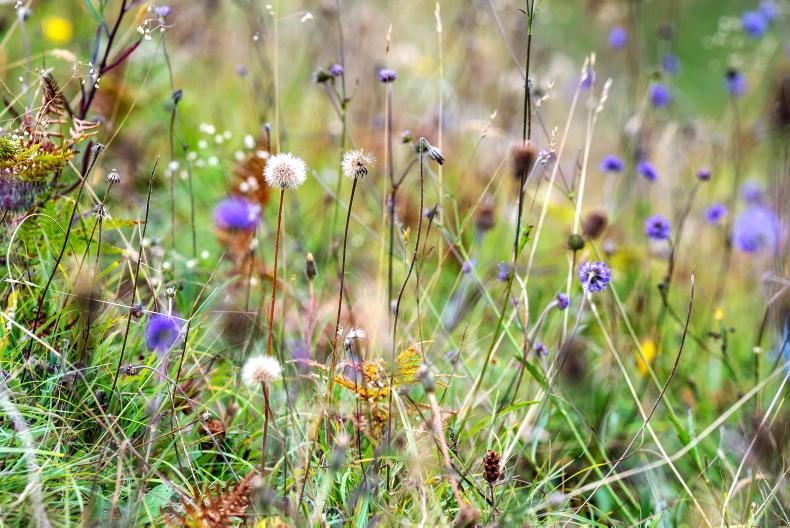
“It is so wildlife dense - you could find 40 species in a 2x2m, half of them might be grass and the rest could be wildflowers.”
EU protected habitat
“What’s interesting is it’s all on limestone. There’s no standing water; it is bone dry. There is a thin layer of soil, so when the rain falls, it goes down through the soil, so all the water is flowing underground to the turloughs. The whole landscape is connected – there is a big ecosystem here.
“The grassland is called 6210, it’s an EU-protected habitat.
“When we are surveying, we survey according to that standard – we are looking for specific species, orchids are a particular feature of this landscape.
“This would have been considered the poorest land, the worst land, the least productive land, and now there is a turnaround. From a biodiversity point of view, this land is so rich, and now there will most likely be a financial value attached to that because it is so rare.”
Gilsenan made it clear that the area is not a nature reserve and involves working farms.
“If farmers stopped grazing and farming, we’d lose the plant species. The grazing is a key part of it.
“When you live in it you can take it for granted, but since joining the scheme, the farmers realise how special it is and have started to look at it in a different way.”
Scorecard and action based
The EIP is scorecard and action based, similar to ACRES. Scorecards and surveys are carried out on the farms to gather data on species and scrub, and the farmers participate in Meitheal days and peer-to-peer learning.
Similar to a discussion group, the farmers are involved in peer-to-peer learning sessions where they are meeting on a regular basis and talk about topics that are relevant to them.
“The Meitheal days are where they work in groups of 10 together – building walls, reducing scrub, putting up fences - they get paid on actions like that,” Kelsey explained.
“It is quite similar to ACRES with the landscape actions, but working together brings the community together, and encourages the older and younger farmers to learn and mix, without being in a classroom setting.”
Farmers will get paid an average €4,500 per year, according to Daly. Due to the presence of the limestone rock, the area doesn’t get mucky and is ideal for winter grazing, she explained. Suckler farmer and scheme participant Eoin Glennon has always outwintered cows on his area of rocky land.
Happier cows
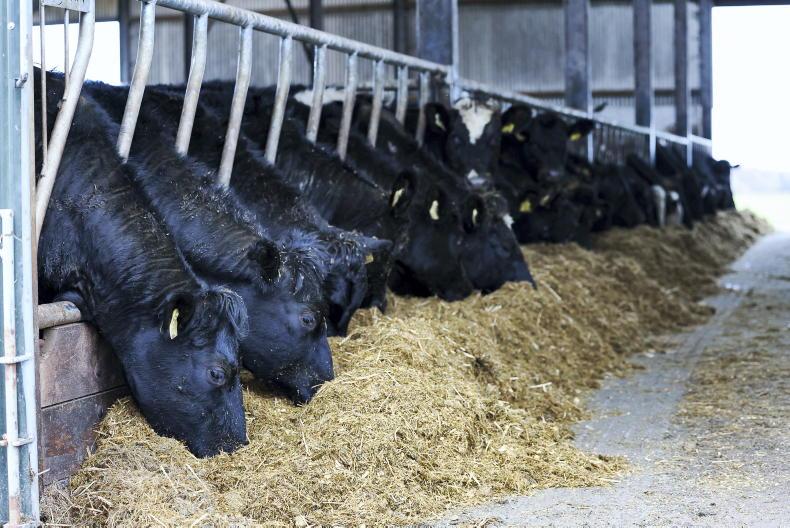
“I use the land as winterage. It is extremely rocky, rough land and it’s unreclaimable because it is so hilly. I leave it idle during the summer and keep the cows on it over the winter to keep them off the slats when they are in calf.
“The cows are a hundred times happier up there. They are so content lying out. The calves are better, they are hardier, the cows’ muscles are better. The chances to abort are high on the slats and the muscles seem to be weaker for pushing out the calf.
“They are keeping themselves stretched when they are outside. The difference getting a calf out of a heifer or a cow is night and day, compared to having them outside.
“From the scheme, I learned how special the area was. People had said it to me in the past that this is a unique landscape, but I never passed any heed, I never considered it to be in the same category as the Burren in Clare, but seemingly it is, so that was very interesting to learn.
Responsibility
“We learned about the flowers and went out with the ecologists and scientists, and they were showing us the flowers that grow. Years ago, I wouldn’t have been interested in that at all, but I enjoyed going out and seeing the unique species that were growing.
“I feel an element of responsibility being a caretaker of it while I’m around, it’s a privilege.
“It would be great if more farmers could get involved and learn about their own place.
“I’m grateful I was accepted into the scheme, it’s something I’m enjoying taking part in, I take it seriously, and I’m happy it’s here.”
Beef farmer Stephen Kelly said that while he knew a “small bit” about how rare the area is, he has got a “big insight into how valuable the land is” since joining the scheme.
“There’s a lot more than you think when you get the experts in talking about it. It is interesting, you understand it better and appreciate that those don’t grow anywhere else in Ireland, they are rare.
“Over the years we were told to intensify farming and reseed, but this is more valuable looking ahead with the environment.
“I rest it during the summer and graze it for two or three months in the winter, lightly stock it so it doesn’t get damaged.
“The scheme is good for the farmers. We are so busy on our own farms, if you don’t go to the mart, you don’t see each other. It gets all the neighbours together and gives you a break from the farm and clears your head.
“I would definitely encourage people to get involved, it is good for the farmers to be in a local scheme and be able to participate with each other. It teaches you a lot about the land that you’d never know otherwise.”
There was a big demand for the scheme, according to Kelsey; over 90 farmers expressed an interest, but there was only space for 50.
Farmers were chosen based on how suitable their land was for their project, the level of farmer interest and what actions they were willing to take up.
“We would love for our EIP to continue past the four years, that is something we are working on – to open up to more farmers and to keep the farmers we have,” said Kelsey.