



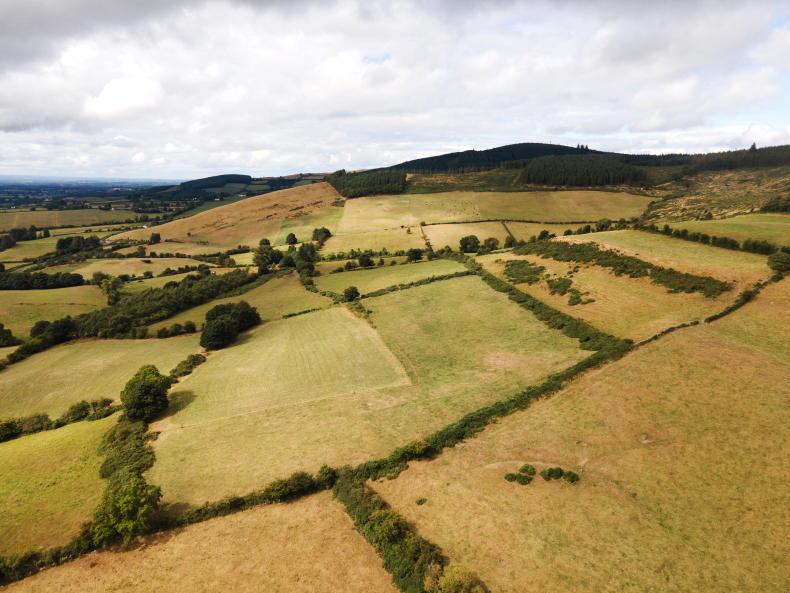
Teagasc has reiterated that fertiliser should not be spread until growth rates hit 35kg DM/ha/day as it called on farmers to prioritise the emptying of any slurry storage capacity used up when cattle were buffer fed as the closed period approaches.
Slurry could play a major role in delivering the remainder of 2026’s grassland nutrient needs on many farms in the most drought-stricken parts of the country, Teagasc has advised.
At Friday’s meeting of the national fodder and feed security committee, the latest Teagasc figures estimate that average grass growth rates across most of Leinster will not hit 35kg DM/ha/day next week and that Cork will remain just below this threshold.
The head of grassland at Teagasc Michael O’Donovan pointed to 1989 as a somewhat similar grass growing year to 2026, as an early August turnaround in grass growth after a summer-long drought brought growth rates of 60kg/ha per day by the end of September.
This equivalent year enabled an average of 12.7tDM/ha of grass to be grown across that year as growth bounced back with the arrival of rains.
“The most important thing we need to take away when we talk about fertiliser and grazing is farms need to be on long rotations,” O’Donovan the committee.
A 30 to 35-day rotation will allow farms to capitalise on soil nitrogen mineralisation that will provide the best growth response to rains.
“A maximum of 2,500 gallons will deliver enough nitrogen to top up your mineralisation rate and if you can dilute that with dirty water, it will help infiltration and getting it into the ground,” the researcher said of farms with low growth.
“We are not going with really heavy doses of slurry at this point. It is keeping it according to grass growth.”
The meeting heard calls for lessons to be learned from a fertiliser-heavy end to the 2026 fertiliser application season, which hit water quality without facilitating the boost in growth some farmers had been hoping.
Representatives of the fertiliser industry said that the mobilisation of EU fertiliser crisis funding of €15m – which can be topped up with up to €30m in Exchequer funds – must be a priority to ensure farmers have the nutrients on-hand to kick off the 2027 grazing season after a winter that will be tight for feed.



SHARING OPTIONS