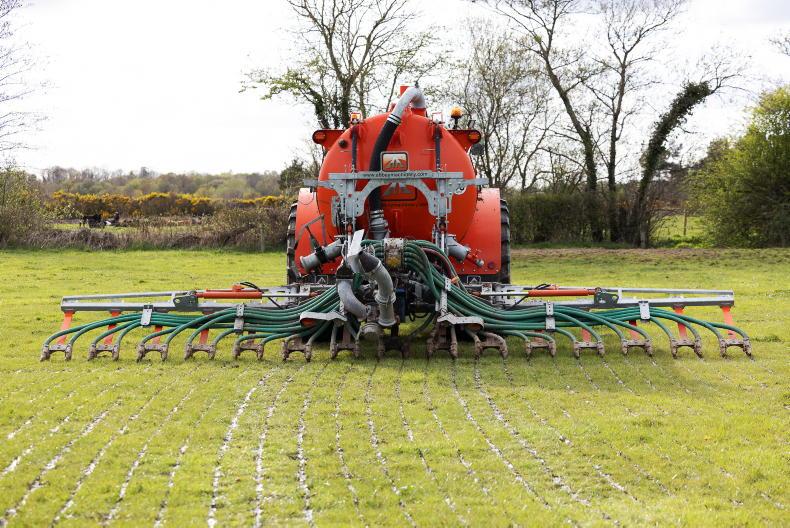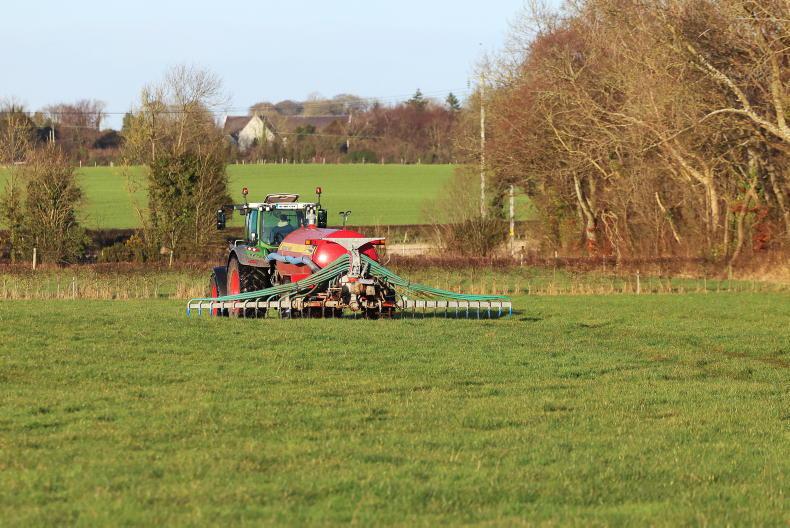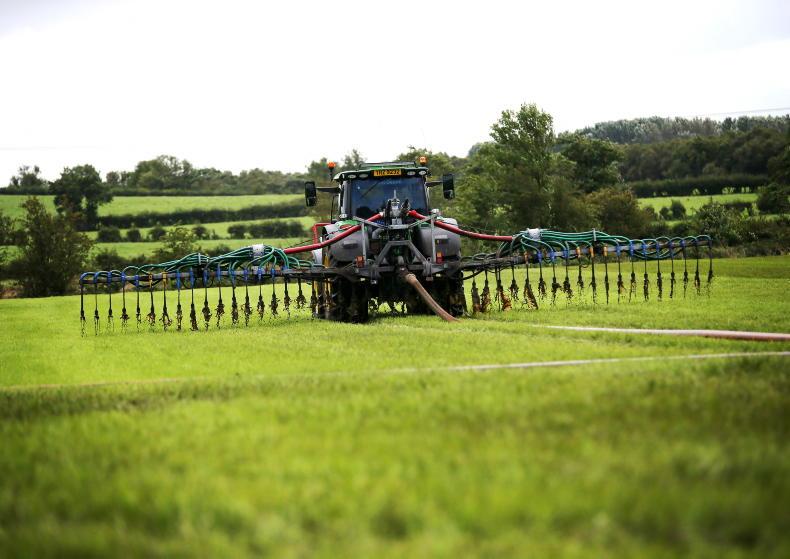
With the closed period for slurry spreading of 1 October looming, the Irish Cattle and Sheep Association (ICSA) has called for an extension to the deadline.
The organisation’s rural development chair Edmund Phelan said farmers need flexibility after the prolonged summer drought.
“Farmers badly need an extension to the slurry deadline this year. They were advised not to spread during the drought and now we finally have grass growing again.
“It would be criminal to expect farmers to cover badly needed grass with slurry simply to meet a calendar deadline, particularly in a year when fodder supplies are under such pressure,” he said.
Phelan believes farmers should be able to make decisions based on the conditions on their own farms.
Common sense
“If there is a good cover of grass now and a farmer is planning to take a cut of silage, it makes far more sense to let that crop develop and spread slurry afterwards, when the nutrients can be used by the following crop.
“We had a wet spring which delayed turnout and used up fodder reserves, followed by a prolonged drought which hit grass growth and made slurry spreading difficult. Now the rain has come, and farmers are trying to rebuild covers and protect what fodder they have."
He added that slurry is a valuable fertiliser, and one that farmers want to use properly.
"Farmers want to protect water quality and should be given the flexibility to spread slurry when conditions are suitable and there is no risk of run-off."
He called for "common sense" in what he described as an "exceptional year" so that farmers can make the best use of available nutrients, protect fodder supplies and avoid unnecessary costs.
Flexibility
The current deadline for slurry spreading is 30 September, with the closed period beginning on 1 October.
Regulations allow for an extension to 15 October in exceptional circumstances where the relevant criteria are met.
Phelan said the financial pressures facing farmers made the case for an extension even stronger.
“Farmers are already facing serious pressure from fuel and fodder costs. We cannot afford to waste valuable grass or nutrients.
"An extension would give farmers the flexibility they need to manage slurry properly while protecting water quality and making the best use of the grass available to them.”