The Department of Agriculture has spent €77.2m on bovine TB in the first nine months of 2026, bringing total expenditure on the disease to approximately €665.6m since 2016.
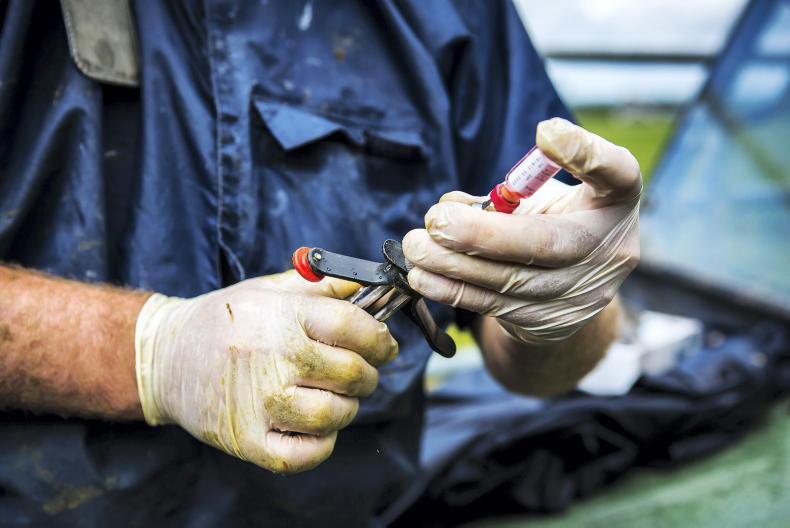
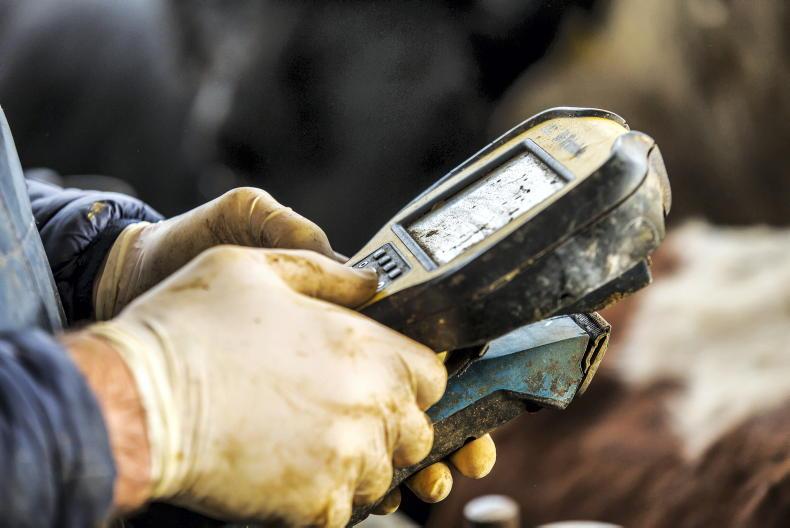
Figures to the end of September 2026 show that the Department has paid almost €11m to veterinary practitioners for TB testing since the start of the year, while a further €52.5m has been paid directly to farmers in compensation.
Compensation payments to farmers include payments under the On-Farm Market Valuation Scheme and supplementary support schemes, covering income supplement, hardship and depopulation payments.
On-farm market valuation in 2026 has increased by 9% to €44.4m compared with the first nine months of 2025; this increase is due to strong market values, the Department stated.
Between 2016 and 2025, the Department paid approximately €317.8m in TB compensation to farmers. A further €79.9m has been collected from farmers through levies over the period from 2016 to the end of September 2026.
Veterinary testing fees have also accounted for a significant proportion of the overall expenditure, with €112.1m paid to veterinary practitioners between 2016 and 2025.
TB incidence
The latest figures show some improvement in the disease situation, however herd incidence is still tracking higher than figures from 2010-2023.
Herd incidence stood at 5.4% in the 12 months to the end of September 2026, down from the final 2025 figure of 5.72%.
The number of reactors was down 9.5% in the 12 months to the end of September 2026, while the number of herds under restriction fell by 12% over the same period.
Badger measures
The number of areas targeted for badger vaccination increased by 1.2% in the first nine months of 2026 compared with the same period in 2025, with a total of 5,149 vaccination areas recorded.
Meanwhile, badger culling areas increased by 10.8% year-on-year to 4,333 in the first nine months of 2026.
Expenditure on wildlife measures decreased in the first nine months of this year, with spending down 6% to €5.6m in the first nine months of 2026.
A vaccine for bovine TB could provide a useful additional tool in efforts to eradicate the disease, according to the Department.
Research
“The main body of research on developing a vaccine for tuberculosis in bovine animals is being carried out by Department for Environment, Food and Rural Affairs (DEFRA) in the UK,” the Department stated.
“The Department continues to engage with DEFRA on this and is monitoring developments very closely.
“To date the biggest issue with a vaccine for cattle has been the lack of availability of a test that is capable of distinguishing between an animal that is truly infected and one that has been vaccinated.
“Research and development on such a test is ongoing as part of the overall work on cattle TB vaccines.
“In addition, current international trade certification rules prohibit the trade of livestock produce from cattle vaccinated for TB.
“So as well technical challenges relating to the vaccine itself, there are considerable trade constraints to be addressed before considering the deployment of a cattle TB vaccine.”