As a vet, I often get asked whether there is much grass tetany around, especially at this time of the year.
In truth, your vet is probably not the correct person to ask, because unfortunately you would get a far more accurate answer from your local knackery.
Grass tetany is caused by low magnesium levels in the blood, and is common in Ireland at this time of year because rapidly growing spring grass is often low in magnesium.
Heavy slurry applications cause increased potash (potassium or K) in soil, which interferes with magnesium uptake by the grazing animal.
Cold, wet weather reduces grazing and mineral absorption, and lactating animals need significantly more magnesium because they lose it in milk.
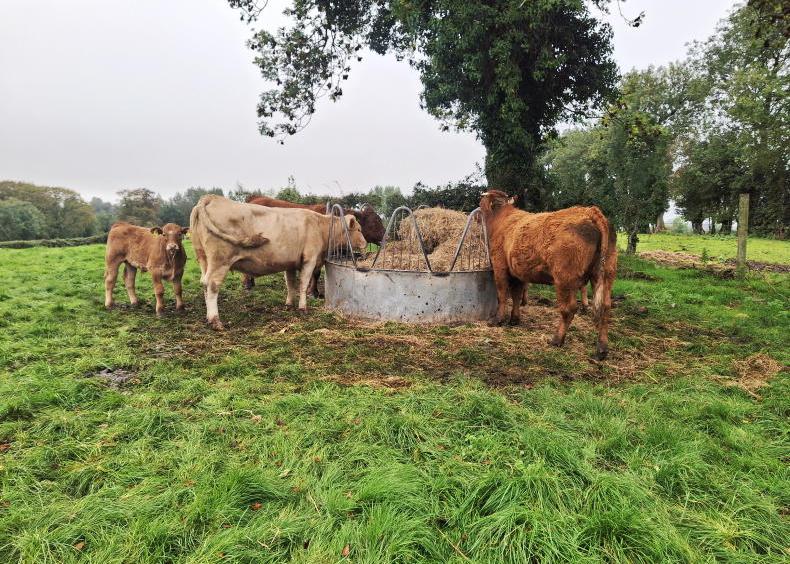
Therefore, an Irish spring, and especially one like we’re having this year, provides the perfect storm for grass tetany in our spring calving dairy and suckler herds.
As I alluded to earlier, sudden death is the most common clinical sign, but if you do catch it early, the animal will be staggering, excitable and may be aggressive before collapsing and paddling.
As with everything, prevention is better than cure.
Very often, cold weather and bad growth necessitates increased meal feeding in the parlour, and this can provide the necessary supplementation.
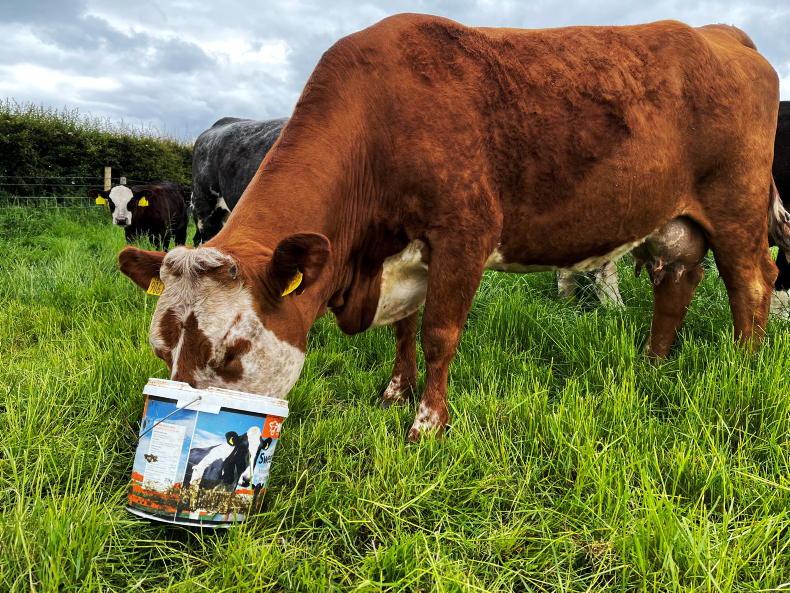
Other methods of supplementation are magnesium boluses, high-mag mineral buckets or licks, or cal-mag dusting on pasture.
Typically, cows need 30g of magnesium per day in high-risk periods.
Grass tetany is an emergency, and treatment involves careful administration of magnesium and calcium.
Remember to give pain relief.
Cows that have been paddling will be very stiff in the days following an episode due to muscle tearing.
Kieran O’Mahony MVB,
XLVets,Glen Vets,
Co Tipperary