



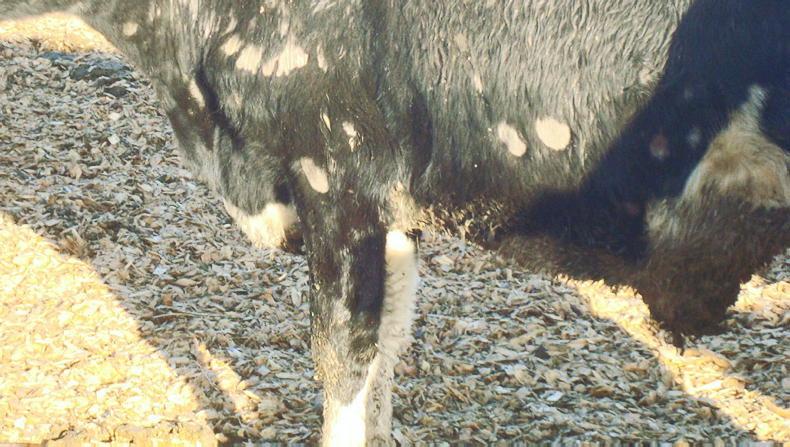
Lameness in sheep and cattle is something that is often accepted as a part of farming life.
This is probably correct; however, where lameness affects greater than 5% of any cohort of animals, it is a fixable problem, and successfully tackling the issue will yield multiples of the time, effort and money invested in greater performance.
This time of year often sees peak lameness in both sheep flocks and dairy herds.
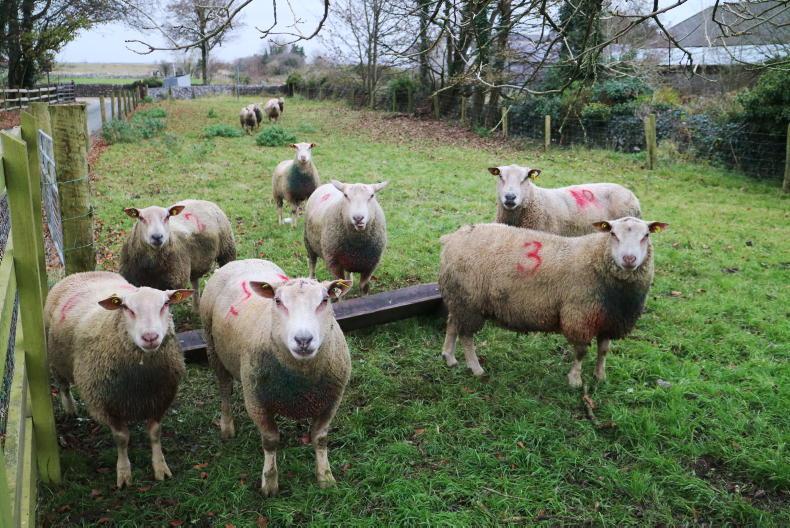
Sheep flocks are being readied for mating, replacements being bought in and grass is that bit softer. Foot scald can progress to footrot.
Lame ewes will have reduced reproductive performance and may need to be culled, and you should also consider the obvious animal welfare concerns it represents.
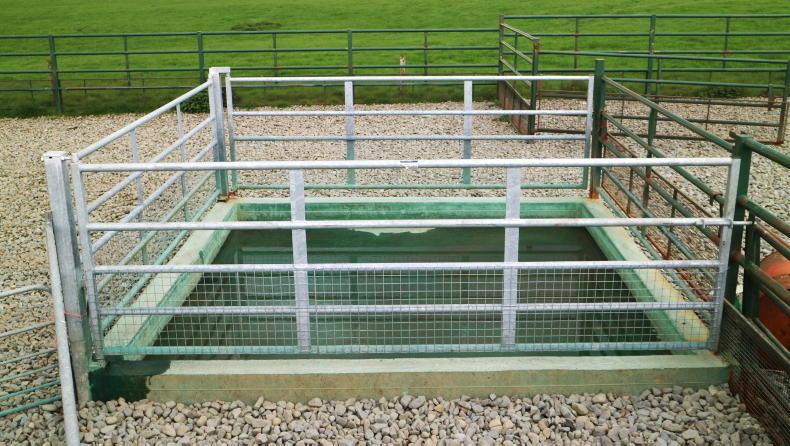
Quarantine protocols for bought-in sheep, foot- bathing sheep when gathered and the use of the five-point plan are the tried and trusted methods of keeping lameness incidence below 5%. Talk to your vet about reducing lameness if incidence is above 5%.
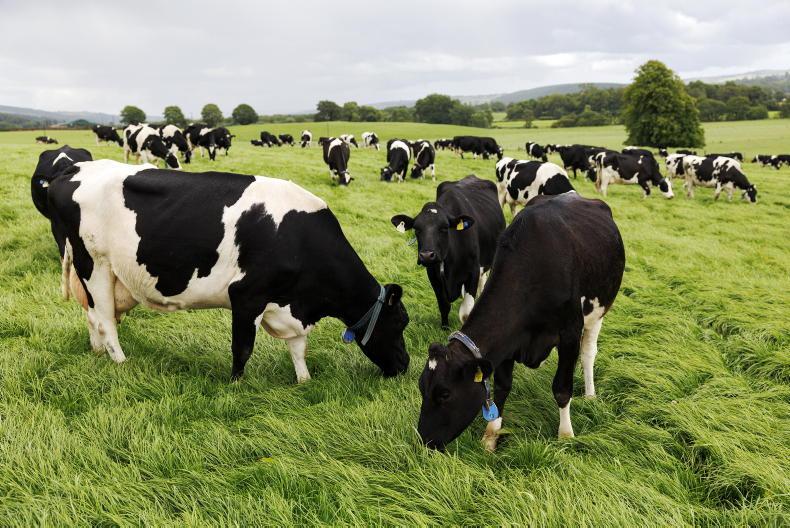
This time of the year is the ideal time to tackle it, when lambs are not a complication. Dairy cows have been walking the roadways since February and, like any group of long-haul walkers, any weaknesses in the hoof will have been exposed. Every herd is different; white line issues are most prevalent where roadways are long and in need of maintenance.
Where digital dermatitis is the main issue, an easing off of foot-bathing protocols is the likely cause.
Cows that may have lost condition during the drought have a reduced digital fat pad, which renders them prone to ulcers.
A lame cow will lose condition rapidly and, if not rectified in a timely manner, will not last in the herd.
Sorting these cows now, before housing, should be a priority on all dairy farms.
Talk to your vet about a plan of action to reduce lameness to below 5%.
Conor Geraghty, MVB Cert DHH, XLVets Farmgate Veterinary, Galway



SHARING OPTIONS