The recent spread of bluetongue to 11 counties should reinforce the logic of vaccinating both sheep and cattle against the disease, vets maintained.
Edwin Murphy of Adare Veterinary Clinic in Limerick said 80-85% of clients’ cows were vaccinated this spring and he anticipated the recent spread of the disease will result in those farmers vaccinating again.
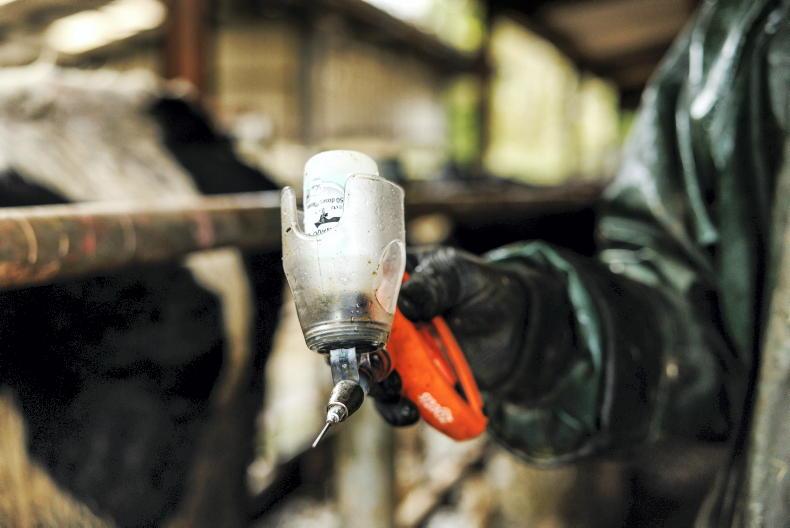
“We left it up to farmers themselves, but we said vaccinating herds was like taking out insurance – you don’t see the value in it until you need it,” he said.
Fertility issues
The fact bluetongue generally resulted in fertility issues and abortions convinced most farmers to vaccinate, he said.
The fact that those herds that vaccinated last year will only require one-shot in the spring is an added incentive, Murphy maintained.
Mountbellew-based vet Conor Geraghty said there had been no reported incidence of bluetongue in their area, but the recent spread of the disease had prompted a number of calls from farmers.
Most clients had vaccinated breeding stock last spring and were likely to continue to do so, now that the disease was spreading, he said. However, Geraghty said some sheep and cattle owners were unlikely to vaccinate for bluetongue unless there was a case nearby.
Department
The Department of Agriculture urged all farmers to vaccinate their stock.
“It is still worth considering vaccination against BTV-3 at this stage. Vaccination remains the most effective measure against the disease. BTV-3 is currently circulating extensively in Great Britain. There are reports of multiple cases and a variety of clinical signs including mortalities in cattle and sheep,” the Department said.