The supply of lambs this spring could be limited by a lower carryover of 2018-born hoggets and fewer early lambing ewes with a reported lower litter size. \ David Ruffles
There appears to be a lot of potential for strong market performance for at least the first six months of 2019. Supplies are likely to be even tighter than spring 2018 where the supply-demand balance was firmly in producers’ favour and prices for hoggets exceeded €6.00/kg and lamb prices topped €7.00/kg for a sustained period.
ADVERTISEMENT
Added to the mix are reports of fewer early lambing ewes with a lower litter size and possibly a lower carryover of 2018-born lambs. This could be partially offset by farmers drafting more ewe lambs if spring prices present a better opportunity than carrying hoggets through to breeding sales.
The fact that Easter (Sunday 21 April) and the start of Ramadan (Sunday 5 May) are just two weeks apart will also intensify demand, with Eid al-Adha (11 to 15 August) likely to once again drive peak factory throughput.
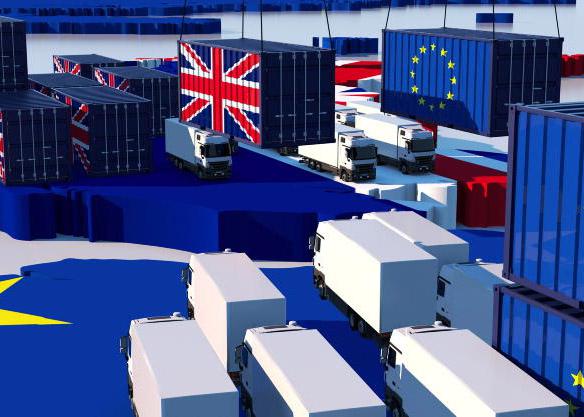
The big unknown which may disrupt all forecasts is Brexit. It could present market opportunities for Irish sheepmeat but it could also be very damaging.
Southern plants processed more Northern Irish-born sheep in 2018 than Northern factories, with 432,352 sheep imported for direct slaughter while 62,766 sheep classified as store or breeding sheep were imported to southern farms. An unfavourable Brexit deal could limit this supply channel while a barrier to trade would remove a source of competition from northern farmers and also leave the northern sheep sector struggling in the short term at least to cope with higher supplies.
The last and big unknown is something that is totally outside of farmers control – weather. The mild winter has been kind to sheep farmers but after a year with storms, heavy snowfall and drought many farmers will be hoping for a year with less extremes and lower weather-related costs.
Register for free to read this story and our free stories.
This content is available to digital subscribers and loyalty code users only. Sign in to your account, use the code or subscribe to get unlimited access.
The reader loyalty code gives you full access to the site from when you enter it until the following Wednesday at 9pm. Find your unique code on the back page of Irish Country Living every week.
CODE ACCEPTED
You have full access to the site until next Wednesday at 9pm.
CODE NOT VALID
Please try again or contact support.
There appears to be a lot of potential for strong market performance for at least the first six months of 2019. Supplies are likely to be even tighter than spring 2018 where the supply-demand balance was firmly in producers’ favour and prices for hoggets exceeded €6.00/kg and lamb prices topped €7.00/kg for a sustained period.
Added to the mix are reports of fewer early lambing ewes with a lower litter size and possibly a lower carryover of 2018-born lambs. This could be partially offset by farmers drafting more ewe lambs if spring prices present a better opportunity than carrying hoggets through to breeding sales.
The fact that Easter (Sunday 21 April) and the start of Ramadan (Sunday 5 May) are just two weeks apart will also intensify demand, with Eid al-Adha (11 to 15 August) likely to once again drive peak factory throughput.
The big unknown which may disrupt all forecasts is Brexit. It could present market opportunities for Irish sheepmeat but it could also be very damaging.
Southern plants processed more Northern Irish-born sheep in 2018 than Northern factories, with 432,352 sheep imported for direct slaughter while 62,766 sheep classified as store or breeding sheep were imported to southern farms. An unfavourable Brexit deal could limit this supply channel while a barrier to trade would remove a source of competition from northern farmers and also leave the northern sheep sector struggling in the short term at least to cope with higher supplies.
The last and big unknown is something that is totally outside of farmers control – weather. The mild winter has been kind to sheep farmers but after a year with storms, heavy snowfall and drought many farmers will be hoping for a year with less extremes and lower weather-related costs.
If you would like to speak to a member of our team, please call us on 01-4199525.
Link sent to your email address
We have sent an email to your address. Please click on the link in this email to reset your password. If you can't find it in your inbox, please check your spam folder. If you can't find the email, please call us on 01-4199525.
ENTER YOUR LOYALTY CODE:
The reader loyalty code gives you full access to the site from when you enter it until the following Wednesday at 9pm. Find your unique code on the back page of Irish Country Living every week.






SHARING OPTIONS