



Nobody pretends that funding for the Common Agricultural Policy (CAP) will emerge unscathed from the current negotiations on the shape of the EU budget for the next seven years.
We may or may not have an overall agreement by the end of this year. Having the presidency of the European Council gives us the opportunity to introduce new ideas to the mix.
Never from an Irish agricultural point of view have the risks and, it should be said, have the possibilities been greater.
Risks
The risks have been spelled out at the recent series of IFA meetings on the subject, but as the Irish budgetary arithmetic becomes clear, it’s obvious that we are in a totally different national situation to other member states. Not only are we looking at a large national budgetary surplus; we are also looking at a new version of the CAP that is going to offer flexibility to member states to top-up farm incomes to their own farmers.
Ireland is one of the few member states willing to contribute more to the European budget and to the CAP. That’s all very well, but in the absence of our willingness being matched elsewhere, why not keep the money at home?
Generational renewal and volatility are the current buzzwords. Both can be addressed through taking a fresh approach.
The key requirement for us is market access for the products in which we produce a surplus, as well of course as income protection for farmers. For products to which we are exposed to large-scale competitive imports, consistent income protection is essential. We in Ireland farm in a very high cost environment and policy will have to recognise that reality.
Examples
Let’s take a few examples. In a dairy year like the one we’ve had, with profits razor thin, there is no reason why generic skim powder should not be bought in at a higher-than-market price and supplied as calf milk replacer or pig feed.
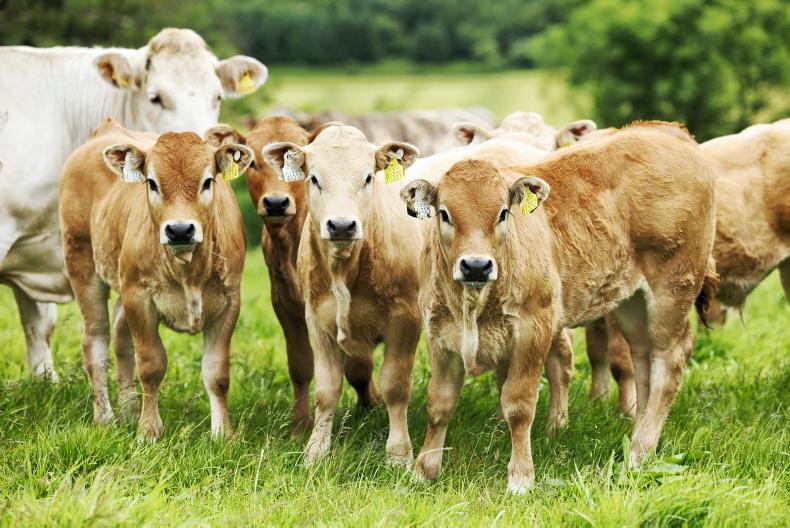
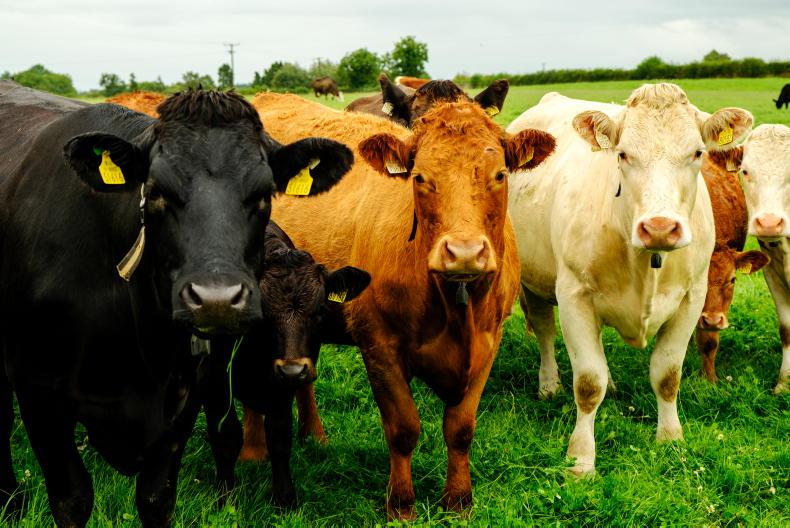
For beef and sucklers, a variable headage system linked to a target price could be easily implemented.
For tillage, there are two realistic options. A direct-acreage payment income insurance scheme, as operates across a range of countries; or, in an era of high oil prices, a wheat-to-ethanol programme or, for oilseed rape, a biodiesel option.
We seem to forget that the CAP before the MacSharry / Fischler reforms was based on a system of guaranteed prices, linked originally to the cost of production on moderately efficient farms. This was the era when Irish agricultural colleges were oversubscribed. Without some form of income insurance across the sectors, neither volatility nor generational renewal will be solved.
Minister Heydon has an historic opportunity to leave his mark on both problems.



SHARING OPTIONS