



There were two interesting gatherings last week. The first was the Agricultural Science Association (ASA) gathering held at FBD’s Killashee Hotel, just outside Naas.
The other was an informal group of concerned farmers and scientists held in Tipperary town.
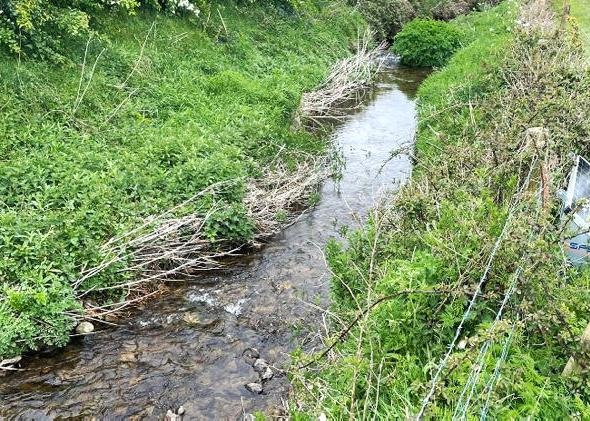
The ASA gathering is covered in this week’s Irish Farmers Journal but a number of key points struck me. The first was the frustration of the Kilkenny farmer Sean Cummins, who asked if the water quality targets set 35 years ago were really valid.
While the official EU target is for 100% of waters to be of pristine quality, thirty five years ago, 54% of Irish waters met that threshold.
Today after a lot of intensification and only recently imposed policies, the figure is 52%, much better than the vast bulk of Europe but as the Department of Agriculture’s chief inspector Bill Callanan put it, despite the incentives and efforts nationally, the dial has not moved.
He added that the Department was there “to support the industry and not just regulate it”.
The aim under the nitrates derogation is to have all waters in the good category or better by 2027. So whether targets are realistic or not, these are the factors driving the current policies.
Progress is clearly being made in some catchment areas, with 46 catchment reports published on the internet.
We can expect to see a continuing push for improvement, but at least the targets are clear and based on real measurements, with a general agreement on how progress can be achieved.
A similar level of scientific knowledge is not being applied in the climate debate.
At the Tipperary meeting, there were contributions from Paddy Wall and Seamus Timoney, both former professors in UCD and both with international reputations as scientists and clear thinkers.
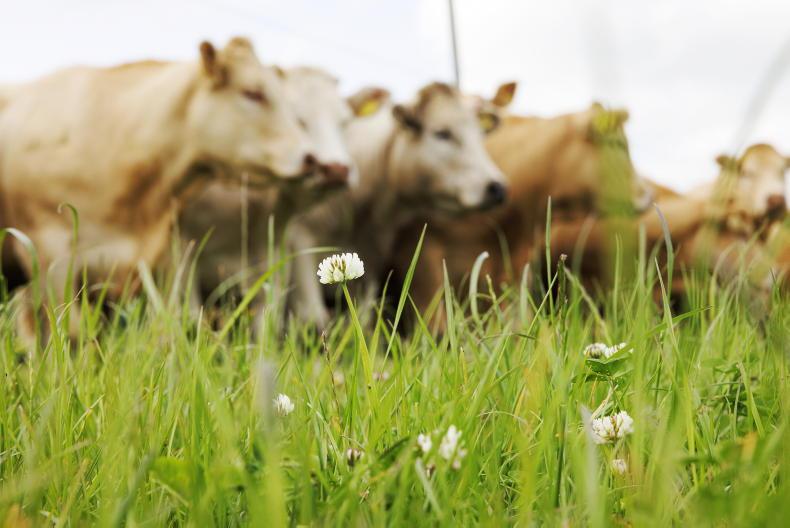
Both criticised the wrong-headed policy of pretending that reducing Ireland’s cattle population would have any effect on climate change, while it would damage food security and the production of needed protein for human consumption.
We seem to have built a climate industry which dares not take on the questionable international view on the damage being caused by bovine-produced methane.
The short lifespan of methane and the policy of EU Agriculture Commissioner Hansen of re-examining the calculations behind the contribution of methane should at least make the Irish Government and climate advisory council pause.


SHARING OPTIONS