The Irish bovine TB eradication programme is now over 70 years in operation.
The early years, with the introduction of what would now be regarded as draconian regulations were spectacularly successful with herd incidence falling from around 80% in the mid 1950s to 2% in 1965.
Now as another eradication drive is a year in operation, there are signs of improvement with incidence falling from over 6% in September 1985 to less than 5.5% this autumn, but that’s twice the incidence of the mid 1960s.
Not surprisingly, incidence varies from one county to another, but throughout the whole exercise, west Wicklow has been a standout example of what isn’t working.
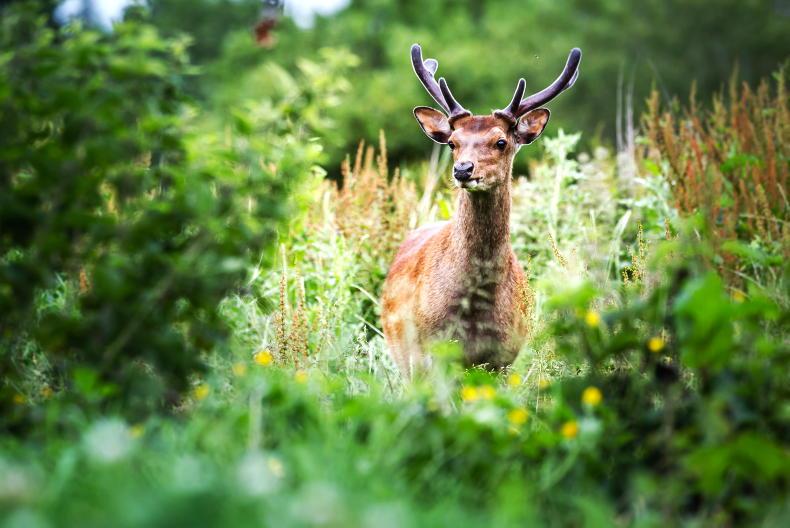
West Wicklow has a staggering incidence of over 16% of herds directly affected, though a much higher percentage of farmers face damage to crops and grassland by marauding deer.
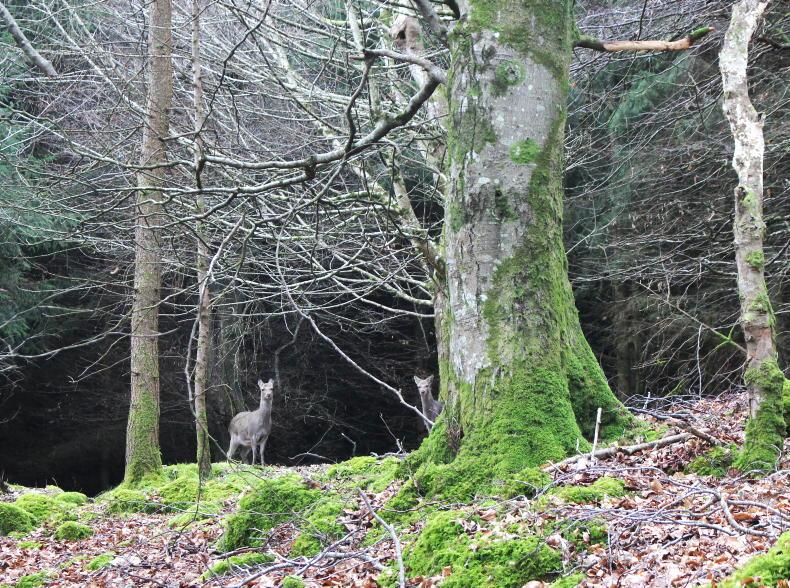
It is no coincidence that Wicklow is the second-most-forested county in the country after Leitrim but Wicklow’s forestry is predominantly owned by the State, especially Coillte, which seems to take no responsibility for controlling or possibly eliminating the sika deer population from its forests.
The best estimates reckon the sika population has expanded four fold over the past 25 years or so.
With no natural predators and a capacity to melt into the nationally-owned forests, the deer population is literally out of control.
While the Farm Relief Services has been given a sika-controlling function, the plain fact is that the sika deer have now been classified as an invasive species, but the network of official shooting and culling restrictions broadly still applies – this is a nonsense.
Intolerable burden
There is a strong argument for eliminating the artificially-introduced sika deer completely and for making Coillte responsible for harbouring them.
I find it difficult to understand how farmers have been left to carry an intolerable burden for so long.
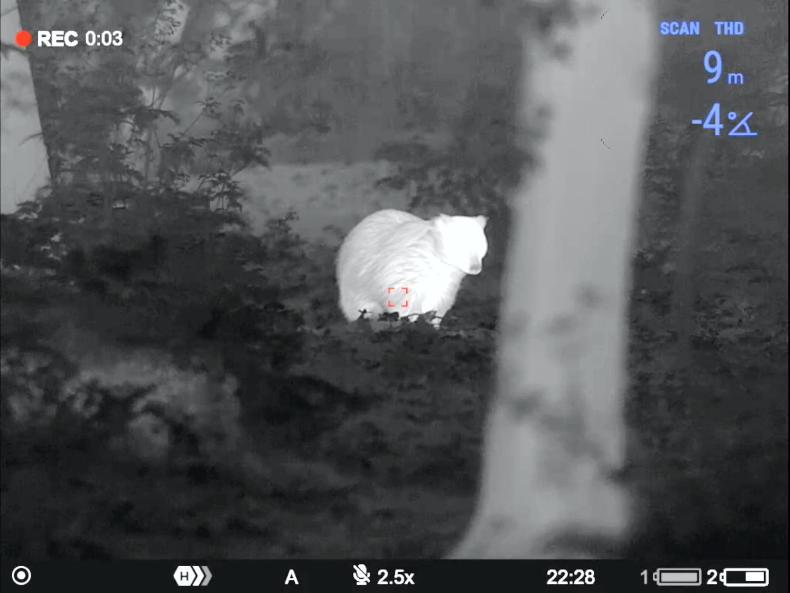
On a broader front, it is clear that badgers are a persistent source of infection.
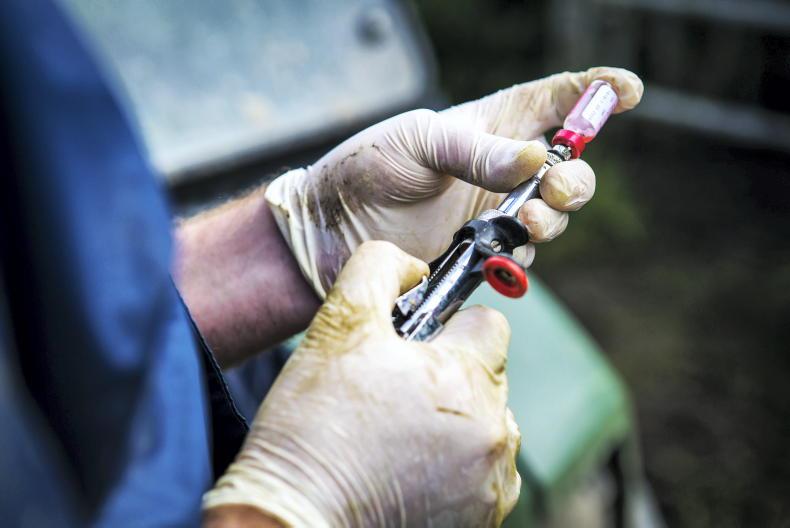
The present emphasis on badger identification and vaccination may work but even over the recent past, there have been too many examples of commercial dairy farmers losing a high percentage of their cows, which has caused not just financial losses, but real mental stress.
The present programmes are well-intentioned but they must be time-limited and if not successful, we should consider whether the Irish badger should go the way of the New Zealand possum.