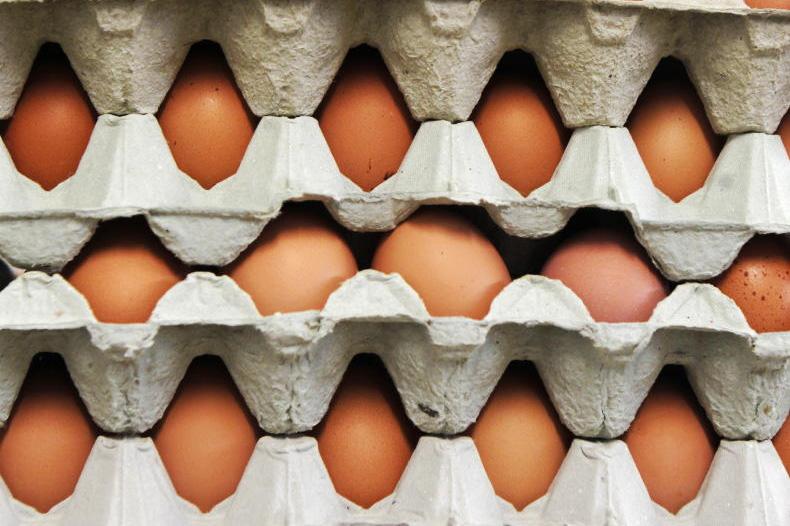
Poultry production in Ireland has more than doubled in recent years with over 17m birds now in the national flock. Obviously manure production has risen in tandem with numbers. At the same time, we have seen an explosive and damaging rise in fertiliser prices.
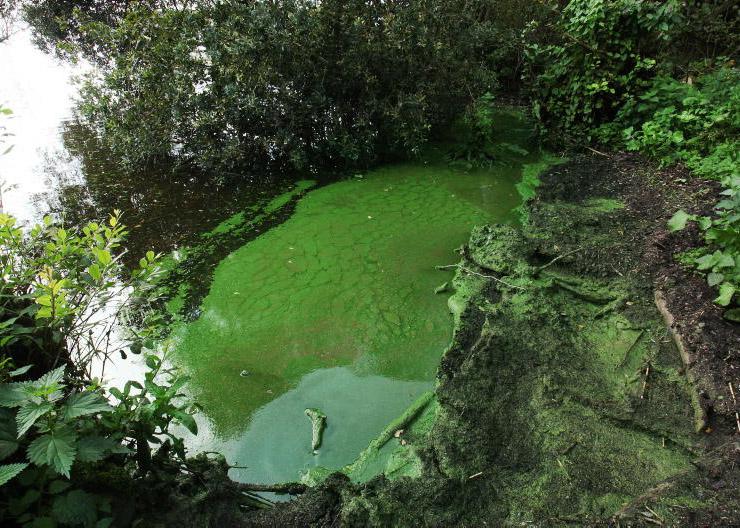
Poultry manure is a good source of all three major nutrients, so good that its concentrated use in parts of England has resulted in it being legally declared a waste product because of contamination and leakage into rivers, rather than being regarded as a nutrient as it is here.
Few people remember the extraordinary victory of pig farmer Donal Brady in the European Court, when the EPA wanted to declare all slurry as waste material and so, subject to stringent disposal conditions.
Donal, who died a few years ago, won that case and got it declared as a fertiliser but we do not need similar attempts resurrected because of the growth of the sector and the potential problems that could arise.
Lough Neagh is a reminder of how a sector’s reputation can be tarnished.
Now is the time to take action to forestall potential problems in the future.
Macra has established an interesting template in the Land Mobility Service where young ambitious farmers are put in touch with those who, for one reason or another, want to reduce their day-to-day workload but want to retain ownership of their land.
A similar central database of those in a position to take organic manure and those willing to supply it could easily be established and run with little cost.
There are all kinds of potential partners in such a scheme from Teagasc to arbitrate on the technical details surrounding appropriate rates on the basis of soil tests, to producer groups or farm organisations, to the poultry processors themselves.
Such a scheme would be of most interest to tillage farmers as potential users but I have seen no figures that quantify the amount of poultry manure being produced and how it is at present being used.
But now is the time to take stock, to assess the likely demand, the cost of transport, the most appropriate time of the year for application, the likely quantities available and the official hurdles to be negotiated.