



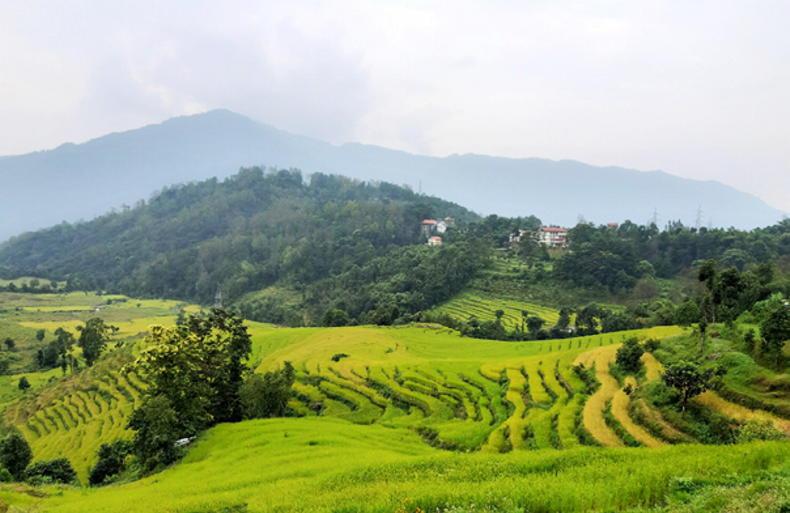
This week I am in India.
We tend, in Ireland, to associate this enormous country with hi-tech and healthcare workers, but, earlier in the week, I attended the launch of a genetic joint venture with Brazil.
When two countries at the forefront of world agriculture such as Brazil and India get together, it is worth considering the consequences. India is the largest milk producer in the world, as well as having the largest farmer co-op in the world.
With a population approaching 1.5bn, it also has the largest population of any country in the world.
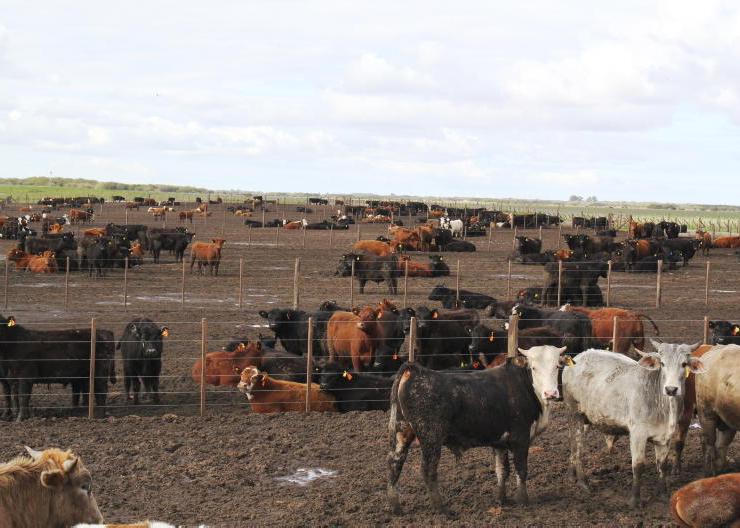
Brazil, of course, is the largest exporter of beef in the world, as well as having made phenomenal progress over the last 30 years from threatening to become a food-deficit country to being a leading exporter of a whole range of food and agri products.
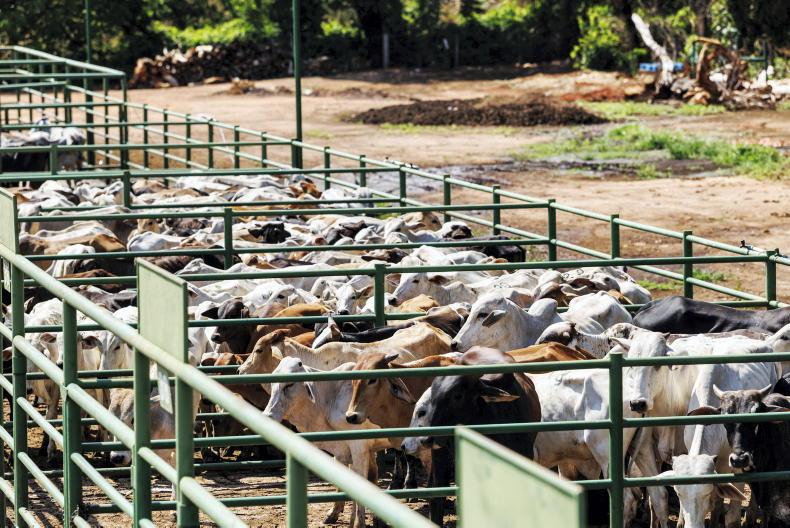
The focus of the Indian link-up was traditionally in beef, when Brazil imported their Zebu cattle from India. This is a breed that is suitable for hot climates.
Improving the dairy herd
This week’s launch focussed on genetic improvement in the dairy herd. Everyone is aware that Indian milk yields are very low, at about 1,500 litres per lactation.
If the goal of increasing output per cow to the target of 4,500 to 5,000 litres is remotely achieved, the consequences for world dairy markets will be profound.
The Brazilian part of the drive to genetically transform the potential of Indian milk output will be a combination of the state agricultural scientific organisation, EMBRAPA, which was at the forefront in turning Brazil into the agricultural powerhouse it is today and a large Brazilian private animal breeding genetics company.
While in India, the main player will be a family-owned agri business group with outstanding facilities to keep large numbers of recipient cows to receive embryos from high performance stock. Not surprisingly, the move is being welcomed and strongly supported by the Indian political establishment.
Endorsement
At the launch in Uttar Pradesh, a state with a population of 240 million, over half the number of people in the entire EU, amidst tight security and a strong military presence, the chief minister delivered a strong endorsement of the project.
With 60% of the country’s population, there is a political imperative, apart from the constant reminder that India has gone from teetering on the brink of famine during the 1960s.
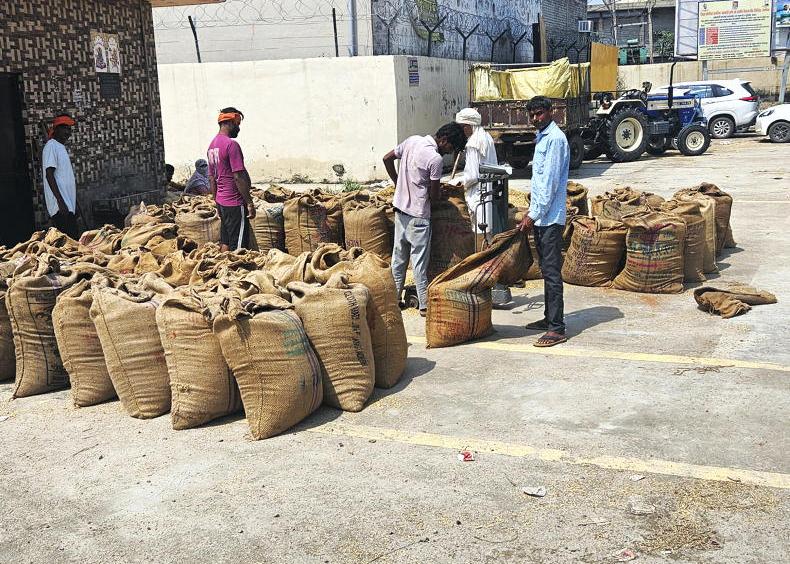
That was when science, in the form of the “green revolution”, made it comfortably self-sufficient in cereals and, in a normal year, an exporter of rice.



SHARING OPTIONS