




The next three months are seismic in terms of the decisions made around the Multiannual Financial Framework (MFF), Europe’s long-term spending plan. The current proposal on the table has devastating consequences for Irish agriculture. The headline figure of a €2 trillion budget is a 65% increase in funding across the EU.
This sounds impressive, but a lot of this extra funding is going to additional defence spending on the back of the illegal invasion of Ukraine by Russia and other wars taking place around the world. Europe has allowed its defence spending to slip over the last number of decades and is now having a knee-jerk reaction at the expense of the agricultural budget and other areas. Agriculture is facing a funding cut of 22%, which is hard to understand, given the scale of the overall budget increase.
The Irish Farmers Journal attended two large meetings this week. Noel Bardon was in Moate on Sunday evening for the fuel protest meeting, where over 1,000 farmers packed into a hotel room to talk about fuel price increases and potential action if their demands weren’t addressed in next week’s budget.
Fuel price increases have hit farmers hard, with diesel-fuelled engines the lifeblood of farms around the country. Filling a farm diesel tank with green diesel or a farm vehicle with white diesel hits you straight away. You pay for it within minutes of filling, so you can see the effect very quickly on your bank balance.
It’s a lot harder to see what the effect of potential cuts to a CAP budget might have on your farm, especially when those headline figures of billions and trillions are used to explain funding models and the direction of travel.
Weanlings
On the cattle side of the house, we have come through a period of solid prices, with weanlings now crossing €2,000/head on a regular basis. That means a few good weanlings will make up the average CAP payment and farmers have almost become disengaged with support payments.
The recently developed IFA CAP hub does a great job of explaining what the implications are for your farm. It’s a simple tool that demonstrates in a few straightforward steps how your payments will be affected on your farm.
Despite all the meetings and the CAP payment calculator, it is hard not to get the feeling that farmers are not quite grasping the gravity of the situation and what a 22% cut to the CAP budget will mean for them.
The cuts are in the future so we’ll worry about that when it comes, so to speak. But at that stage it will be too late and the time for action is now. That action needs to be on the overall budget. Now isn’t the time to argue about retired farmers, coupled payments or who gets what. There will be time for those arguments to take place, but for now, it’s all about the budget. The mood music on changes isn’t good, with the so-called frugal six countries this week writing a letter to Taoiseach Micheál Martin urging him to reduce the overall budget in any deal that may be brokered before the end of the year.
The chances of this deal happening are getting slim and Ireland needs to be careful to not fall into the trap of being the hero that brokered the deal – should the deal be a bad one for Ireland and particularly Irish agriculture. Ireland needs to ramp up its opposition to the CAP funding fast.
Budget
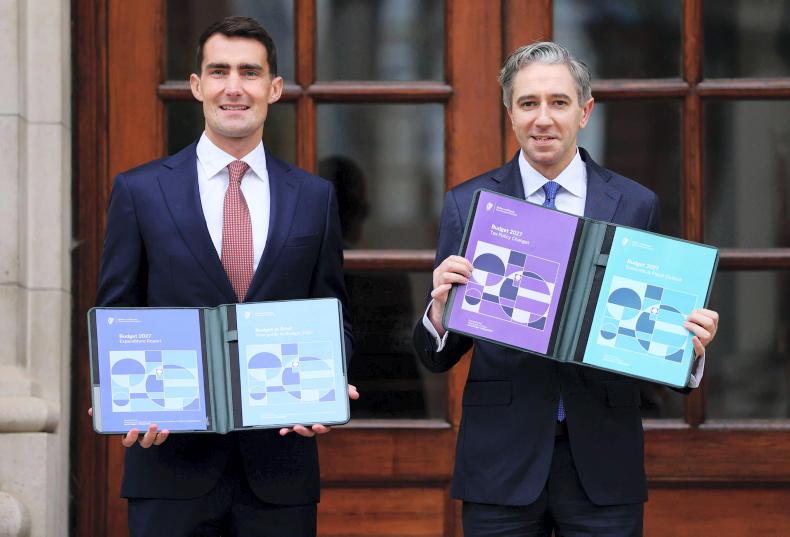
Closer to home, decisions being made around next week’s Budget 2027 announcement will also have an impact on family farms around the country. All eyes will be on the supports for fuel and fertiliser – two inputs which have seen huge increases in recent months. There have been calls to remove the carbon tax completely.
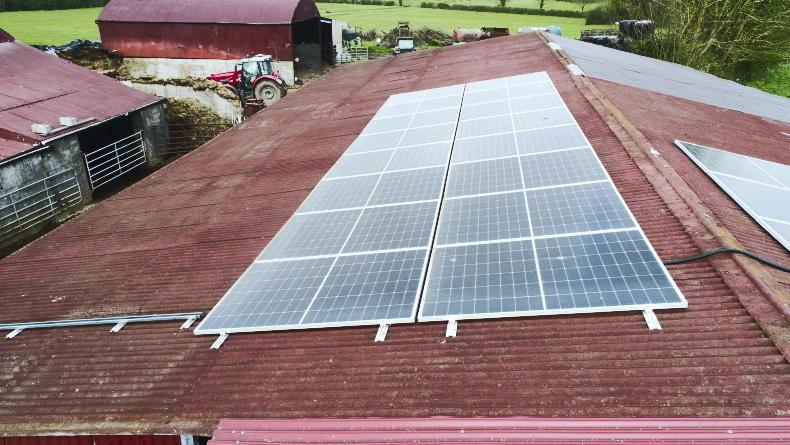
While this is unlikely, some form of support for a sector which has very few choices in relation to alternatives to diesel fuel is critical. Increased funding for TAMS solar grants for farms would also be a positive move for the Government.



SHARING OPTIONS