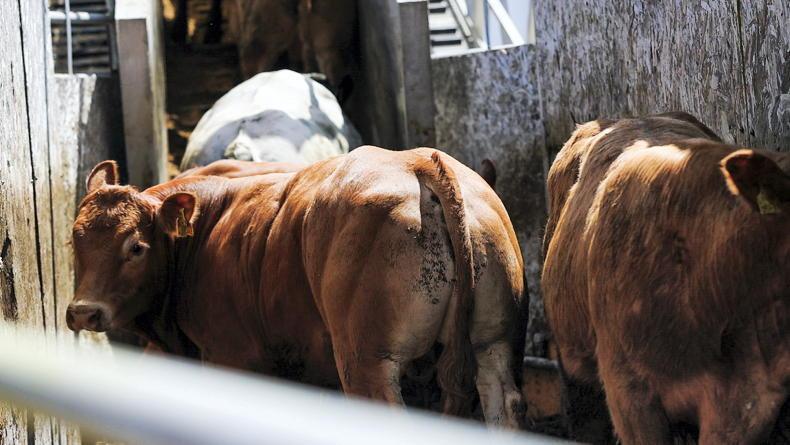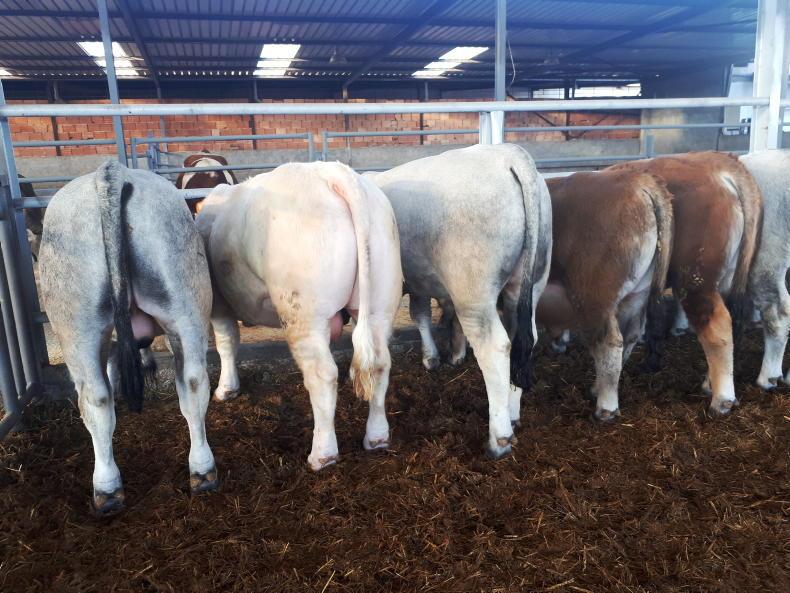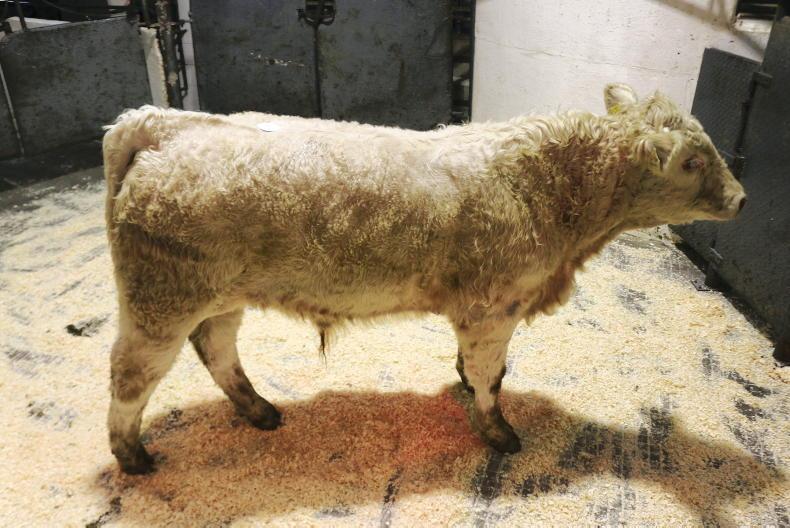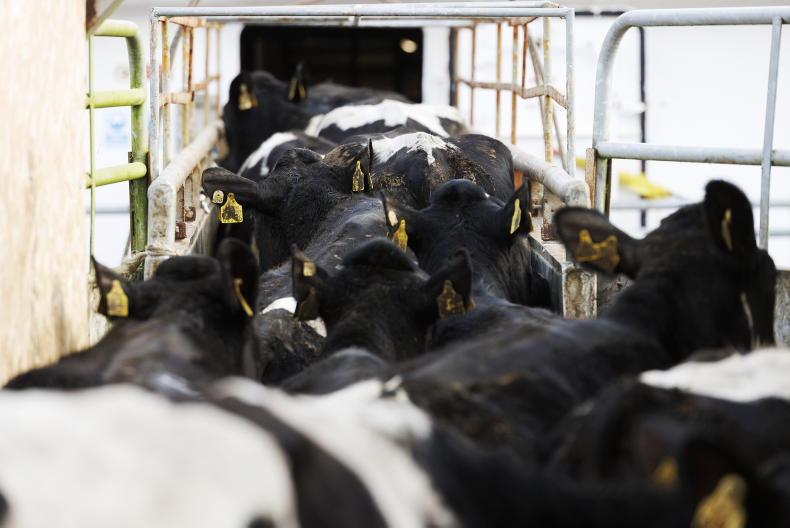
This time last year the weanling market was flying high. Top quality bull weanlings were hitting €6.50/kg and over towards the end of October 2025, with over 80,000 weanlings exported.
Fast forward 12 months and that same top-quality weanling in the 300-400kg weight bracket has dropped back €1/kg or €350/head, with 11,000 less exported.
Some of this has been driven by a reduction in beef price, while some of it is also due to the fact that issues have arisen in some of the destination markets for Irish weanlings.
This gap is expected to increase in the coming weeks. There has been a notable drop off in buying activity over the last two weeks, with the trade suffering. Mart managers are reporting increased activity from farmer buyers over the last week or so, with some trying to capitalise on the reduced shipper activity, but that increased activity likely won’t last too long.
On page 34 this week, Darren Carty provides some insight into the weanling trade, what’s happening at the moment and the possible implications of the disruption to the trade.
The closing of the Algerian market over the last two weeks has put huge pressure on exporters who have been purchasing weanlings for the North African market.
While we have probably passed the peak period for numbers, any disruption to the weanling trade is bad news for suckler farmers.
North Africa
Algeria had been the shining light of the weanling export trade in 2026 with the North African trade taking up the slack from some European destinations – including Italy – dropping back in 2026.
The fact that some exporters have stepped out of the market in the last two weeks has meant that prices are back, and there is concern about the impact that the closure of exports to Algeria could have on the weanling trade over the next few weeks.
The current issue brings the subject of credit in marts into the spotlight again.
To comply with the Property Services Regulatory Authority (PSRA), marts need to have enough funds in their client accounts to cover payments owed on animals and goods traded.
Last year, the PSRA cautioned marts for issuing credit to customers’ purchasing stock. Many marts have sufficient funds in their accounts but find it difficult to operate the client account within the regulation, with some using mart funds to operate the normal running of the day-to-day business of the mart.
Credit is part and parcel of any mart but the huge money out on credit is worrying marts, with millions now at stake. The export market cannot run on zero credit, and marts are left in a difficult position of trying to retain all the custom they can while also keeping a close eye on mounting credit lines.
No stone must be left unturned in protecting our live export markets. The Department of Agriculture and Bord Bia have been working very closely with exporters over the last two weeks to do everything in their power to facilitate progress being made on getting access to closed markets.
A faltering live export market has knock-on affects on many other sectors including the beef market.
Live exports have been one of the central pillars in the renewed positivity around suckling systems in the last 12 months, and the Government must do everything in its power to make sure that live exports are protected, and that as many European and international markets as possible remain open for Irish weanlings.