



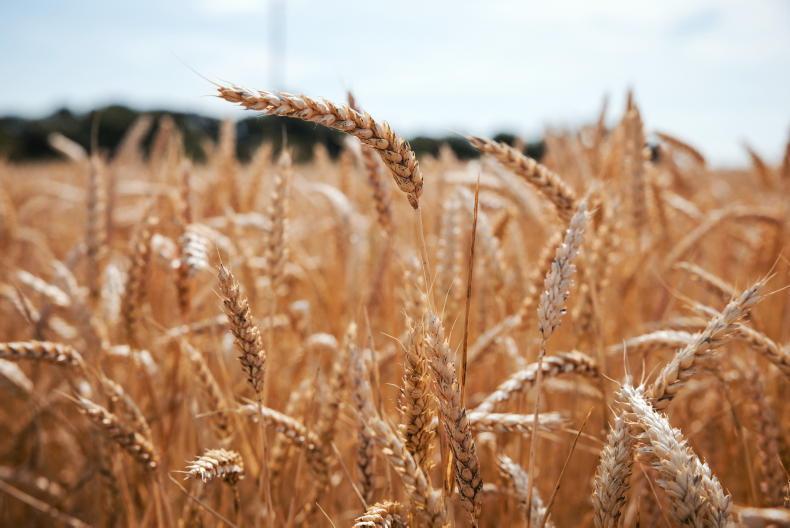
At the end of last week we managed to harvest our beans. I was afraid that it was going to be a salvage operation. It would have been hard to imagine a summer less suited to beans.
The cool regular rain never arrived, and with the constant heat and drought, the visible density of the crop reduced, and the weeds thrived as the crop contributed nitrogen.
Despite the weeds, the combine got through the crop well, unlike the nightmare stop-start of a weed-infested bean crop a few years ago.
Surprise
I was pleasantly surprised to end up with a yield of about 2t/ac at around 19% moisture. Not record-breaking by any means, but given the year, acceptable.
However, the variability makes the crop dependent on a direct payment. I will have the final figures in a day or two.
This year, we chopped the bean straw; last year we let a neighbour try some in a solid-fuel boiler. While the oilseed rape straw burned really well, bean straw does not seem to be a runner.
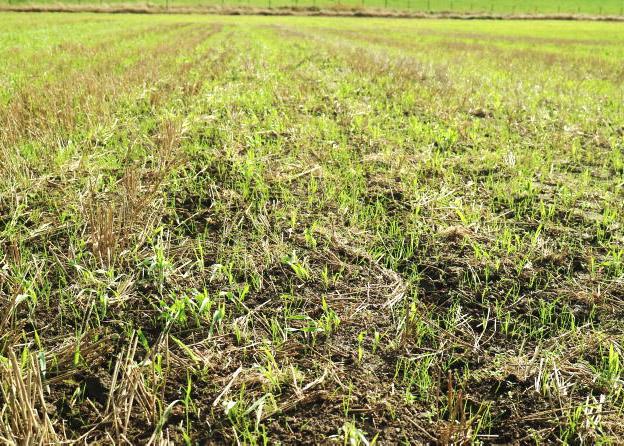
We will follow the beans with winter wheat, all going well.
Silage
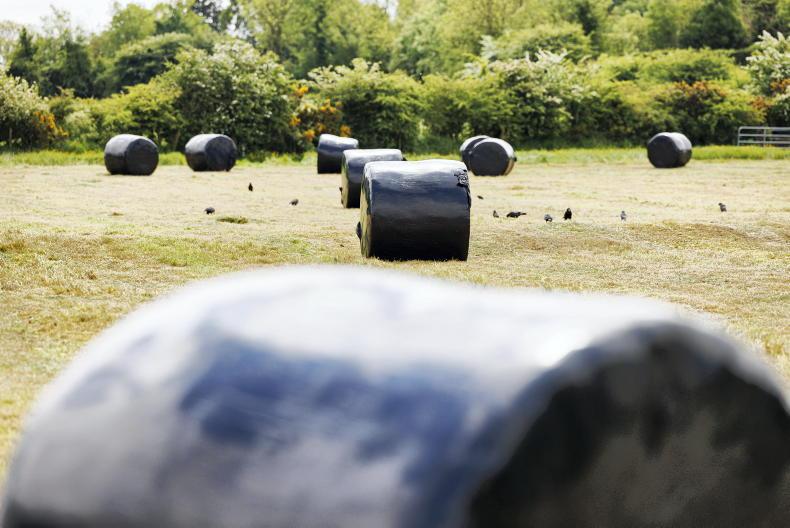
Earlier this week, we finally got our second-cut silage made. Most of it was newly reseeded perennial ryegrass with a white clover mix.
With a good wilt, it should produce useful material, but we haven’t cut silage this late for a long time, so I will be interested to see the analysis.
With a dairy beef system, it’s clear that silage quality is important in reducing meal requirements, which are high if an acceptable finish for the factory is the aim.
We are not allowed sell in the mart, so everything has to be finished.
One of the less-noticed changes in our day-to-day farming is my fear of running out of diesel.
The trouble in the Middle East has already caused a serious lift in oil prices, and we have taken to regularly topping up the tanks so as not to be caught unawares by a sudden, real scarcity.
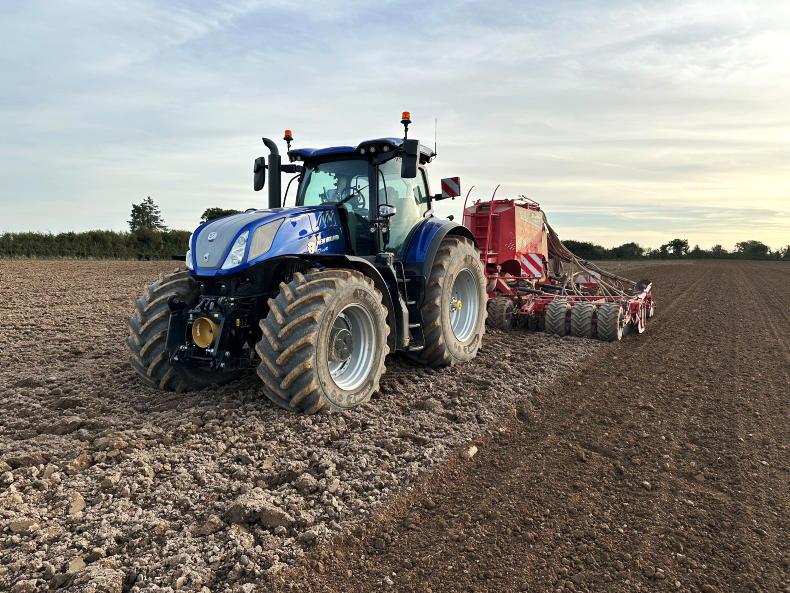
Perhaps that is unlikely in Ireland, but while I hate paying present prices coming into the sowing and winter feed-in period, we simply have to have fuel every day.


SHARING OPTIONS