



It doesn’t owe me much, but I wish it had kept going for a while longer.
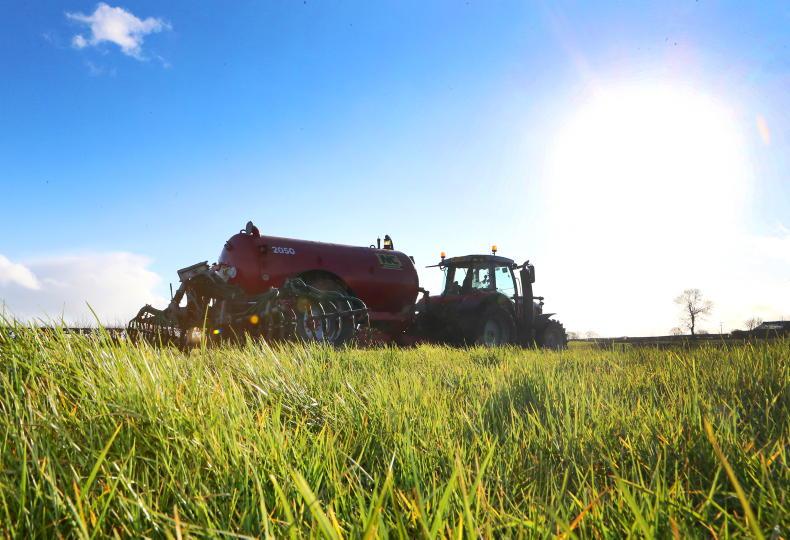
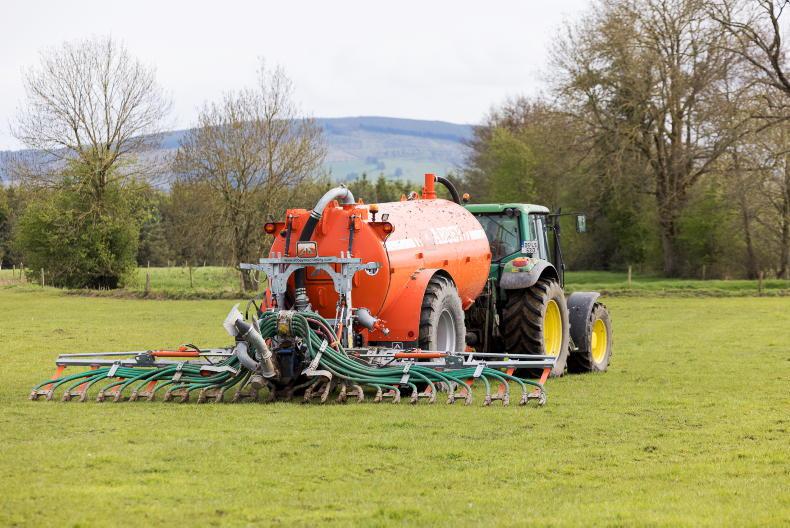
I am not sure how long we have had our slurry agitator; certainly more than 10 years. It has given us no trouble in all that time and, apart from regular greasing, we have spent very little, if anything, on it.
But it’s an essential piece of equipment. We wanted to get the end of the slurry out on some tillage land going into winter barley.
In an ideal world
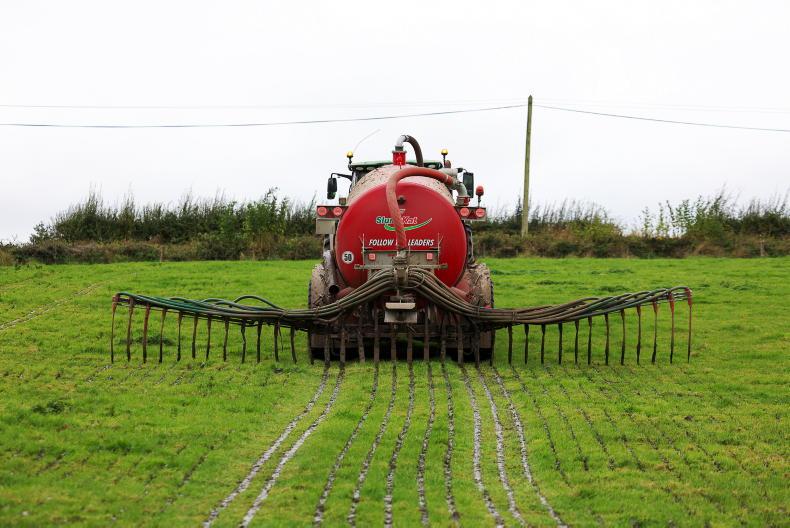
While I know the ideal is to put the slurry out on grassland at the beginning of the growing season, apart from the practicalities of balancing grazing and silage needs, I also like to get slurry out on as much of the tillage ground as possible.
All the long-term results show that while farmyard manure is the ideal, returning slurry is a good second best in getting organic matter back to land that is in long-term tillage.
Anyway, the extension to the slurry-spreading season is welcome, but we have to move immediately to either get our agitator fixed or replaced.
The winter barley seed is now delivered and sitting in the shed.
With the heavy rain over the weekend, I was glad we hadn’t given into the temptation to start ploughing.
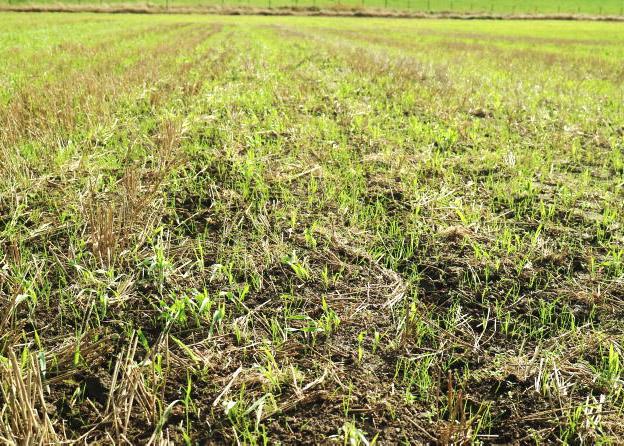
I suspect, for the rest of the season, we will follow the plough directly with the one-pass rather than ploughing ahead. We have sprayed off the heavy growth of volunteers in the winter barley fields, as much to ease the ploughing as to break the cycle of disease spread.
Essential high yields
On the oilseed rape, the post-emerge graminicide has worked really well.
The crop itself has experienced rapid growth in the mild, wet weather, with the tramlines clearly visible and the plants closing over.
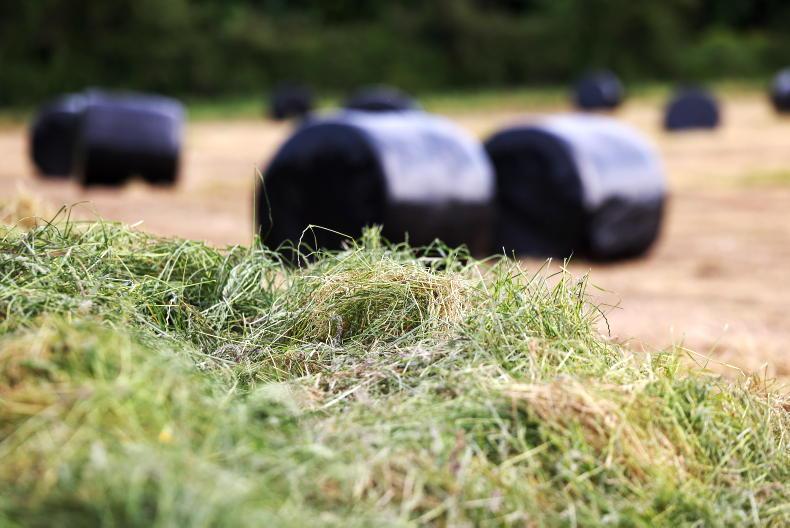
Oilseed rape has turned into a high-input crop, so the comparatively new, high yields are essential to cover costs. With the good growth, we have housed no further cattle as they munch their way through fresh paddocks. It looks as if we may well get another grazing from the silage we cut less than three weeks ago, but we will judge it as it goes.
Meanwhile, our rooftop solar on a south-facing shed continues to perform, but the gap between what we use and what we produce is narrowing the whole time as the days shorten and the sun doesn’t get as high in the sky. The next two-month bill from the ESB will tell a lot, as it usefully breaks down the amount of electricity generated for the billing period.



SHARING OPTIONS