There used be a view that the few weeks after the harvest on a cattle and tillage farm was a time for taking stock of where everything stood and perhaps switching off for a while. Not any longer.
Taking stock at this stage means a session with the accountants and going through their calculations on how much tax is due before the November deadline.
Then inevitably there are post-harvest bills for inputs and transport and as we are registered for VAT, making sure that we get our full refunds that are due.
But on-farm, there also seems to be an increasing workload in early autumn. It’s now clear, at least in my case, that autumn grass with a Holstein Angus cross bullock is not enough to maintain live weight let alone finish an animal as was the norm with the beef breeds.
As a result, we are being forced to either supplement at grass or else have some fields near the yard to which we can let cattle out by day and bring them in for silage with a little meal in the evening.
The cattle get used to the routine quickly but it’s extra work and extra cost.
There seems to be some work showing that once inside on full feed, a type of compensatory growth applies that makes up for the poor performance in the autumn.
It’s much the same as the well-accepted principle of store cattle on a modest diet over the winter, having a period of exceptional gain when they go out onto spring grass, but I haven’t seen my hunch quantified and it would be helpful to have clear guidelines.
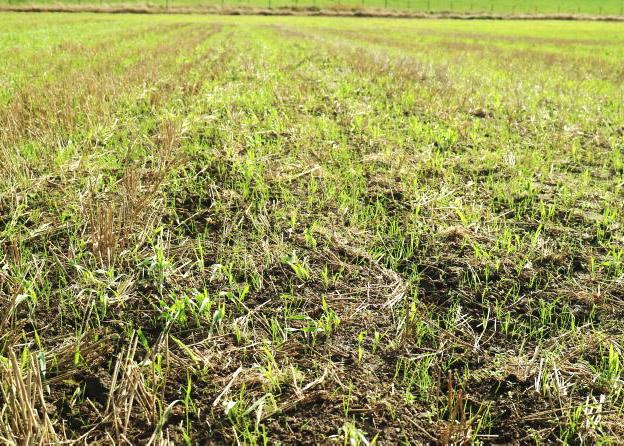
Meanwhile on the tillage side, we got much more rain on the freshly ploughed land than I had expected.
It meant effectively waiting for it to dry out and with a good forecast for the weekend, we ploughed ahead and began sowing on Monday.
Given the high thousand grain weight, we sowed at 12 stone/ac.
As I write I would hope to have the winter barley finished by this week and we will then go straight on to the winter wheat, all going well.
Looking at some of the drainage work we did over the summer where we tidied up some wet spots, I was amazed to see one of the newly-installed drains flowing strongly into the ditch.
My suspicion is that we may well have tapped into a spring as I don’t think we have had anything like enough rain to need the drains to take away surplus water.
It may well have been the spring that caused the wet spot in the first place.
We continue to cut the hedges – the advice may be to let them spread out to encourage biodiversity but there is a happy medium between having a farm fit for normal work and production and a semi wilderness!