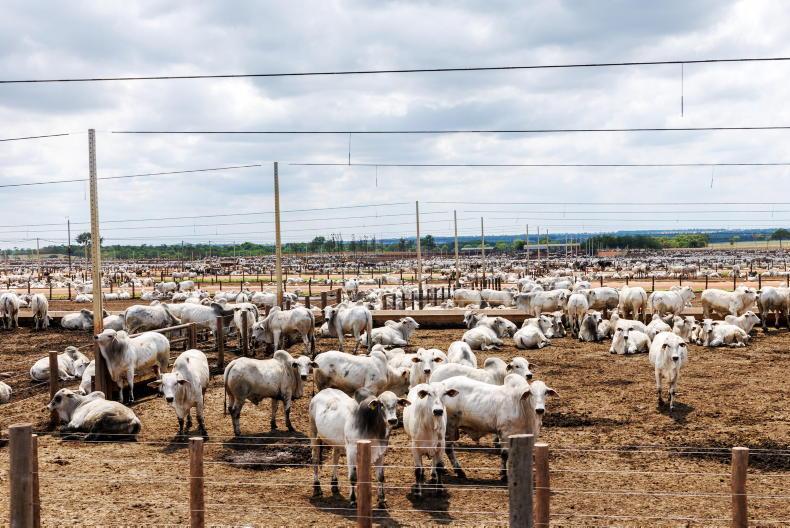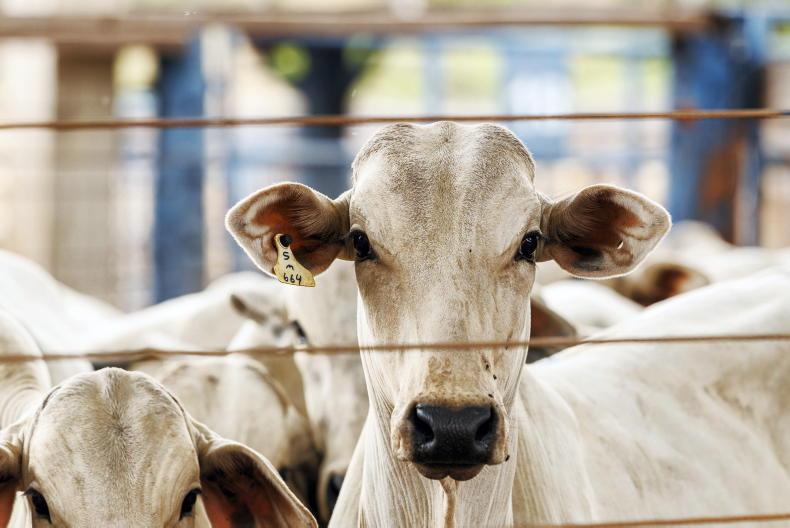
When Chinese regulators handed down a crushing 120 million yuan (€15.5 million) fine to Shuanghui Development, the processing powerhouse owned by WH Group, the world’s largest pork processor and parent of US-based Smithfield Foods, it exposed far more than a routine food safety failure.
It revealed the systemic decay of a corporate model built on squeezing farmers, offloading biosecurity risk, and starving primary supply chains of genuine investment. The scandal erupted after pork produced at Shuanghui’s Wangkui slaughtering facility in Heilongjiang tested positive for the antibiotic lincomycin at a staggering 38 times the national legal limit.
Yet the root cause was purely structural. For years, Shuanghui relied on a cut-throat “company + farmer” contract model.
Under this setup, independent smallholders carried heavy capital expenditures, soaring feed costs and livestock disease risks, while the corporate giant pocketed massive profits without investing in farm-level biosecurity or farm traceability, despite multiple commitments to do so as China grappled with African Swine Fever.
Squeezed by razor-thin margins and strict purchasing conditions, contract growers frequently turned to antibiotic overuse to maintain herd survival.
Rather than offering fair compensation or supporting sustainable animal health protocols, Shuanghui offloaded the operational burden onto farmers while starving its own supply chain of innovation.
The breach triggered an immediate market crash, wiping 4.5 billion yuan (€580 million) off Shuanghui’s market capitalisation in a single trading session and igniting fierce public anger across Chinese consumer networks.
Backlash
The backlash on social media was also vociferous and the government made little attempt to suppress the anger and frustration of consumers. However, consumers can just vent as we ultimately bear the risk of antimicrobial resistance, with companies like Shuanghui are basically immune from consumer-led law cases as the burden of proof under the law puts excessive onus on consumers.
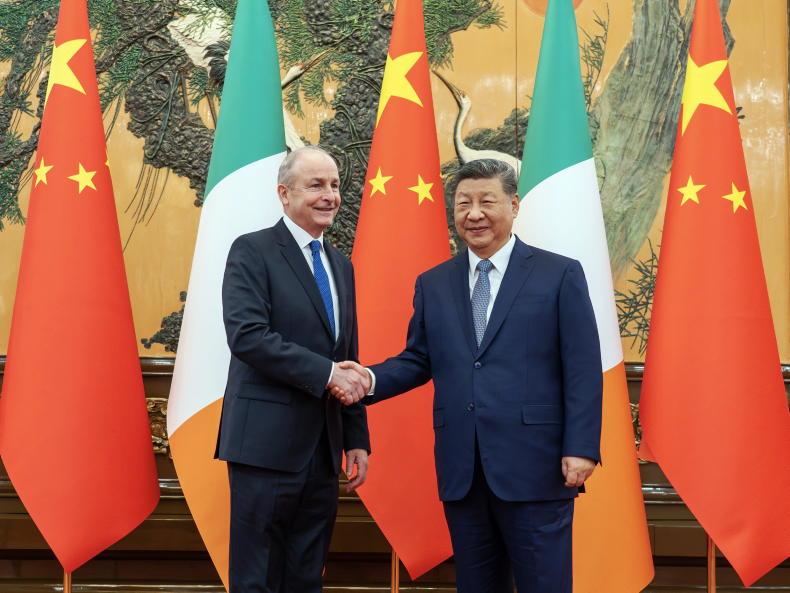
Significantly, the incident escalated directly to president Xi Jinping, whose signature policy enshrines strictest standards, strictest supervision, strictest penalties and strictest accountability and has elevated food safety to a critical matter of national security.
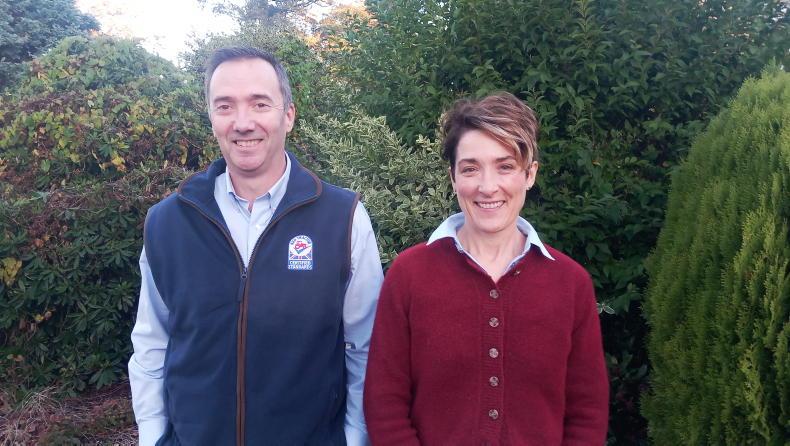
After he spoke, I was visiting farming customers and they understood that this will be a turning point. It will certainly have broad consequences if farmers and processors continue to flout the laws.
Refusing to let the processor treat corporate penalties as a routine cost of doing business, regulators deployed Article 75 of China’s revised Food Safety Law.
Unprecedented move
In an unprecedented move, authorities targeted the personal bank accounts of top management, handing down 56.3 million yuan (€7.2 million) in direct personal fines with the chairman receiving the maximum possible individual fine, and top-level management also receiving hefty fines. It is unclear whether this will act as a deterrent but it’s better than nothing.
For Irish livestock farmers and European processors watching global protein markets, the Shuanghui precedent carries a vital lesson. A corporate strategy that extracts processor margins by undercutting primary producers and neglecting supply chain infrastructure is a dangerous gamble.
True food safety, biosecurity, and long-term consumer trust cannot be achieved by shifting production risks onto farmers at the gate.
As global oversight tightens, processors must understand that long-term viability requires transparent supply chains, equitable grower returns, and real investment in farm-level innovation.