



Growing up on a dairy farm in the west of Ireland, I learned early on that animal health and food safety are two sides of the same coin. You respect the inputs you use on farm and you certainly learn to respect harsh chemicals.
But nothing could quite prepare me for the headline that flashed across my newsfeed recently out of northern China.
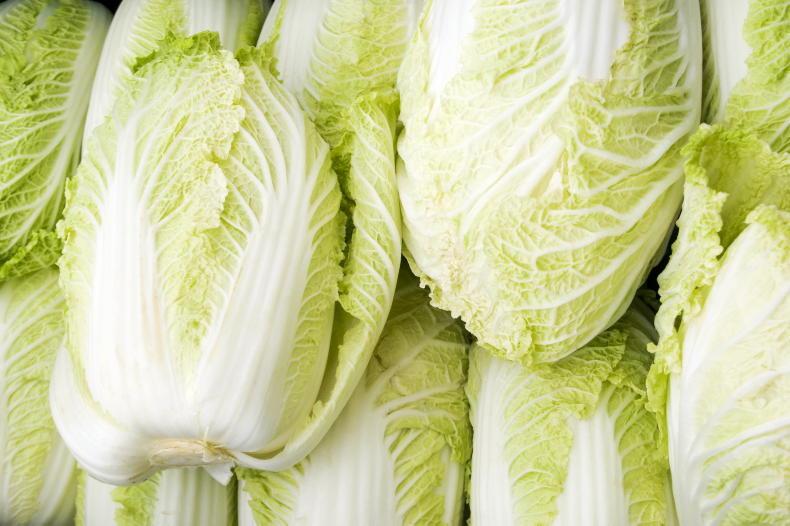
It turns out traders in Hebei province were illegally dipping harvested napa cabbages into formaldehyde solutions to artificially stretch their shelf life during long-distance transit.
For me, seeing that story hit differently. Working day-to-day as an agricultural consultant, jiaquán – the Chinese word for formaldehyde – is a term I know far too well.
We’ve spent considerable time and effort on projects specifically aimed at replacing it from cow hoof baths. Any farmer or vet who has dealt with lameness management knows the old reliance on formalin.
We’ve all seen firsthand the severe tissue and skin damage it can inflict on cattle, not to mention the hazard it poses to farm handlers. It’s a brutal, aggressive chemical. Knowing the exact kind of damage it does to a cow’s hoof, it was the absolute last word I ever wanted to see linked to human food production.
The practice came to light via viral footage on Douyin (Chinese TikTok), showing workers in Kangbao county in Hebei near Beijing, treating cabbages to keep them looking crisp for an extra couple of days. The videos are crystal clear: the formaldehyde label isn’t even removed. No attempt to hide and no denial when questioned on camera.
Under Chinese law, formaldehyde is a strict no-go as a food additive. It’s a potent group one carcinogen.
Authorities moved fast, launching emergency nationwide inspections, detaining individuals involved, and auditing major wholesale hubs like Beijing’s Xinfadi market.
But the shockwaves immediately crossed borders, particularly hitting South Korea where napa cabbage is the foundation of kimchi production. Importing nations quickly ramped up residue testing, while international supply chains braced for stringent new audits.
Whether you’re managing a dairy herd back home in Ireland or looking at supply chains halfway across the globe, this scandal hits home on a fundamental level. Agriculture relies entirely on public trust.
When rogue operators take dangerous shortcuts, whether trying to mask spoilage in vegetables or clinging to outdated, harmful treatments in livestock management, the entire rural community pays the price in shattered consumer confidence. At the end of the day, food production is built on integrity.
We fight hard to weed out harmful chemicals from our systems for the welfare of our stock and our consumers alike. Seeing it brazenly misused in human food supply chains is a stark reminder of why transparent oversight and rigorous standards are non-negotiable, no matter where in the world you farm.



SHARING OPTIONS