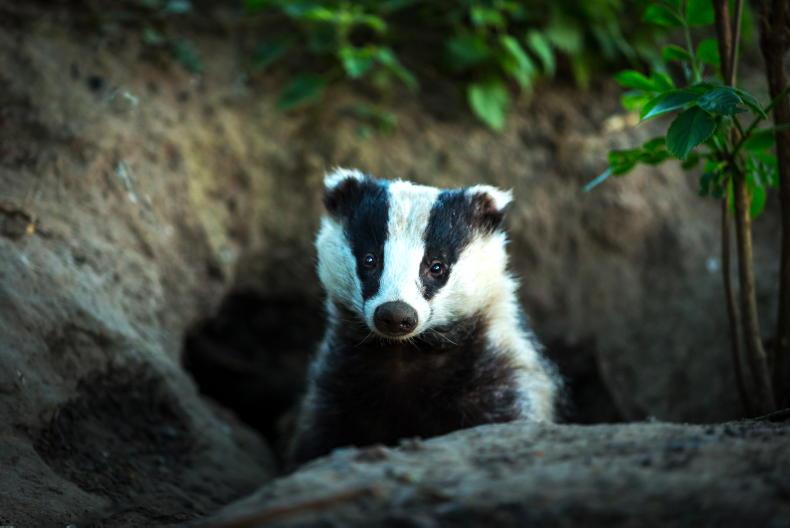
In the fifth year of the project, 341 badgers were captured between April and October \ Cliff Mason
ADVERTISEMENT
The Test and Vaccinate or Remove (TVR) badger research project in Co Down cost £4.5m over its five-year duration, significantly less than the original £7.5m budget, a report published by DAERA shows.
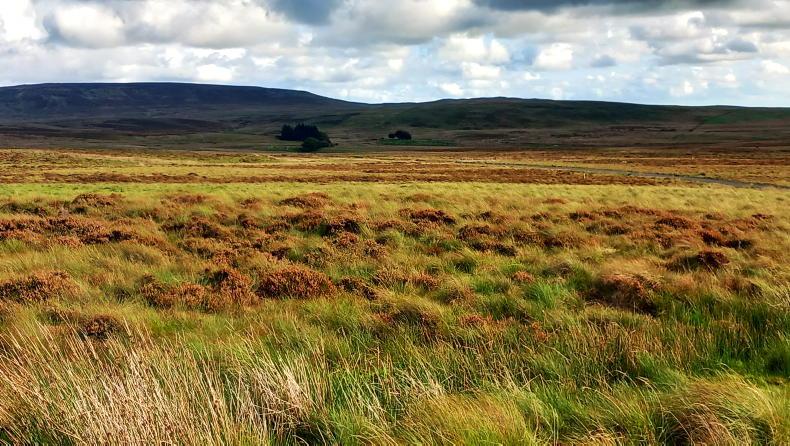
The fifth and final year of the project was completed in October 2018. It involved capturing badgers in a bovine TB hotspot area around Banbridge. Badgers were tested for bovine TB and test-negative badgers were microchipped, injected with a TB vaccine and released. Badgers that tested positive were culled and removed for post-mortem. In the fifth year of the project 341 badgers were captured between April and October, while a further 440 repeat captures were also recorded. The numbers captured were up 19% on 2017 levels, with DAERA stating that drought conditions last year could have encouraged more badgers into traps in search of food.
No results from the study have been published since it began in 2014 and the first results are to be made available from late 2019 onwards.
ADVERTISEMENT
The aims of the project include building data on TB rates, testing and movements of badgers. The DAERA report also states that it has provided information on “logistical issues and costs relating to the large-scale implementation of any future wildlife intervention strategy”.
This content is available to digital subscribers and loyalty code users only. Sign in to your account, use the code or subscribe to get unlimited access.
The reader loyalty code gives you full access to the site from when you enter it until the following Wednesday at 9pm. Find your unique code on the back page of Irish Country Living every week.
CODE ACCEPTED
You have full access to the site until next Wednesday at 9pm.
CODE NOT VALID
Please try again or contact support.
The Test and Vaccinate or Remove (TVR) badger research project in Co Down cost £4.5m over its five-year duration, significantly less than the original £7.5m budget, a report published by DAERA shows.
The fifth and final year of the project was completed in October 2018. It involved capturing badgers in a bovine TB hotspot area around Banbridge. Badgers were tested for bovine TB and test-negative badgers were microchipped, injected with a TB vaccine and released. Badgers that tested positive were culled and removed for post-mortem. In the fifth year of the project 341 badgers were captured between April and October, while a further 440 repeat captures were also recorded. The numbers captured were up 19% on 2017 levels, with DAERA stating that drought conditions last year could have encouraged more badgers into traps in search of food.
No results from the study have been published since it began in 2014 and the first results are to be made available from late 2019 onwards.
The aims of the project include building data on TB rates, testing and movements of badgers. The DAERA report also states that it has provided information on “logistical issues and costs relating to the large-scale implementation of any future wildlife intervention strategy”.
If you would like to speak to a member of our team, please call us on 01-4199525.
Link sent to your email address
We have sent an email to your address. Please click on the link in this email to reset your password. If you can't find it in your inbox, please check your spam folder. If you can't find the email, please call us on 01-4199525.
ENTER YOUR LOYALTY CODE:
The reader loyalty code gives you full access to the site from when you enter it until the following Wednesday at 9pm. Find your unique code on the back page of Irish Country Living every week.
SHARING OPTIONS