



Sterling has seen its longest rally in a few months, strengthening to almost 85p this week.
It has sat at 86p:€1 since 18 February and this week’s announcement by the UK government of a planned reopening of the economy will likely strengthen it further against the euro.
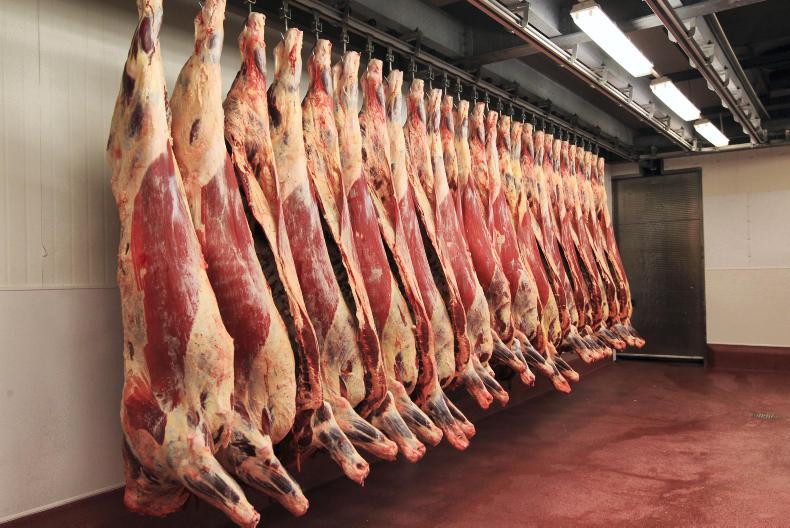
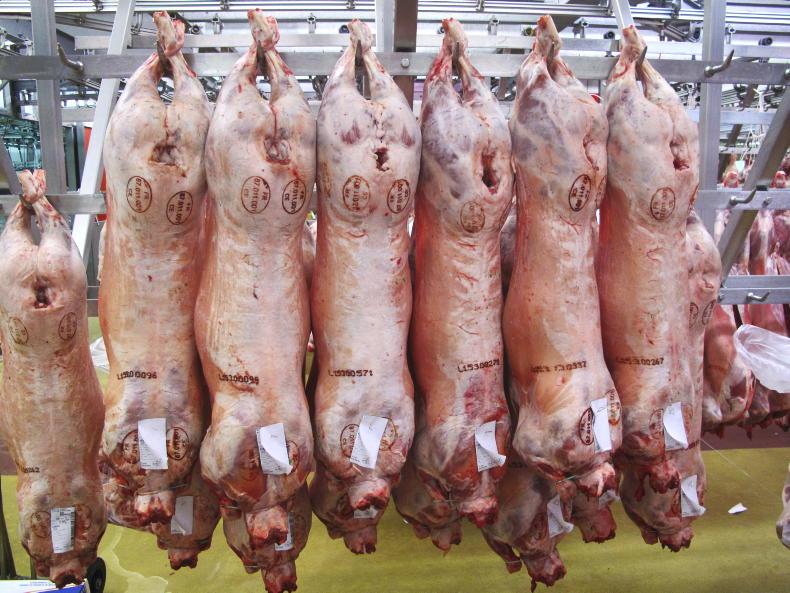
This is good news for Irish exporters and in particular Irish beef exporters, who sell almost half of all Irish beef exports into the UK market.
Before Christmas, in advance of the Brexit deal, sterling had slumped to 91p:€1, which weakened UK customer’s hands when it came to euro purchases.
Latest rally
This latest rally has the opposite effect. UK customers purchasing euro on 12 December were paying £910 to get €1,000 worth of product.
At today’s exchange rates, this means that the same €1,000 can be bought at £860, a saving of £50 or €58 on every €1,000 bought.
This, accompanied by the fact that Irish beef is currently trading about 70c/kg behind the British price, means that Irish beef is very good value to the UK customer.
Price differential
There is currently an over €250/head price differential between Ireland and UK prices on an R3 380kg bullock.
After a few weeks of stagnation, the positive moves in the markets have filtered down into beef quotes.
Most factories moved quotes up this week by 5c/kg to €3.75/kg across the board.
There are one or two operating at €3.80/kg to €3.85/kg when other bonuses are counted in.
More movement is expected next week, as factories seem very anxious to secure supplies for the coming weeks.
There are three reasons for this:
Lively mart trade
A stronger sterling has also helped to add more bite to the mart trade in the south over the last few weeks.
Northern Ireland (NI) customers have been very active, purchasing forward store cattle and cows. The cows are mainly being purchased by NI wholesalers.
Irish cattle are filling gaps in the NI meat trade that would normally be filled by an overflow of in-spec cattle from weekly slaughtering in NI.
Such is the demand for retail beef, most of the in-spec cattle are now destined for the retail market, leaving a gap.
Almost 4,000 cattle crossed the border to NI for further feeding in January 2021, compared with just over 1,500 in January 2020.
A top-of-the-range 600kg bullock was hitting €1,404 in marts last week.
This bullock is heading down the road at £1,149, when sterling is at 86p:€1 and no VAT is taken into account.
That same bullock was £1,215 in December, so that’s £64 of a saving or €70 at the current exchange rate.
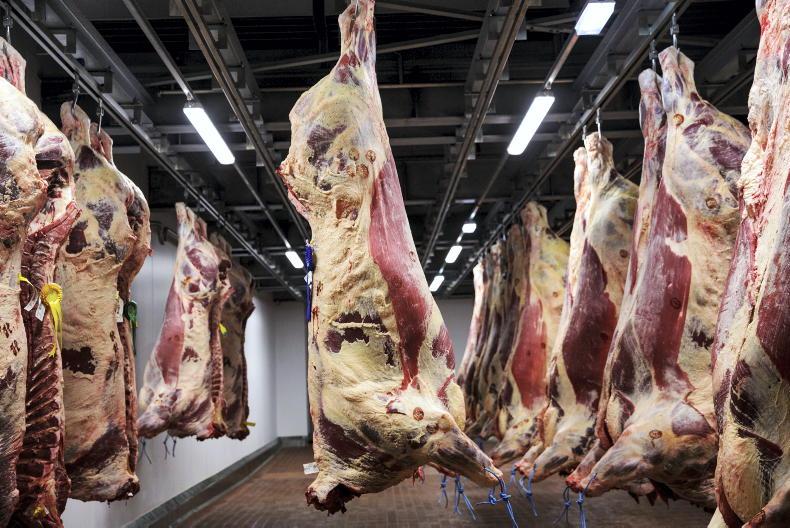
A 400kg carcase in NI is currently coming in for £1,532 at £3.83/kg, with bigger finishers currently getting £3.90 and above for suitable stock.
The €250 price differential also means that NI finishers have a lot more room to play with and can afford to pay that bit more when purchasing southern-bred animals.



SHARING OPTIONS