




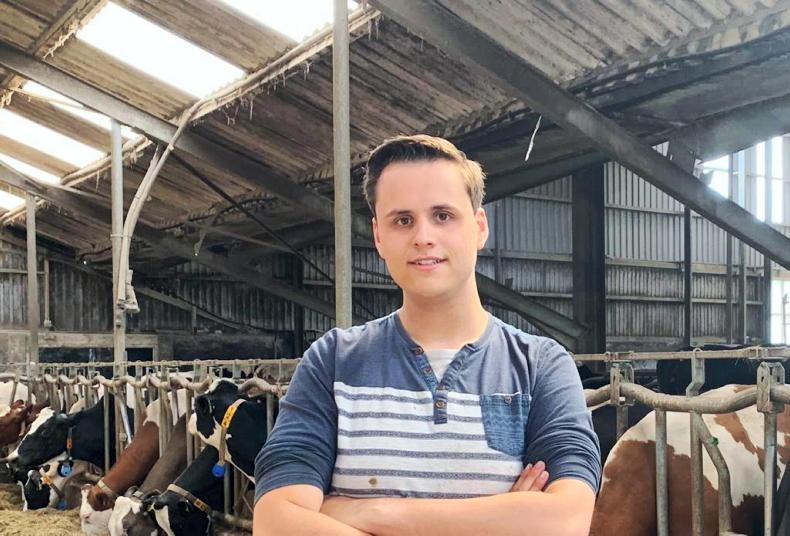
Dairy farmers in the Netherlands were “shocked” when the government published a map outlining planned nitrogen emission reduction targets of up to 90% in some areas, according to dairy farmer Jesse Schevel.
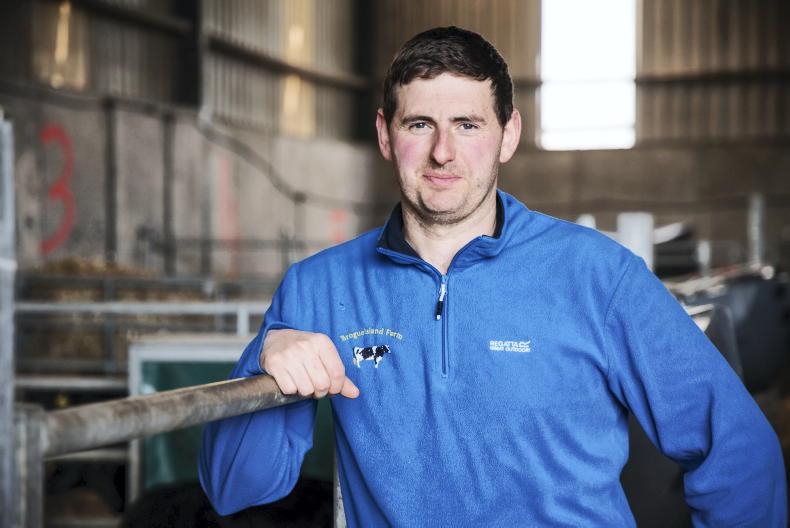
Schevel, who milks 225 cows in Friesland in the north of the Netherlands alongside his family, said farmers were aware that plans would be put in place to curb the loss of nitrogen to the air, but that they never expected such drastic cuts as those put forward by the Dutch minister for nature and nitrogen Christianne van der Wal.
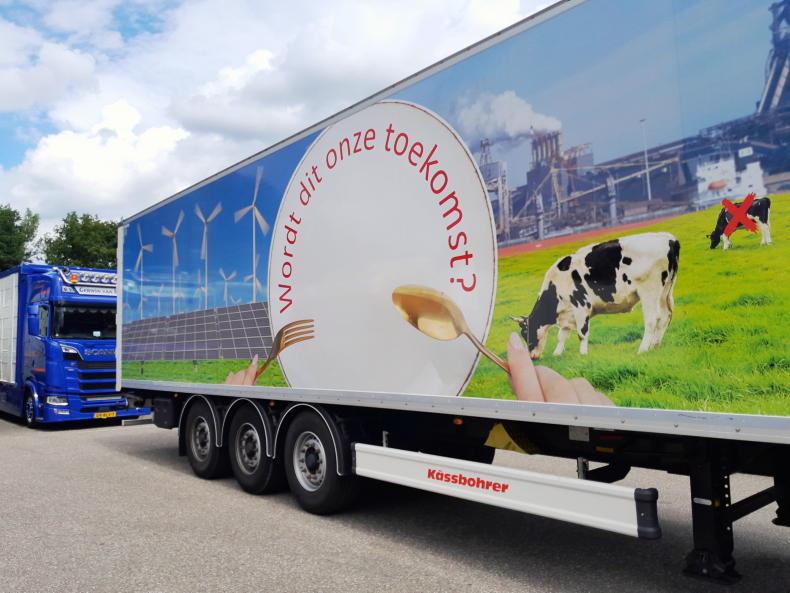
“It started with the Supreme Court decision in 2019 which sacked the nitrogen law,” he said.
“We knew from that moment that something was coming. We never expected it to be like this.
“Many regions started working on nitrogen policies then. About half a year ago, my region introduced a new [nitrogen emissions] policy,” said Schevel.
The Schevels are based 2km from a Natura 2000 designated site.
The family farm is on the border of two reduction regions so, under the nitrogen reduction map, could have to contribute to emission cuts of either 47% or 75%, depending on where the lines are drawn.
Regulations stacking up
Those farming on peat soils are particularly worried about what the changes will mean to the way they farm, the dairy farmer continued.
Separate plans to improve water quality and reduce greenhouse gas emissions are at various stages of implementation and farmers on the ground feel that progress being made in some areas is not recognised in others. “For us, it all adds up,” he said.
Farm profiles and farmer views coming from ???? dairy, broiler and veal farmers @farmersjournal.
— Noel Bardon (@NoelB57472042) July 16, 2022
Predominantly dairy and veal region below. ??
Silage being cut and maize still growing ahead of mid-August ensiling. pic.twitter.com/nD3iUuHn1I
“There is nothing being done on the synergies between these different policies, no work at all – water quality and climate are also big for us on peat soils.”
Proposals to hit south of country
Dairy farmers in the south of Holland, which is typically farmed more intensively, are expecting the proposals to affect them more than the average livestock farmer in the more extensive north.
Farmers say that policymakers’ approach could be summarised in the phrase: “You must have enough land for your cows.” This is in reference to the need to utilise all manures produced on-farm, rather than exporting to another farm or processing facility, such as a slurry separator.
“We are lucky, we are able to let our cows graze on our land. Some of our neighbours do not have this luxury,” Schevel went on.
“The rule of thumb is generally 1ha per two cows. We are within this but a lot of farmers in the south might not be,” he said.



SHARING OPTIONS