



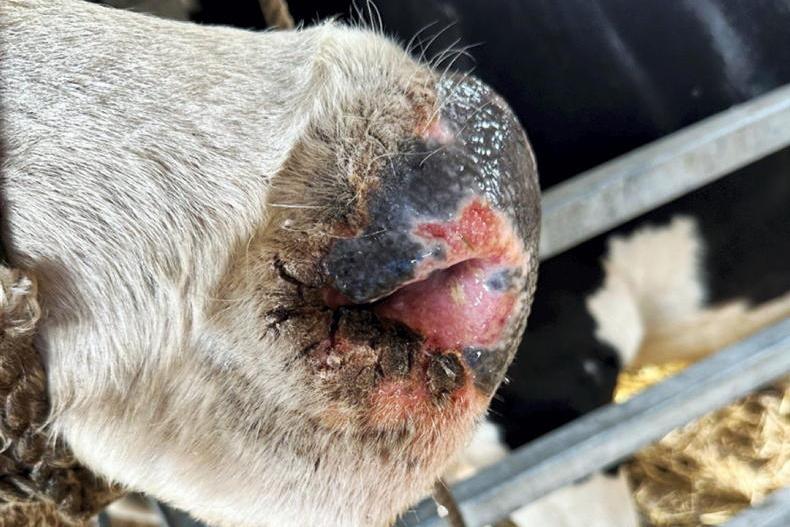
There has yet to be a workaround found on the export of cattle and sheep to and from Britain five months after the bluetongue virus was first detected in Ireland, the Department of Agriculture has said.
Talks are still ongoing involving authorities in the EU and Britain to attempt to broker a certification arrangement that would allow live exports between the two to recommence, but the Department told the Irish Farmers Journal that: “While negotiations are ongoing, the outcome for certificates remains uncertain.”
While the recategorisation of bluetongue virus under the EU Animal Health Law next month, is expected to loosen movement restrictions with cattle exports to EU countries, the move does not impact the ban in place for movements both ways between Ireland and Britain.
“Such movements of cattle between the EU and Great Britain are not currently permitted and the Department does not have any specific information regarding when this situation may change,” a Department spokesperson said this week.
“The UK and EU are currently negotiating a sanitary and phytosanitary (SPS) agreement aimed at reducing trade friction in agri-food, plant and animal products.”
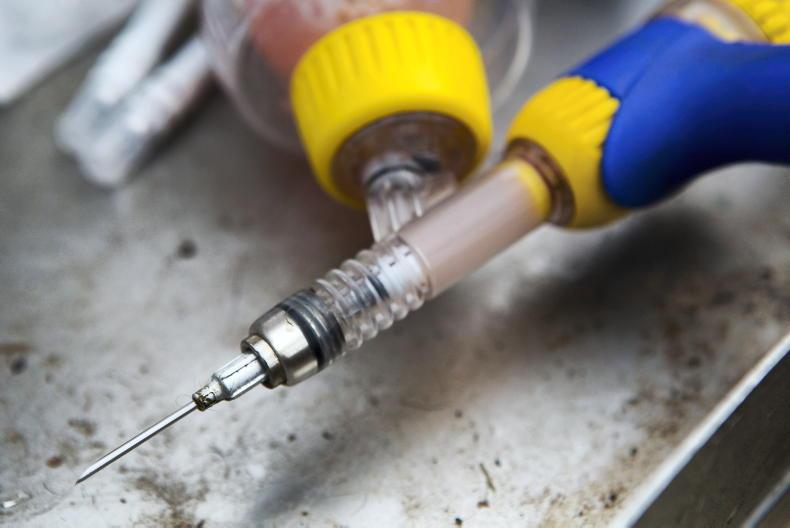
Britain’s current certification requirements for the movement of livestock onto the island for either breeding or slaughter is that an animal must be within two months of vaccination against all bluetongue serotypes that have been found in the animal’s origin country over the past two years.
However, the stumbling block for vaccines authorised for use in Ireland is that animals must be “still within the immunity period of time guaranteed in the specifications of the vaccine at the time of export”.
None of the bluetongue serotype-3 vaccines available for use currently have a duration of immunity published in the manufacturer’s specifications and this prevents them being suitable for British movement certificates.



SHARING OPTIONS