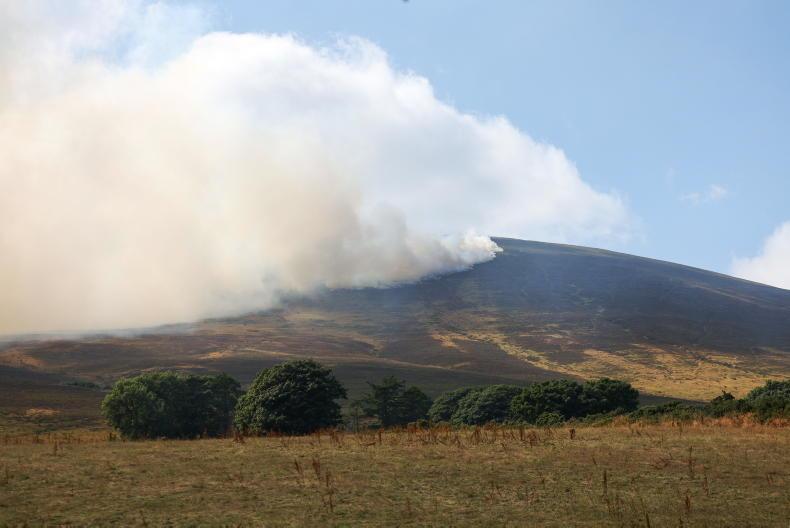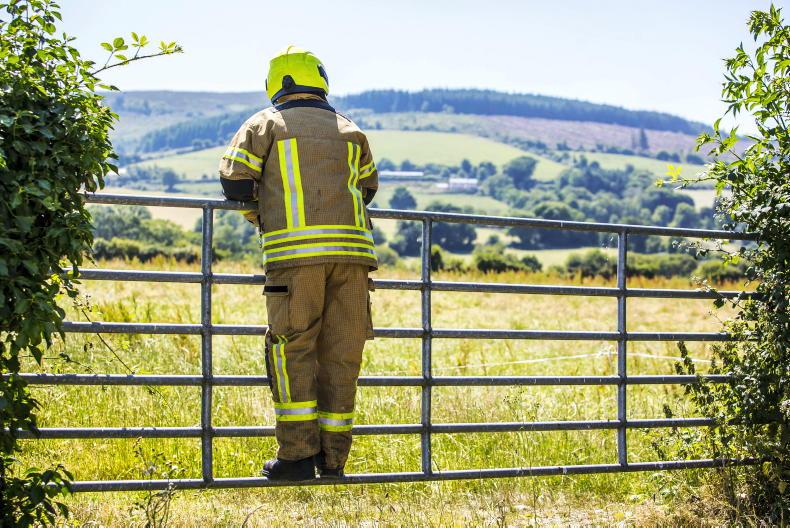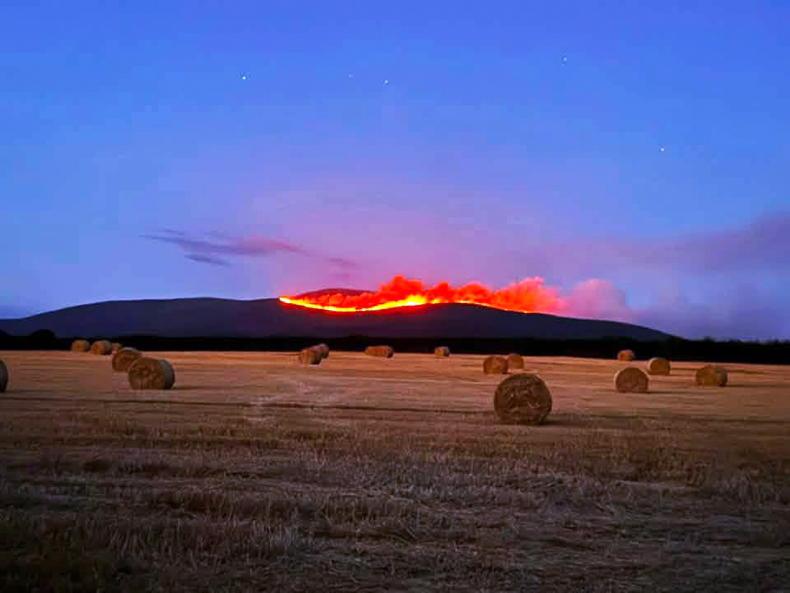
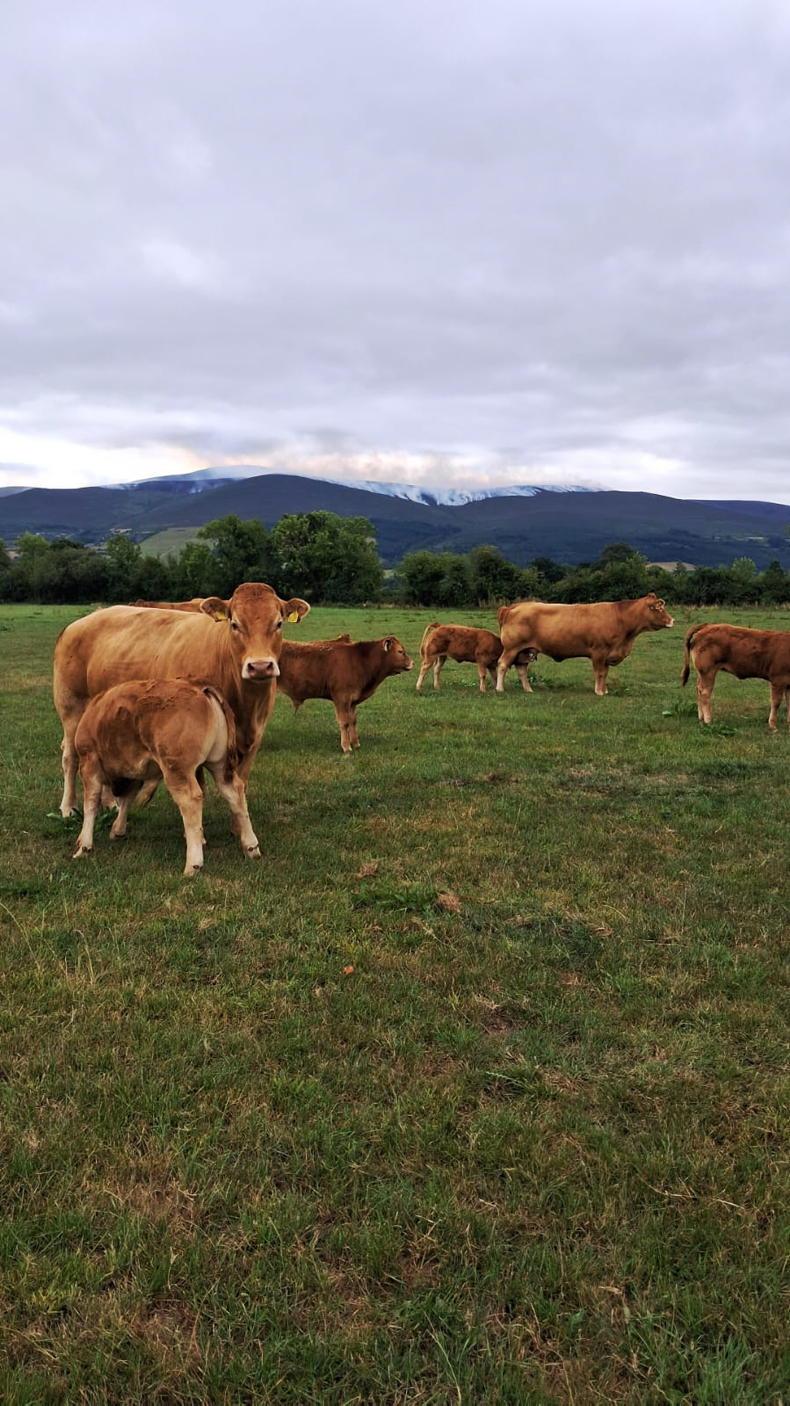
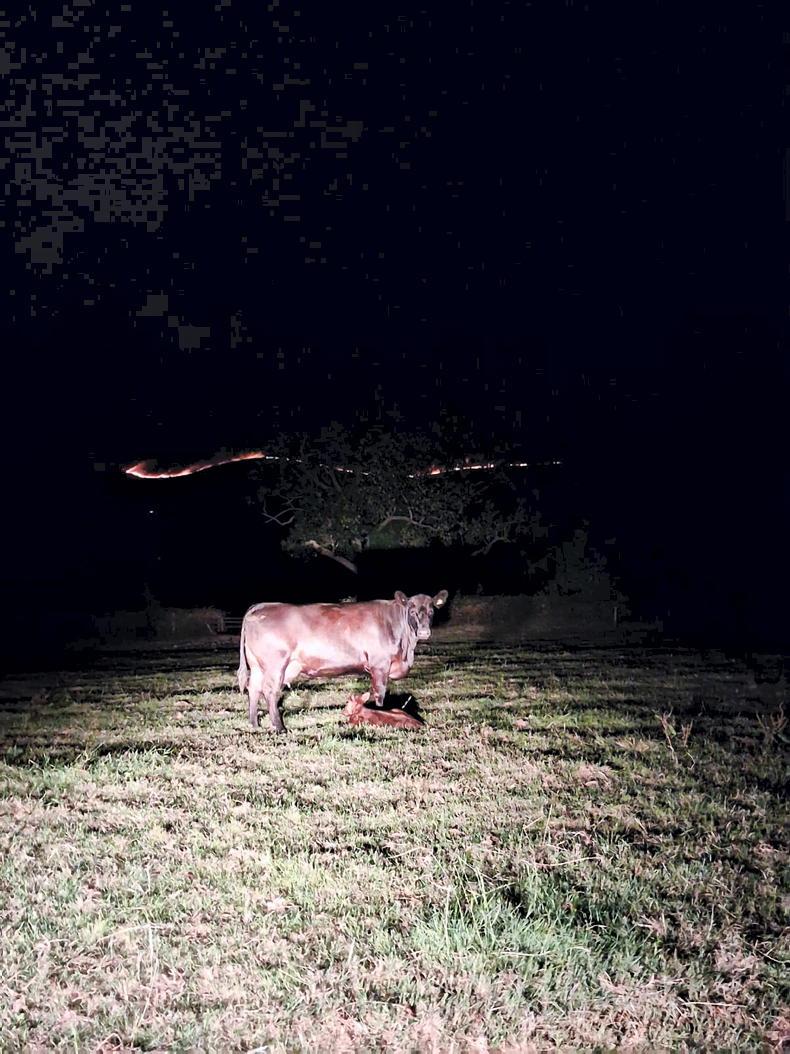
Farmers and contractors have been working around the clock to contain the wildfire on Slievenamon mountain in County Tipperary, with local people warning that the damage could have been significantly worse if it wasn’t for their intervention.
South Tipperary IFA chair Darragh Scott said farmers had played a critical role in protecting nearby homes, farms and other properties.
“Only for the farmers who were there on Tuesday night, there could have been millions of euro worth of property and houses burned,” he said.
“They were out at 3am, wetting down roadways and areas around the fire.”
Farmers working through the night
Local farmer Pat Murphy said tractors and tankers remained on the mountain throughout the night.
“I went over at about 3am and there was still an awful lot of tractors there. You could see their lights high up on the forest roads,” he said.
“My father counted nine tankers coming down from the mountain that night.”
Farmers with land and crops near the mountain have also been directly involved in the response.
Gavin Delaney, who farms near the foot of Slievenamon, said he has approximately 110ac of uncut crops in fields near the fire.
He said the fire had come very close to the land after the wind changed direction.
Men from Delaney’s farm joined the effort on the mountain, using tractors and tankers to carry water to the fire.
A farmer on another side of Slievenamon said access for tractors was limited in his area, leaving those fighting the fire more dependant on helicopters.
David Prout, who farms close to the mountain said he remains concerned about livestock grazing on the mountain and said they may need to be brought down quickly if the conditions changed.
“The stock can come down fairly quickly with the dog, but it's an ongoing worry,” he said.
'The fire line was six miles long'
“We were standing near Fethard waterworks looking up at it for about a half an hour, and someone mentioned that the fire was six miles long at that time,” Scott said.
“We could physically see it moving down the mountain.”
Local people expressed hope that forecast rainfall would assist the efforts of those on the mountain to help maintain the fires.
Clonmel Oil
Clonmel Oil also supported the local response by sending a fuel lorry to the scene and filling the tractors being used by farmers and contractors.
Farmers said the company supplied tractors with green diesel, allowing them to continue their efforts through the night.
A representative of Clonmel Oil told the Irish Farmers Journal that the company had filled a number of tractors involved in the operation.
Those on the ground said the contribution was greatly appreciated.
IFA
Speaking on Thursday afternoon, Padraig Stapleton, IFA forestry chair, said the fire was frightening.
“To witness the speed of the fire travelling across the hill…you’ve to see it to realise how out of control it is.
“We’re told it’s been stabilised. We can quite clearly see it’s anything but stabilised. The helicopters are here but really and truly there’s no evidence of fire breaks being put in or anything like that. We probably won’t see a fire brigade until it comes near a house and the longer we wait and let it burn on, the more out of control it’s going to be.”
Concerns over initial response
Those interviewed praised the personnel and emergency workers involved, several local farmers expressed frustration about the level of coordination and the resources available during the early stages of the fires.
“Local people are disappointed with the initial response and with the different agencies not being co-ordinated together,” Pat Murphy said.
He said the fire had burned through heather, before reaching heather that took decades to grow.
Scott said there would need to be a wider discussion about both the emergency response and the long-term management of upland areas after the fire had been extinguished.
“There are two things that need to be talked about,” he said.
“One is how we manage these mountains, and the other is the coordination that happens when these incidents occur.”
“Credit has to go to the people on the ground, but only for the contractors being able to draw so much water, it could have been an awful lot worse,” he said.
Scott said the fire should prompt a national debate about how mountains and uplands are managed.
He argued that allowing large amounts of vegetation to accumulate created fuel for the fires.
“We now see what happens when that fuel ignites,” he said.
“If we allow this much fuel to build up, we have to accept that these wildfires will become more common.”
He said previous generations had maintained firebreaks and controlled management of the upland areas.
Scott said the immediate priority remained bringing the fire fully under control, but that questions about land management, emergency planning and coordination could not be ignored once the danger passes.