Tullamore demo 3: Purchasing replacements – what to look out for
Don't miss our Tullamore Show beef, sheep and dairy demonstrations at 11am, 12.30pm and 2pm on the Irish Farmers Journal stand, and find further reading below.
Select replacement based on a combination of physical traits and index data.
ADVERTISEMENT
For many farmers, purchasing replacements may be a better alternative than breeding within the herd.
The BDGP rule
Remember if purchasing heifers, to qualify for calculation in 2018 or 2020 targets animals must be over 16 months at that date and genotyped four- or five-star on the replacement index (on a within breed or across breed basis), at the time of purchase for heifers brought into the herd, or at the time of genotyping for replacements bred within the herd. Where a non-genotyped replacement heifer/cow is purchased, the animal must be subsequently genotyped and confirmed as four- or five-star on the replacement index before they can be deemed eligible to be taken into account for calculations in the programme.
ADVERTISEMENT
For purchased cows, the age of animals needs to be taken into account. Animals must be born in 2013 or later if introduced into the herd after 5 June 2015, ie the 2013 age rule is not applicable to cows purchased prior to 5 June 2015.
Optimum protocol
If purchasing, the best balance is to base selection decisions on a combination of physical attributes and an animal’s index. There is no point in buying an animal just to satisfy stars. The following factors should be borne in mind:
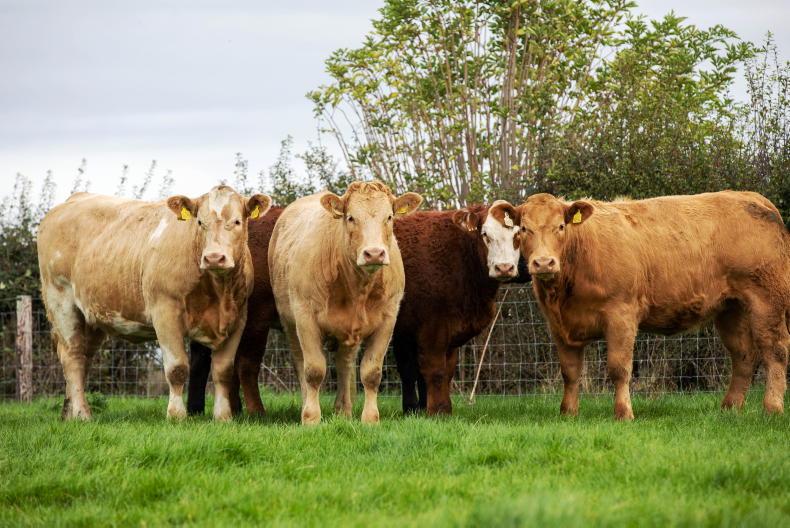
Physical traits: animals should possess the physical characteristics that suit your system. As mentioned in demo 2, when breeding your own replacements, target animals that are not excessive in terms of terminal traits and possess the potential to make good suckler cows.
Breeding potential: the breeding potential will only be truly identified from knowing an animals’ background. There is pressure on the Department of Agriculture to ensure the Mart Modernisation scheme is rolled out to fund new mart screens and allow breeding data to be captured during autumn breeding sales. There is also another option that farmers have with ICBF launching a new animal search facility. Working in exactly the same way as the old bull search facility, this tool allows farmers to input an animal’s tag number into the search facility. If the animal is located in a herd participating in HerdPlus or the BDGP, her breeding values will be identified. The links below are for our five animals in today’s demonstration.
The reliability of female replacements is likely to be low. Suckler-bred progeny may have reliability values averaging generally between 20% and 30% which will hopefully increase when genotyped. Reliability values of dairy-bred progeny will generally be lower due to the influence of dairy genetics in the breed mix. Again, this will hopefully be improved through genotyping.
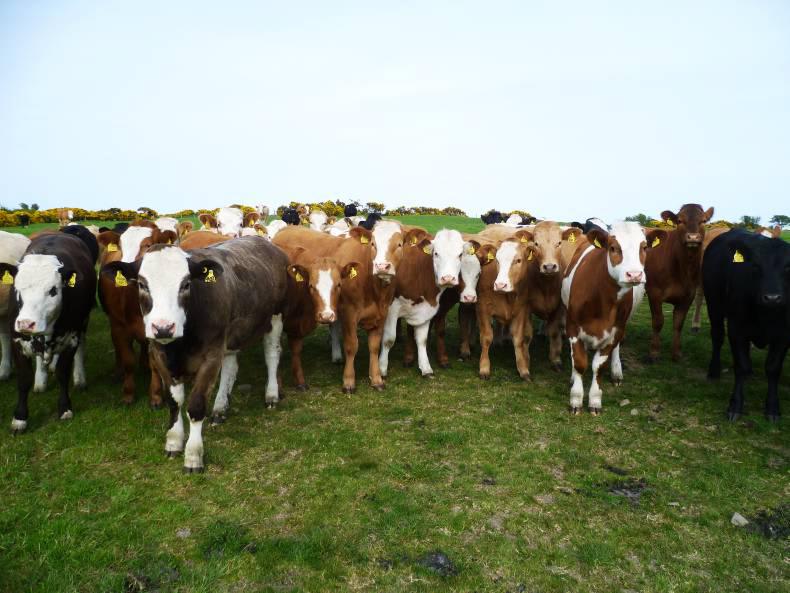
Look at the breed mix – this will be expecially valuable with dairy crossbreds as it will allow you to assess the percentage of Holstein, British Friesian or more importantly if any Jersey genetics are in the breed mix.
Carcase weight – The carcase weight value is a good indicator of the beef characteristics (frame, growth rate, etc) an animal possesses. It is important to reach a good balance so that suckler replacements will be in a position to breed good traits into progeny.
Milk yield – milk is a critical component of a profitable suckler cow. Predictions for dairy stock are going to be much higher due obviously to the direct influence of the dam. It will also be a good barometer and useful aid for suckler bred progeny.
This content is available to digital subscribers and loyalty code users only. Sign in to your account, use the code or subscribe to get unlimited access.
However, if you would like to share the information in this article, you may use the headline, summary and link below:
Title: Tullamore demo 3: Purchasing replacements – what to look out for
Don't miss our Tullamore Show beef, sheep and dairy demonstrations at 11am, 12.30pm and 2pm on the Irish Farmers Journal stand, and find further reading below.
The reader loyalty code gives you full access to the site from when you enter it until the following Wednesday at 9pm. Find your unique code on the back page of Irish Country Living every week.
CODE ACCEPTED
You have full access to the site until next Wednesday at 9pm.
CODE NOT VALID
Please try again or contact support.
For many farmers, purchasing replacements may be a better alternative than breeding within the herd.
The BDGP rule
Remember if purchasing heifers, to qualify for calculation in 2018 or 2020 targets animals must be over 16 months at that date and genotyped four- or five-star on the replacement index (on a within breed or across breed basis), at the time of purchase for heifers brought into the herd, or at the time of genotyping for replacements bred within the herd. Where a non-genotyped replacement heifer/cow is purchased, the animal must be subsequently genotyped and confirmed as four- or five-star on the replacement index before they can be deemed eligible to be taken into account for calculations in the programme.
For purchased cows, the age of animals needs to be taken into account. Animals must be born in 2013 or later if introduced into the herd after 5 June 2015, ie the 2013 age rule is not applicable to cows purchased prior to 5 June 2015.
Optimum protocol
If purchasing, the best balance is to base selection decisions on a combination of physical attributes and an animal’s index. There is no point in buying an animal just to satisfy stars. The following factors should be borne in mind:
Physical traits: animals should possess the physical characteristics that suit your system. As mentioned in demo 2, when breeding your own replacements, target animals that are not excessive in terms of terminal traits and possess the potential to make good suckler cows.
Breeding potential: the breeding potential will only be truly identified from knowing an animals’ background. There is pressure on the Department of Agriculture to ensure the Mart Modernisation scheme is rolled out to fund new mart screens and allow breeding data to be captured during autumn breeding sales. There is also another option that farmers have with ICBF launching a new animal search facility. Working in exactly the same way as the old bull search facility, this tool allows farmers to input an animal’s tag number into the search facility. If the animal is located in a herd participating in HerdPlus or the BDGP, her breeding values will be identified. The links below are for our five animals in today’s demonstration.
The reliability of female replacements is likely to be low. Suckler-bred progeny may have reliability values averaging generally between 20% and 30% which will hopefully increase when genotyped. Reliability values of dairy-bred progeny will generally be lower due to the influence of dairy genetics in the breed mix. Again, this will hopefully be improved through genotyping.
Look at the breed mix – this will be expecially valuable with dairy crossbreds as it will allow you to assess the percentage of Holstein, British Friesian or more importantly if any Jersey genetics are in the breed mix.
Carcase weight – The carcase weight value is a good indicator of the beef characteristics (frame, growth rate, etc) an animal possesses. It is important to reach a good balance so that suckler replacements will be in a position to breed good traits into progeny.
Milk yield – milk is a critical component of a profitable suckler cow. Predictions for dairy stock are going to be much higher due obviously to the direct influence of the dam. It will also be a good barometer and useful aid for suckler bred progeny.
If you would like to speak to a member of our team, please call us on 01-4199525.
Link sent to your email address
We have sent an email to your address. Please click on the link in this email to reset your password. If you can't find it in your inbox, please check your spam folder. If you can't find the email, please call us on 01-4199525.
ENTER YOUR LOYALTY CODE:
The reader loyalty code gives you full access to the site from when you enter it until the following Wednesday at 9pm. Find your unique code on the back page of Irish Country Living every week.
SHARING OPTIONS