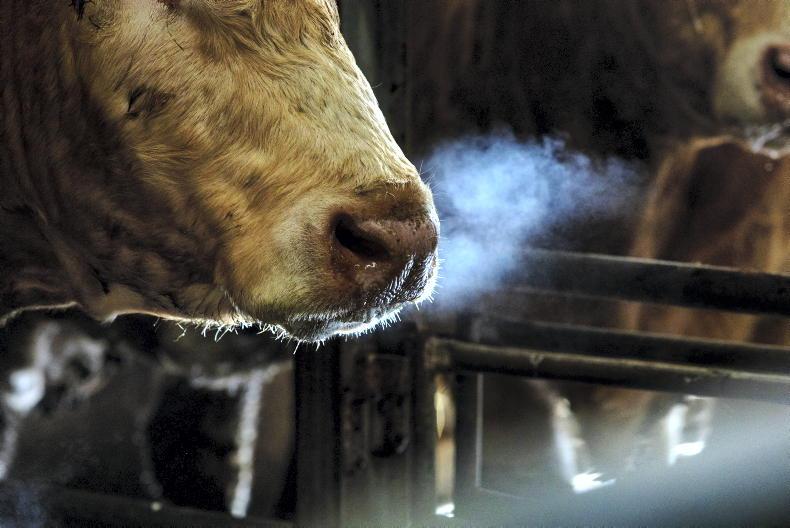
Bluetongue virus serotype-3 (BTV-3) was confirmed on a farm in Wexford on Saturday 24 January 2026.
A cull cow from the farm went to a factory in Carlow, where routine post-slaughter testing found that the cow tested positive for bluetongue antibodies.
This is the first occurrence of a bluetongue infection in a homebred animal in Ireland. Up until now, a number of cases had been confirmed in Co Down in Northern Ireland, while cases number over 200 in England and Wales combined.
What is bluetongue?
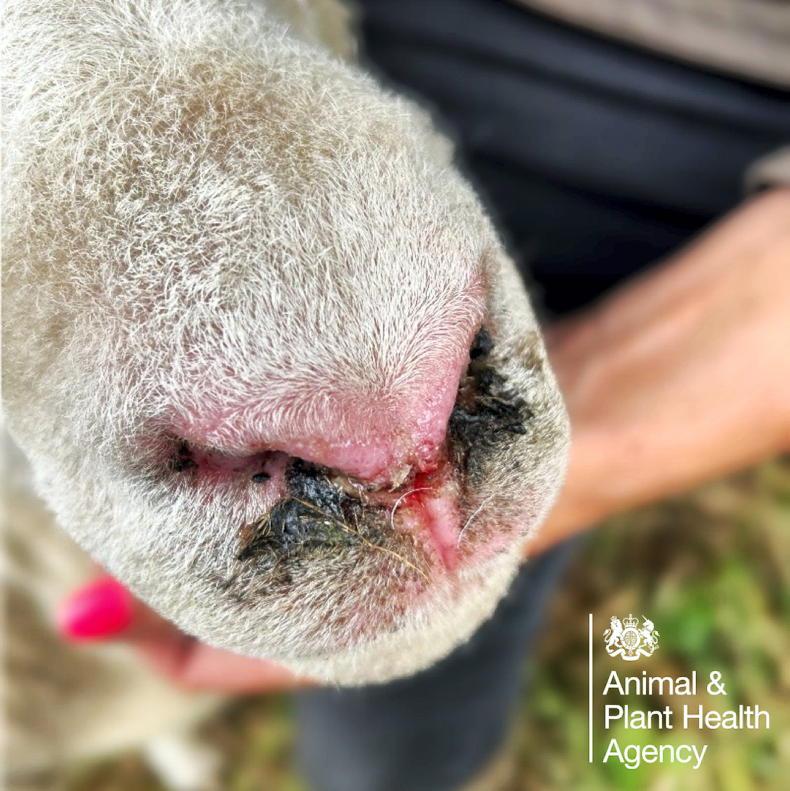
Bluetongue is a notifiable exotic viral disease, which can cause severe clinical signs in cattle, sheep, goats, deer, llamas and alpacas.
It is a notifiable disease, meaning that any suspected case of bluetongue must be reported to the Department of Agriculture.
How does an animal become infected?
“Bluetongue virus is spread by infected biting midges (Culicoides species), many of which are found throughout the island of Ireland,” the Department has said.
“Bluetongue transmission primarily occurs when biting midges feed off the blood of an infected animal and subsequently spread the virus to animals they bite.”
In-lamb ewes and in-calf cows can also pass the virus to their offspring in the womb and can be source of infection when they are born.
The Department said that there is evidence to show that the virus can be spread through biological products such as blood and germinal products such as semen and embryos.
How did bluetongue enter Ireland?
It outlined that there are three main ways that bluetongue could enter the country:
The likely source of this incursion of bluetongue is by infected midges that were blown across the Irish Sea, the Department has said.
What is the risk of transmission?
Midge activity levels are dependent on average temperatures, with the Department advising that the high-risk period for bluetongue spread is when midges are most active.
“Traditionally this would be between April and November. However, rising global temperatures and mild weather conditions during winter may see midge activity persisting for longer, extending the periods of potential disease transmission.
“Wind speed and direction can also affect how far midges can travel and could potentially facilitate the spread of disease,” it said.
It is currently too cold for the virus to replicate in midges. In order for it to replicate, temperatures must remain above 12°C consistently for a number of days.
Are restriction zones in place?
No restriction zones have been introduced due to the low transmission risk associated with current environmental temperatures, the Department said.
This means it is too cold for the virus to replicate.
“If we were concerned that the virus would spread, we would put in control zones,” deputy chief veterinary officer Dr Eoin Ryan told the Irish Farmers Journal this week. Implementing such zones now would not impede the virus from spreading.
Will cattle be culled?
As a result of the cooler temperatures and the inability of the virus to replicate in the midge population, it is unlikely that the cattle that tested positive for the virus will be culled.
However, this is likely to be under constant review by the Department.
Is there a food safety risk?
There are no food safety or human health risks from bluetongue. Milk and meat are safe to consume.
What happens now?
Ongoing surveillance is being carried out by the Department to ensure early detection in additional herds.
What does this case mean for cattle exports?
There are no specific conditions for BTV-3 in Ireland’s main live cattle export destinations, such as The Netherlands and Spain.
Cattle can go to Northern Ireland for direct slaughter. Exports to Northern Ireland for breeding purposes or finishing is banned.
Sheep editor Darren Carty has more detail on the conditions for exports here.
What about sheep exports?
Sheep exports to Northern Ireland are banned for breeding or finishing purposes. Sheep can only move across the border for direct slaughter.
What is the advice to farmers?
The Department advises that vigilance is critical to detect any cases promptly before the virus can replicate and become established in local livestock and midge populations.
You can read about the symptoms of bluetongue in cattle and sheep here.
What about vaccinations?
Three BTV-3 vaccines have been approved for use in the Irish cattle and sheep population.
“Vaccines do not fully stop infection or disease, but greatly reduce viremia and severity of clinical symptoms,” the Department said.
Three vaccines have obtained European marketing authorisation for use:
“The duration of the immunity period guaranteed in the specifications of these vaccines has not been determined to date. Therefore, vaccination cannot currently be used to meet EU standard certification requirements,” the Department said.
How do I report a suspected case?
You can report a suspected case of bluetongue to your local regional veterinary office or via the national disease emergency hotline on 01- 492 8026 (outside of normal office hours).
Do you have a question about bluetongue?