


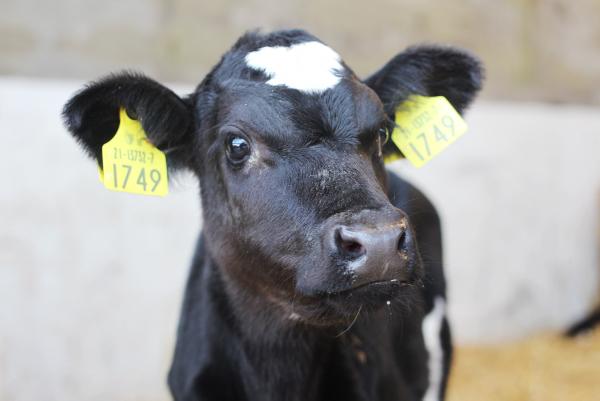
The number of cattle exported live in 2013 increased by 31% on 2012 levels or by 49,145 head to a total of 209,481 cattle. The increase can be attributed to a recovery in live exports of calves, with exports more than doubling from 38,277 head in 2012 to 90,658 calves in 2013.
The fact that the rise came in the lower value calf category means that the total value of live exports has not increased on a pro-rata basis. Bord Bia estimate that the value of live cattle exports increased by 9%, or from €144m in 2012 to €157m in 2013.
Higher calf exports stem from a very significant reduction in farmer demand in spring 2013 compared to the levels experienced in 2012.
Lower competition in the market led to prices easing and left more potential to export calves live and return a margin. Table 1 shows live exports per animal category. Live exports of finished cattle fell by 9.5% or 5,089 head, mainly due to difficulties in getting Irish-born cattle slaughtered in Northern Ireland plants in the wake of the horsemeat saga.
As shown in Table 2, total live exports to Northern Ireland reduced by 12.8% or 8,022 head to 54,555 cattle.
The other animal category that experienced substantially lower live exports is weanlings. This was due mainly to market difficulties in Italy with live exports to there of weanlings falling by 31.2% or 11,805 cattle to 26,047 head.
There were also lower exports of weanlings to Northern Ireland and Spain but total exports to Spain were compensated for by higher calf exports.
The overall reduction in weanling exports was helped by a resumption of live exports to Libya as 14,542 cattle were exported in a number of specialised shipments.


SHARING OPTIONS