


When I called to Ken Matthews, Killeigh, Offaly, earlier this week, he was in wind down mode after what can only be described as a hectic and very demanding three to four weeks of lambing.
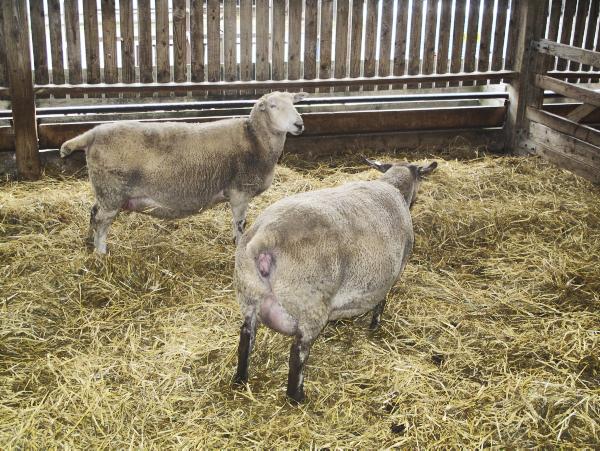
As is so often the case, there are four to five remaining ewes on the point of lambing but resisting every day that passes and dragging out the lambing period.
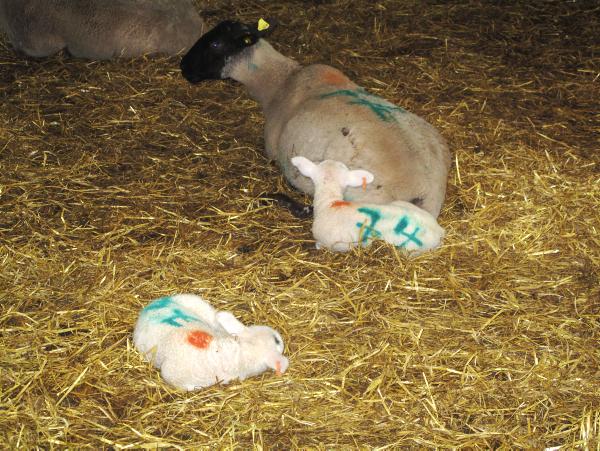
When these ewes likely lamb before the end of the week, it will bring a conclusion to a lambing period of about five weeks and a hugely impressive 700+ lambs born from 322 ewes.
It should also be pointed out that, after a slow start, most of these ewes lambed within a three-week period.
The sheer number of lambs born complicated the normal run of lambing, with over 100 triplet and quad lambing ewes.
Ken explains this is where most of the workload is concentrated, with this group accounting for the largest percentage of ewes requiring lambing assistance and lambs requiring suckling and post-lambing assistance.
This is an area that requires close examination in a research setting to quantify just what extra labour is required and the associated higher lamb mortality if progressing down the high prolificacy route. Initial analysis of records show that lamb mortality is first rate with just 40 lambs lost to date, or in the region of 6%.
A large percentage of lambs lost were those born as a triplet or quad. Ken explains that maintaining mortality at such a rate was down to a number of factors.
“For one, luck was on our side with lambing going as good as we could have expected. Weather was largely favourable and this allowed us to get ewes and lambs outdoors fast. Ewes were also in very good order after the winter and I was very happy with how they maintained their condition and their milk yield.
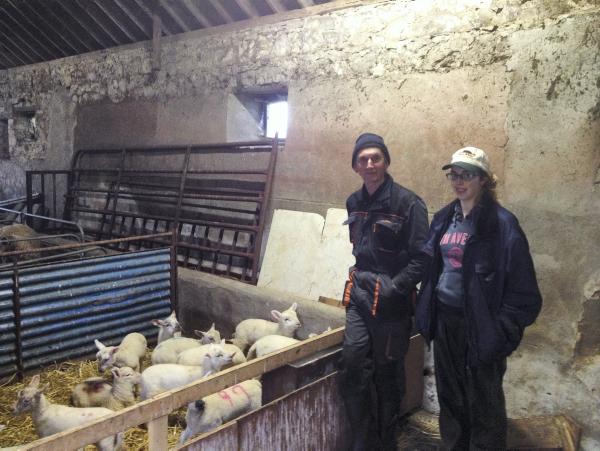
“You could also say that we practically lived with the sheep during lambing. My son, Richard, did nighttime lambing and my wife, Janice, and rest of the family were also great. American veterinary students Nicole Stamm and Emma Wallander were also a fantastic help, as were UCD students.”
Artificial rearing
The scanning rate in the flock was 55 single-bearing ewes, 170 twin-bearing ewes, 87 triplet-bearing ewes and 10 quad-bearing ewes (finished with 20 quads). As such, there was very little opportunity to cross foster lambs onto single bearing ewes.
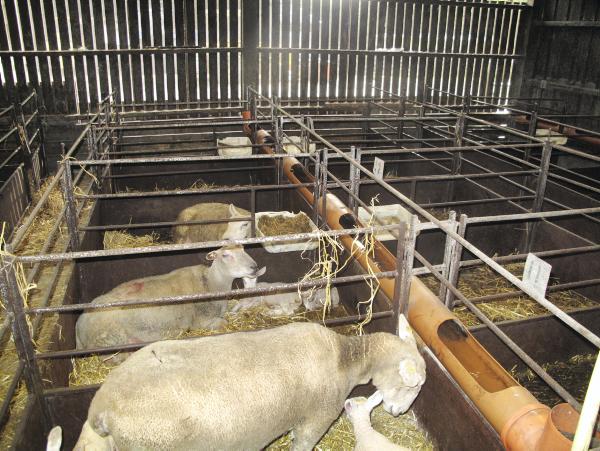
There are about 100 individual lambing pens present and this allowed multiple births extra time to get hardy and also to assess if ewes were capable of rearing three lambs before releasing outdoors.
At present, there are over 10 ewes suckling three lambs indoors and a decision will be made in the coming days on removing one lamb or releasing outdoors.
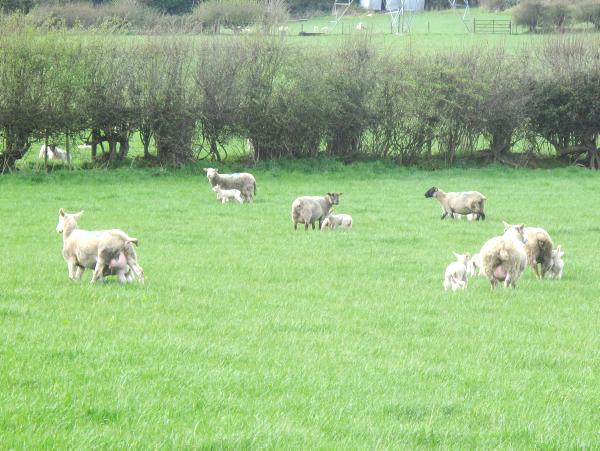
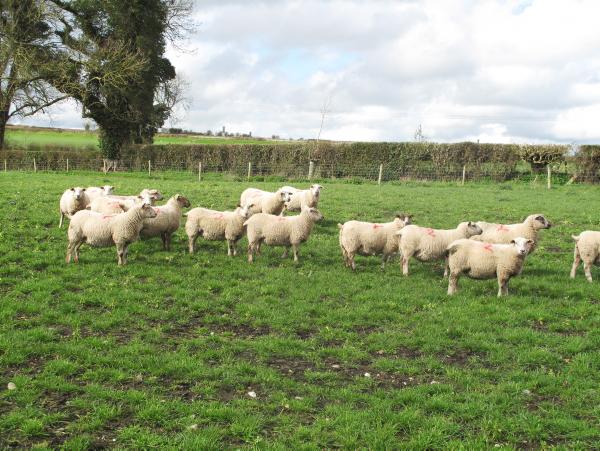
There are 26 ewes currently rearing triplet lambs outdoors. These ewes have access to good quality grass and are also being supplemented with about 1kg of concentrate twice a day.
Ken explains that this group is monitored closely for signs of one lamb starting to fall behind or any signs of ewes getting sore teats and not standing to let lambs suckle. At the first sign of lambs falling behind, they are removed and brought indoors and added to a group of lambs being reared artificially.
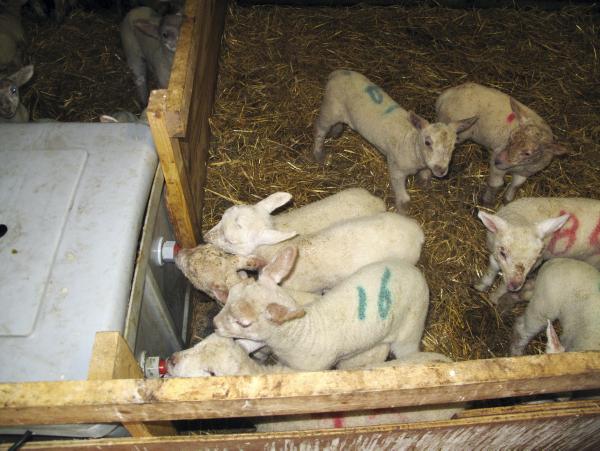
To date, there are about 40 lambs being reared artificially. Lambs have access to ad-lib milk through a simple milk feeder that keeps the milk warm.
Ken says the biggest job with pet lambs is getting them trained to drink at the feeder. This is hardest with lambs that have suckled their ewe for a couple of weeks and are then removed.
Last year’s lambs consumed on average about €40 worth of Lamlac. Lambs remain on milk for about seven to eight weeks and are then weaned onto ad-lib meals and retained indoors until slaughter.
Grass growth recovers
Grass growth has increased significantly since the end of last week with sufficient grass now available for ewes and lambs.
Large paddocks have been split with electrified, netted fencing, allowing group size to be kept relatively low. Groups will be added together in the coming weeks with about 100 ewes and their lambs grazed in a four-paddock rotational grazing system.
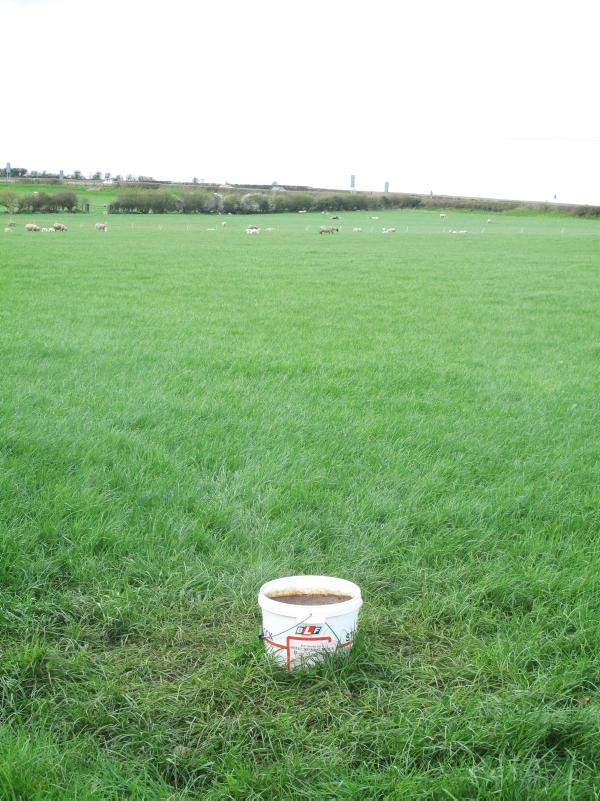
With the lift in grass growth, steps have been taken to minimise grass tetany. Lick buckets were introduced to ewes indoors to get them accustomed to buckets and to ensure adequate intake once outdoors.
Ewe lamb flock
Over the last decade, Ken’s flock has progressed down the high prolificacy route to maximise output with breeding predominately a mixture of 50% Belclare genetics and 50% Suffolk genetics. Yearling ewe hoggets are also bred to boost farm output.
The ewe lamb flock is bred separate to the mature flock as the advantages of lambing the two side by side are removed with no scope to cross foster lambs and the higher labour requirement.
Just like the mature ewe flock, the lambing percentage is high with 18 triplet-bearing ewes, 50 twin and six triplet-bearing ewe hoggets. With just five ewe lambs not in lamb, it gives a scanning rate of 1.72 lambs per ewe to the ram or 1.84 lambs per ewe in lamb.


SHARING OPTIONS